Are Fleece Blankets OK for Babies? Safety & Warmth Guide
Baby Fleece Safety Checker
Use this tool to assess the safety of using fleece for your baby. Select the relevant details below to get a personalized risk assessment.
Select options and click "Check Safety Status" to see results.
You’re standing in the aisle of a big-box store, holding a super-soft fleece blanket. It looks cozy, it’s cheap, and you think, "This will keep my newborn warm." But then a nagging thought hits: is this actually safe? You’ve heard warnings about loose bedding, suffocation risks, and overheating. So, are fleece blankets OK for babies? The short answer is yes, but with major caveats that depend entirely on your baby’s age, how you use them, and the specific type of fleece.
Here’s the reality: fleece isn’t one-size-fits-all. A thick, heavy fleece throw might be dangerous for a sleeping infant, while a thin, breathable fleece swaddle could be perfect for a chilly night. This guide breaks down exactly when fleece works, when it doesn’t, and how to avoid the most common mistakes parents make. We’ll look at breathability, fire safety, and practical usage scenarios so you can decide with confidence.
The Big Risk: Overheating vs. Suffocation
Before we talk about materials, let’s address the two biggest dangers associated with any blanket: SIDS (Sudden Infant Death Syndrome) linked to suffocation, and hyperthermia (overheating). These are distinct issues, and fleece affects them differently.
Overheating is often underestimated. Babies cannot regulate their body temperature as efficiently as adults. If they get too hot, their heart rate increases, and their breathing may become shallow, which is a risk factor for SIDS. Fleece is excellent at trapping heat. That’s its job. For an adult, that’s great. For a baby wearing a onesie under a heavy fleece blanket, it can quickly lead to sweating and discomfort.
Suffocation is different. Loose bedding in the crib is a leading cause of accidental suffocation in infants under 12 months. The American Academy of Pediatrics (AAP) recommends keeping the sleep environment bare-no pillows, no stuffed animals, and no loose blankets-for the first year. Does fleece change this rule? Not really. Whether it’s cotton, wool, or polyester fleece, if it’s loose and unsecured, it poses a risk. However, fleece’s lightweight nature means it’s less likely to restrict movement than a heavy quilted comforter, but it still covers the face easily.
Understanding Fleece: Not All Fabrics Are Equal
When people say "fleece," they usually mean polyester fleece. But there are different weights and weaves, and these matter significantly for baby safety.
- Polar Fleece: This is the standard, fluffy stuff used in outdoor jackets. It’s warm but not very breathable. Air doesn’t pass through it easily. For a sleeping baby, this can trap moisture and heat, creating a humid microclimate next to the skin.
- Microfleece: Thinner and smoother than polar fleece. It’s slightly more breathable but still primarily designed for warmth retention rather than air circulation.
- Breathable Fleece Blends: Some modern baby products mix polyester fleece with natural fibers like cotton or bamboo. These blends aim to balance warmth with airflow. This is the category you want to look for if you’re concerned about overheating.
A critical attribute to check is the GSM (grams per square meter). Lightweight fleece might be 100-150 GSM, while heavy winter fleece can be 300+ GSM. For indoor use, stick to the lower end. High GSM fleece is best reserved for stroller walks in freezing temperatures, not for naptime in a heated nursery.
| Fabric Type | Breathability | Warmth Level | Best Use Case | Risk Factor |
|---|---|---|---|---|
| Standard Polyester Fleece | Low | High | Outdoor stroller cover | Overheating indoors |
| Microfleece | Moderate | Moderate | Car seat liner (non-bulky) | Static cling, flammability |
| Cotton-Fleece Blend | High | Medium | Nursery swaddles | Minimal if weighted correctly |
| Wool-Fleece Hybrid | Very High | Variable | Year-round sleep sacks | Cost, washing care |
Age Matters: Newborns vs. Toddlers
Your baby’s developmental stage changes the safety profile of fleece blankets entirely.
Newborns (0-6 Months)
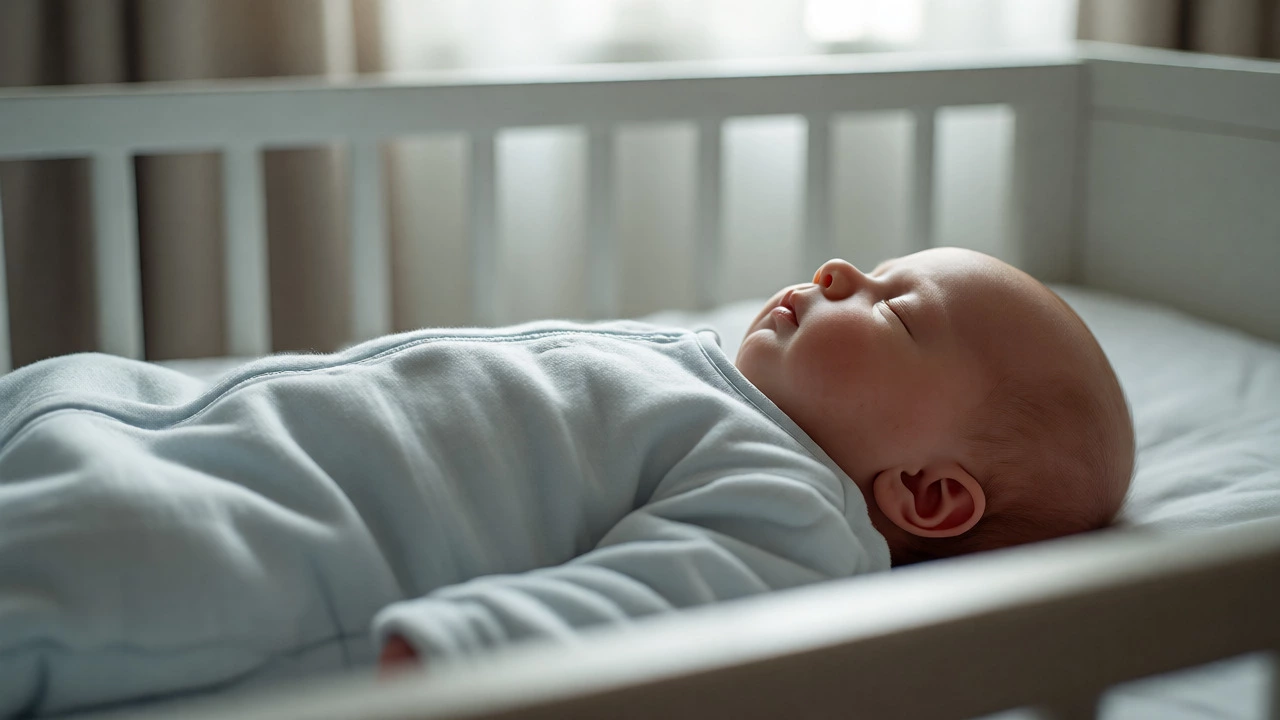
For newborns, the safest place is on their back in a bare crib. Most pediatricians advise against *any* loose blankets during this period. Instead, use wearable blankets or sleep sacks. If you must use fleece, ensure it’s part of a fitted sleep sack, not a loose throw. Why? Because newborns lack the motor skills to move a blanket off their face if they roll onto it or if it slips over their nose. Even a light fleece can block airflow if pressed against the mouth and nose.
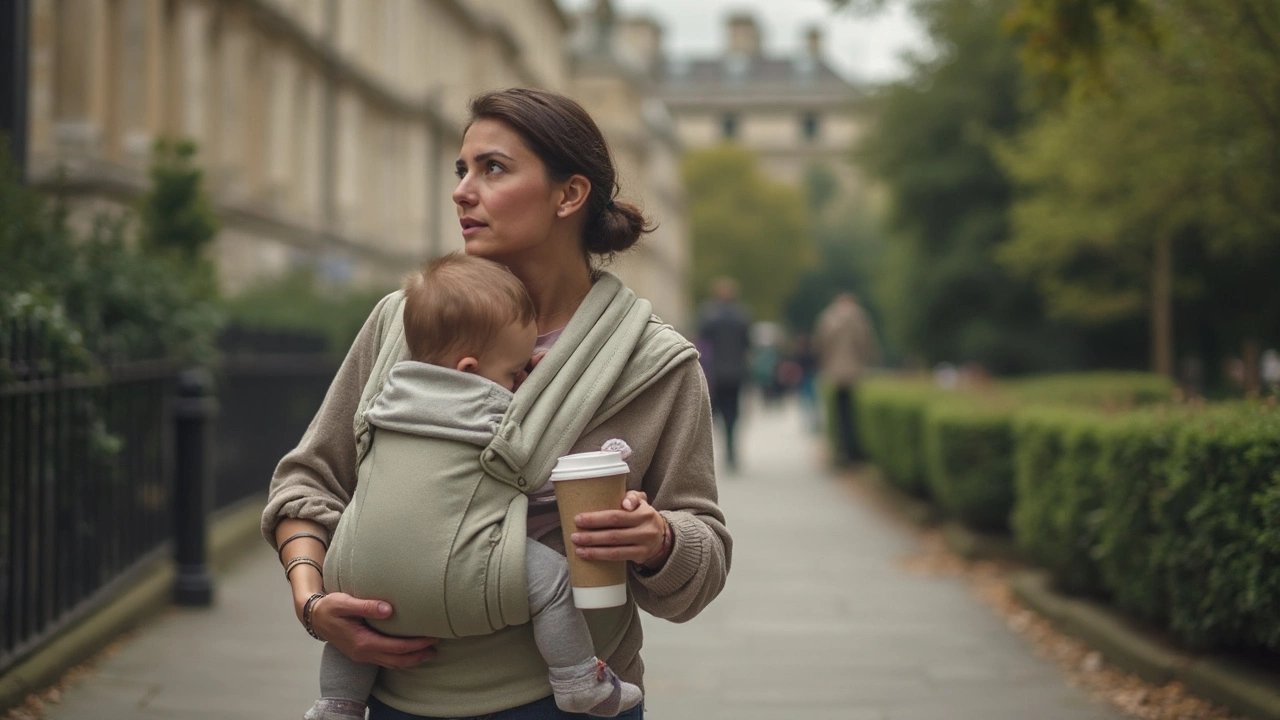
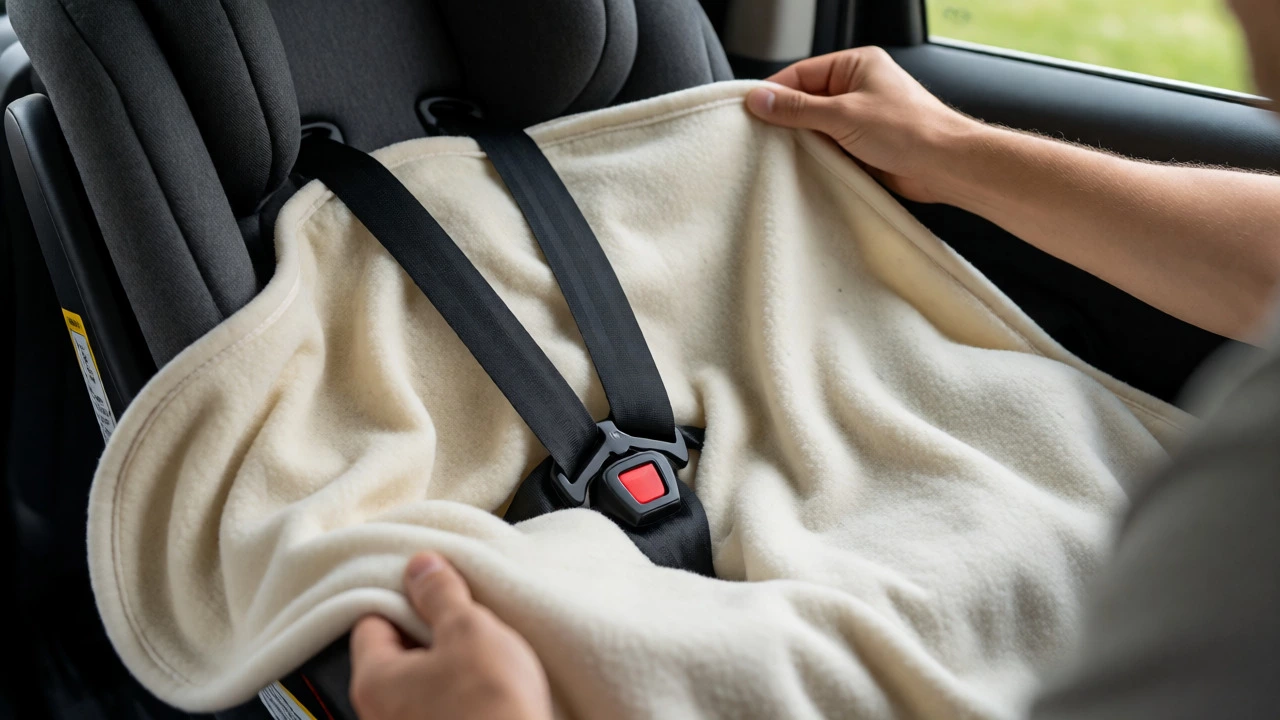
However, fleece is fantastic for car seats and strollers during this phase. Since the baby is strapped in and supervised, you can layer a thin fleece blanket over their legs. Just remember the golden rule: never put bulky layers under the harness straps. Place the fleece over the buckled straps instead. Bulky fabric compresses in a crash, leaving the harness too loose to protect the child.
Older Infants (6-12 Months)
As babies start rolling and sitting up, their ability to free themselves from minor obstructions improves. Some parents introduce small, firm fleece blankets during supervised playtime. Tummy time on a soft fleece mat is great-it cushions knees and elbows without the bulk of a rug. But for sleep, many experts still recommend sticking to sleep sacks until the child transitions to a toddler bed, usually around 18 months to 2 years.
Toddlers (12+ Months)
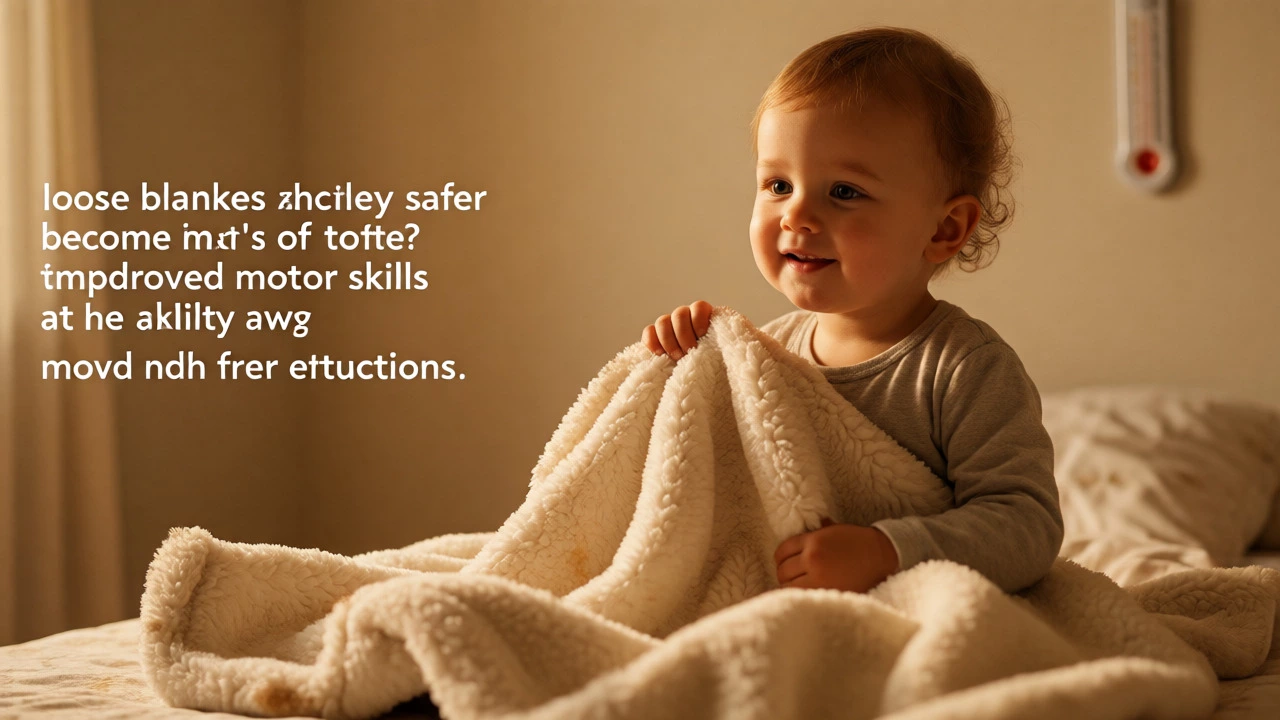
Once your child moves to a toddler bed, loose blankets are generally considered safer because they have the strength and coordination to push away objects covering their face. At this stage, fleece blankets become a popular choice for naps and bedtime. They’re easy to wash, durable, and provide consistent warmth. Just monitor for signs of overheating, such as damp hair or flushed cheeks.
Flammability: The Hidden Danger
This is a point often overlooked. Standard polyester fleece is derived from petroleum-based plastics. While it doesn’t ignite as easily as some synthetic silks, once it catches fire, it melts and drips, causing severe burns. In contrast, wool is naturally flame-resistant, and cotton charred rather than melting.
In Canada and the US, children’s sleepwear must meet strict flammability standards (like CPSC 16 CFR Part 1615/1616). However, blankets aren’t always held to the same rigorous standards as pajamas. When buying fleece for a baby, look for labels that mention "flame resistant" or choose blends with natural fibers. Avoid fleece with high static electricity, as static attracts dust and lint, which can irritate sensitive baby lungs.
Practical Tips for Using Fleece Safely
If you decide fleece is right for your family, here’s how to use it wisely.
- Check the Neckline: If using a fleece sleep sack, ensure the neckline fits snugly around the baby’s neck. If it’s too loose, the baby’s head can slip inside, leading to entrapment.
- Layer Wisely: Dress your baby in one more layer than you’d wear yourself. If the room is 70°F (21°C), a simple cotton onesie plus a light fleece sleep sack is usually enough. Add a hat only outdoors; indoors, hats can cause overheating.
- Monitor Temperature: Use a room thermometer. Ideal nursery temperature is between 68°F and 72°F (20°C-22°C). If the room is warmer, skip the fleece entirely and opt for muslin or cotton.
- Wash Frequently: Fleece holds oils and sweat. Wash it every few days to prevent skin irritation and bacterial buildup. Use fragrance-free detergent to avoid triggering eczema.
- Inspect for Wear: Check for loose threads or pilling. Small pieces of fleece can detach and become choking hazards if the baby chews on the blanket.
Alternatives to Fleece
If you’re hesitant about fleece, consider these options:
- Muslin Swaddles: Extremely breathable, thin, and versatile. Great for summer or warm climates.
- Bamboo Viscose: Naturally thermoregulating and antibacterial. It feels cool to the touch but keeps warmth when needed.
- Merino Wool: The gold standard for temperature regulation. It wicks moisture away effectively, preventing that clammy feeling. Expensive, but worth it for cold climates like Vancouver winters.
Final Verdict
So, are fleece blankets OK for babies? Yes, provided you respect the context. They are not ideal for unsupervised sleep in cribs for infants under 12 months due to suffocation and overheating risks. However, they are excellent tools for outdoor warmth, car rides, and supervised play. For older toddlers, they are a safe, comfortable, and practical bedding choice.
Always prioritize breathability over thickness. When in doubt, touch your baby’s chest or back-if it’s sweaty, remove a layer immediately. Comfort should never compromise safety.
Can I use a fleece blanket in a car seat?
Yes, but place it over the harness straps, not under them. Thick fleece under the straps can compress during a crash, making the harness too loose to protect your baby. Secure the baby first, then drape the fleece over them.
Is fleece bad for baby skin?
Fleece itself isn't inherently bad, but it can trap heat and moisture, which may worsen eczema or cause heat rash in sensitive babies. Look for fleece blends with cotton or bamboo, and wash frequently with gentle, fragrance-free detergents.
How do I know if my baby is too hot?
Touch your baby's chest or back of the neck. If it feels hot, sweaty, or damp, they are too warm. Hands and feet are poor indicators because they are naturally cooler. Remove a layer immediately if you notice sweating.
At what age can babies have loose blankets?
Most pediatricians recommend waiting until at least 12 months, but ideally 18 to 24 months, before introducing loose blankets in the crib. Before this age, use wearable blankets or sleep sacks to reduce suffocation risks.
Is fleece flammable?
Polyester fleece is made from plastic and can melt and drip if exposed to open flames, causing serious burns. It is less flammable than some synthetics but more so than wool. Keep fleece away from heaters, candles, and fireplaces.