Baby Formula Shortage Alternatives: Safe Substitutes and DIY Recipes

Baby Formula Shortage Navigator
Stuck with empty shelves? Use this tool to find the safest next step for your baby based on their age and your current situation.
Select options above and click "Check Safe Options" to see personalized advice.
Quick Reference: Why Plain Milk Isn't Enough
- Risk High protein/mineral load stresses infant kidneys.
- Deficiency Low iron and Vitamin C can cause anemia and immune issues.
- Solution Always use FDA/Health Canada approved infant formula or breast milk.
Remember the panic of empty shelves? It’s a nightmare scenario for any parent. You’re staring at a bare grocery store aisle, your baby is hungry, and you have no idea what to do next. The baby formula shortage isn’t just an inconvenience; it’s a health crisis for infants who rely on it for every single calorie. But here’s the good news: you are not helpless. Whether you’re dealing with supply chain hiccups in Vancouver or anywhere else, there are proven ways to keep your little one fed and healthy without resorting to dangerous homemade experiments.
Understand Why Standard Formula Matters
Before we talk about swaps, let’s get real about why standard formula exists. It’s not just powdered milk. It’s a scientifically engineered food designed to mimic breast milk as closely as possible. Standard infant formula contains specific ratios of protein, fat, carbohydrates, vitamins, and minerals that a baby’s immature digestive system can handle. Cow’s milk, goat’s milk, or plant-based milks lack these precise nutrients. Giving a newborn plain cow’s milk can lead to intestinal bleeding, iron deficiency anemia, and kidney stress because their kidneys can’t process the high protein and mineral load yet.
This distinction is critical. When you look for alternatives, you aren’t just looking for "milk." You are looking for a complete nutritional source. If you miss this point, you risk feeding your baby something that fills their stomach but starves their brain and body of essential development tools.
The Gold Standard: Breastfeeding Support
If you haven’t started breastfeeding, now is the time to ask if you can. If you have stopped, relactation might be possible. Breast milk is the only true biological substitute for formula. It adapts to your baby’s needs and provides antibodies that formula cannot replicate. During shortages, many parents successfully restart or increase nursing by using a supplemental nursing system (SNS). This device allows you to feed expressed breast milk or even a small amount of donor milk directly at the breast while the baby suckles, stimulating your own supply.
Don’t underestimate the power of skin-to-skin contact. It triggers oxytocin, which helps milk flow. If you are struggling, seek out an International Board Certified Lactation Consultant (IBCLC) immediately. They can assess latch issues and create a plan tailored to your situation. In Canada, many public health units offer free consultations, so check local resources in Vancouver or your region.
Safe Commercial Alternatives When Stock Runs Low
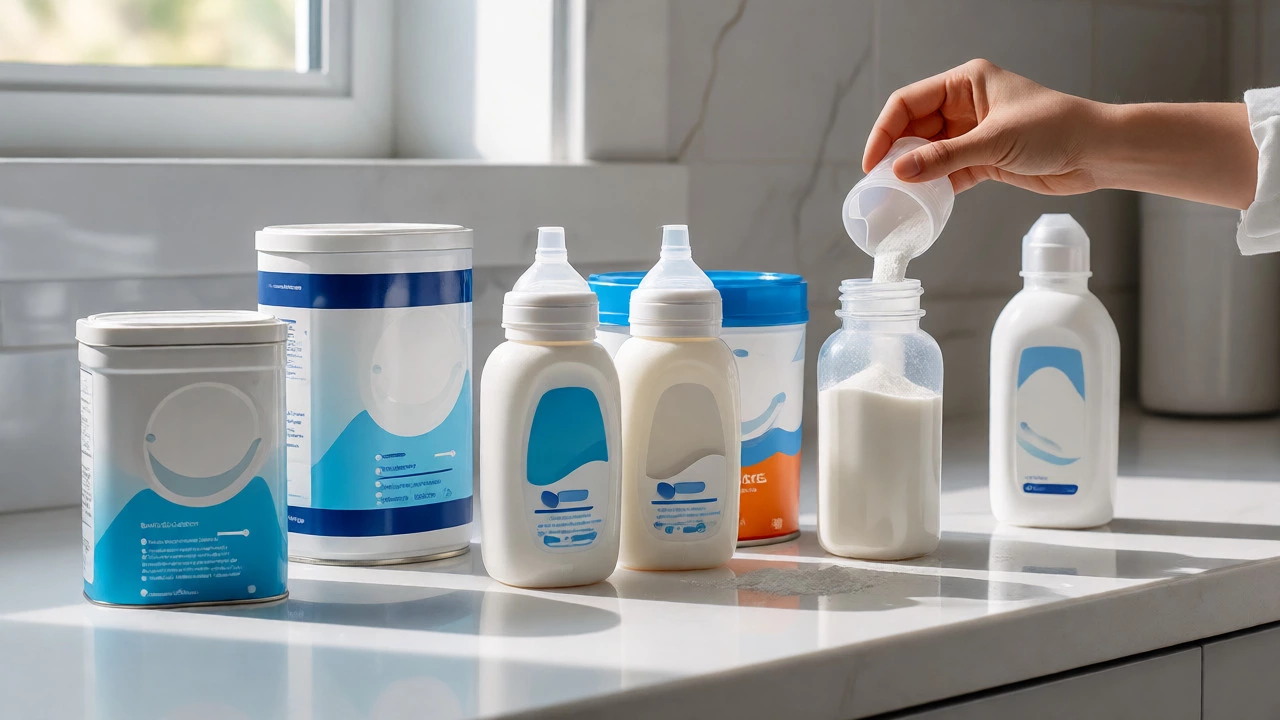
If breastfeeding isn’t an option, don’t rush to make your own formula. Instead, broaden your search for commercial products. Many parents stick to one brand, but during a shortage, flexibility is key.
- Switch Brands: All FDA-approved (or Health Canada-approved) infant formulas meet strict safety standards. Switching from Enfamil to Similac, or vice versa, is generally safe. Most babies tolerate the switch fine. Watch for minor gas changes, but don’t expect major issues.
- Consider Store Brands: Generic store-brand formulas often contain the same ingredients as name brands but cost less and may have different supply chains. Kirkland Signature (Costco) and Great Value (Walmart) are popular options that frequently remain available when premium brands vanish.
- Look Beyond Major Retailers: Check local pharmacies, independent grocery stores, and online retailers like Amazon. Sometimes, smaller distributors have stock when big-box stores are dry.
A quick tip: rotate your shopping locations. Don’t hit three different supermarkets on the same day. Hit one early in the morning, another at noon, and a third in the evening. Restocking schedules vary, and persistence pays off.

The Risks of Homemade Baby Formula
You’ve probably seen recipes online for "homemade formula." They usually involve cow’s milk, water, oil, and sugar. While these can work in a true emergency for a few days, they carry significant risks. First, hygiene is hard to guarantee at home. Contaminated equipment can introduce bacteria. Second, nutrient balance is tricky. Too much calcium can block iron absorption; too little vitamin C affects immunity.
| Option | Nutritional Completeness | Safety Risk | Best For |
|---|---|---|---|
| Commercial Formula | High (Regulated) | Low | Long-term use, standard care |
| Breast Milk | High (Natural) | Lowest | All stages, especially newborns |
| Homemade Recipe | Variable (User-dependent) | Moderate-High | Short-term emergency only |
| Cow's Milk (Undiluted) | Low (Missing nutrients) | High | Toddlers (1 year+), not infants |
If you must use a homemade recipe, follow guidelines from reputable sources like the CDC or Canadian Paediatric Society. Do not improvise. Use whole cow’s milk pasteurized properly, add water to dilute protein levels, and include corn syrup or cane sugar for energy. Add multivitamin drops if recommended by your pediatrician. Never use honey for babies under one year due to botulism risk.
When to Introduce Solid Foods Early
For babies over four months old, you might be able to bridge the gap with solid foods. Pediatricians sometimes approve starting solids slightly earlier than the traditional six-month mark during formula crises. Focus on iron-rich foods since formula is fortified with iron. Pureed meats, lentils, and iron-fortified cereals are excellent choices.
However, solids do not replace the calories and hydration provided by milk. A baby still needs liquid nutrition. Think of solids as a supplement, not a replacement. If your baby is younger than four months, stick to milk-based nutrition. Their digestive systems simply aren’t ready for heavy loads of starches and proteins.
Navigating Supply Chain Hiccups in Canada
In Canada, regulations ensure formula quality, but import delays happen. Keep an eye on announcements from the Canadian Food Inspection Agency (CFIA). Sometimes, temporary imports from Europe or Asia are approved. These products are safe but may taste different. Your baby might reject them initially. Try mixing a small amount of the new formula with their usual brand to ease the transition.
Also, consider contacting your provincial health authority. Some regions provide emergency formula vouchers or direct access to stocked clinics. In British Columbia, for example, community health centers often have limited supplies for vulnerable families. Don’t hesitate to call ahead.
Practical Tips for Managing Scarcity
Preparation reduces panic. Here’s how to stay ahead:
- Buy Small Quantities Frequently: Don’t hoard huge tubs. Buy two cans whenever you see them. Hoarding fuels shortages for others.
- Use Prepared Liquid Formula: Ready-to-feed bottles are more expensive but take up less storage space and require no mixing. They are great backups.
- Check Expiration Dates: Rotate your stock. Use older cans first.
- Track Consumption: Know exactly how many ounces your baby drinks daily. This helps you calculate how long your current supply will last.
Communication is vital. Talk to your pharmacist. They often know which brands are coming in next week. Build a relationship with them. They want to help you just as much as you want to help your baby.
Can I give my baby cow’s milk instead of formula?
Generally, no. Whole cow’s milk lacks sufficient iron and vitamin C for infants and has too much protein and sodium for their kidneys. It is only suitable for children over 12 months. For babies under one year, stick to breast milk or commercial infant formula.
Is homemade baby formula safe?
It can be safe for short-term emergencies if prepared correctly following medical guidelines. However, it carries risks of contamination and nutrient imbalance. Always consult your pediatrician before using homemade formula, and never use it for premature infants or those with special dietary needs.
How do I switch formula brands safely?
Most babies switch easily. To minimize tummy upset, mix half old formula and half new formula for a few days, gradually increasing the new ratio. Watch for signs of intolerance like excessive gas, vomiting, or rash, but mild changes are normal.
What if I can’t find any formula?
Contact your pediatrician immediately. They may prescribe specialized formulas available through pharmacies or suggest temporary introduction of solids if age-appropriate. Community health organizations and food banks also sometimes have emergency formula stocks.
Are goat milk formulas a good alternative?
Goat milk-based infant formulas are commercially available and regulated. They are a valid alternative to cow’s milk formulas for many babies, though not all. Ensure it is specifically labeled as "infant formula," not just goat milk beverage. Consult your doctor before switching.