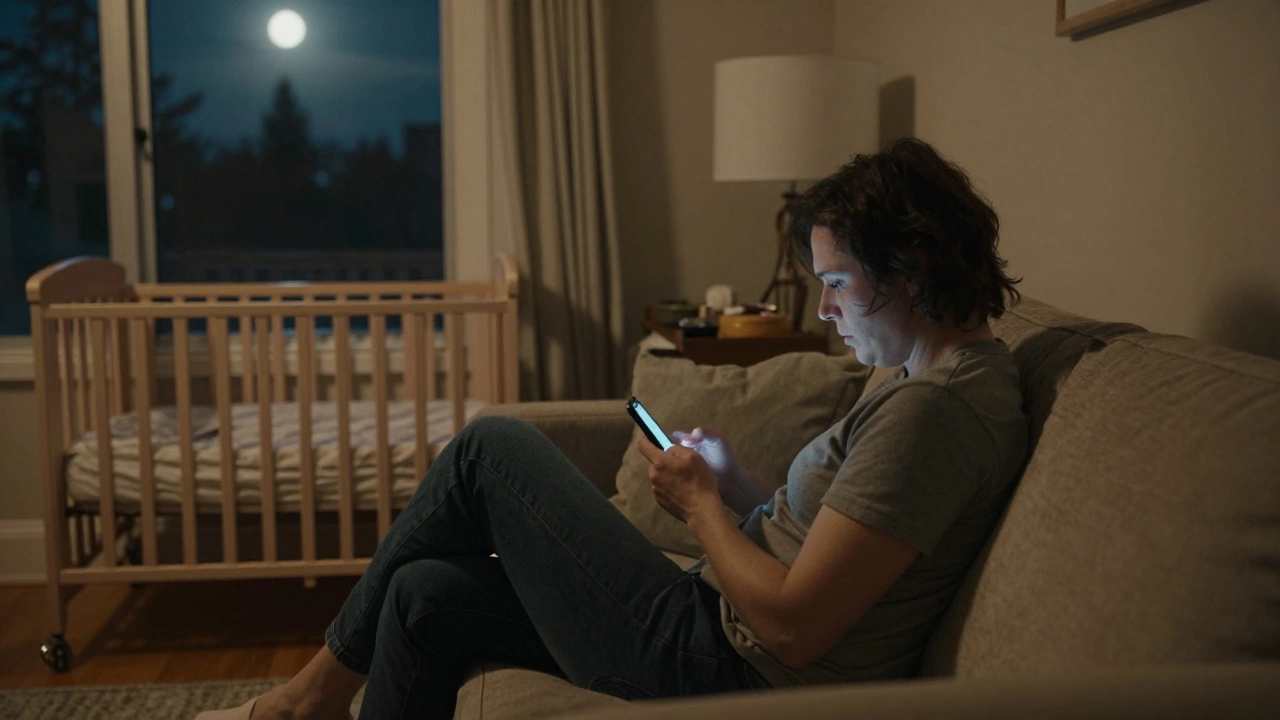
Do Baby Monitors Reduce SIDS? What the Evidence Really Says
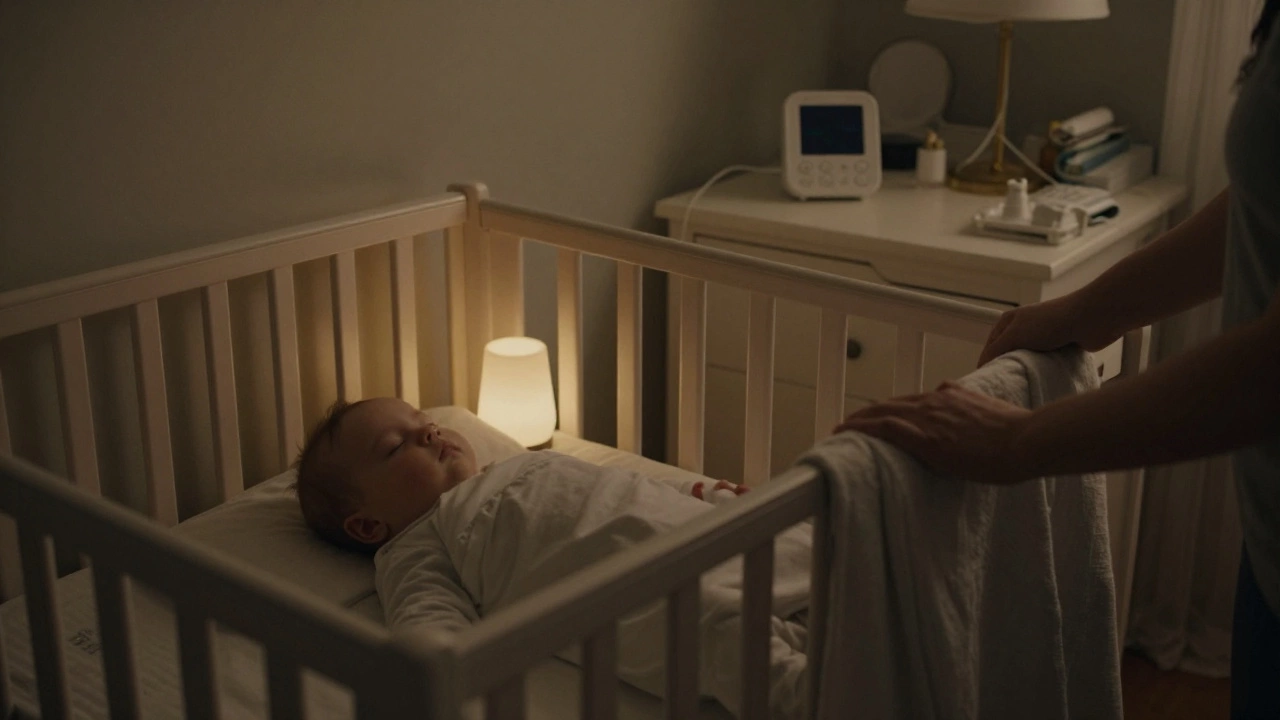
Parents often buy baby monitors hoping to prevent SIDS-the sudden, unexplained death of a healthy infant during sleep. But does watching your baby on a screen or listening through a speaker actually lower the risk? The short answer: no. Baby monitors do not reduce SIDS. They can give you peace of mind, but they don’t stop it from happening.
What Is SIDS, Really?
SIDS, or Sudden Infant Death Syndrome, is the leading cause of death for babies between one month and one year old in the U.S. and Canada. It’s not a disease. It’s not caused by vaccines, poor parenting, or neglect. No one knows exactly what triggers it, but researchers believe it happens when a baby’s brain doesn’t wake them up when they’re struggling to breathe during sleep.
Most SIDS cases happen between 2 and 4 months of age, and over 90% occur before 6 months. The risk drops sharply after the baby turns one. There’s no way to predict which baby will be affected. That’s why it feels so terrifying-and why so many parents turn to technology hoping for a safety net.
Why Baby Monitors Don’t Prevent SIDS
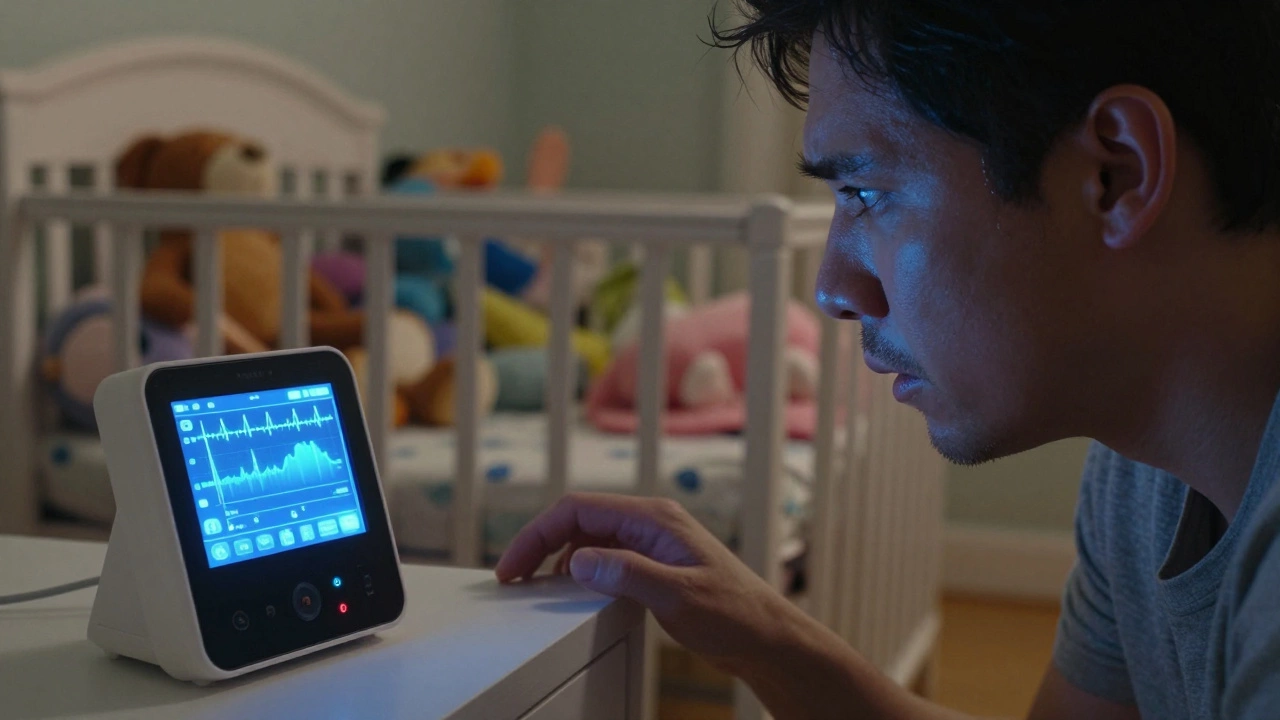
Baby monitors-whether audio, video, or smart devices with heart rate and breathing sensors-only observe. They don’t intervene. If a baby stops breathing, the monitor might alert you, but it won’t restart their breathing. By the time you hear the alarm, run into the room, and react, it may already be too late.
A 2017 study published in Pediatrics followed over 1,000 healthy infants using home cardiorespiratory monitors. The researchers found no difference in SIDS rates between babies who used monitors and those who didn’t. The monitors picked up false alarms constantly-babies moving, coughing, or even just shifting position. Parents ended up more anxious, not safer.
Smart monitors that claim to track breathing or oxygen levels are especially misleading. These devices are not medical equipment. They’re consumer gadgets. They’re not regulated like hospital-grade monitors. A 2022 FDA warning specifically cautioned parents against relying on these products to prevent SIDS. They can give false reassurance, which is more dangerous than no monitor at all.
What Actually Reduces SIDS Risk
If monitors don’t work, what does? Decades of research have identified clear, proven strategies that cut SIDS risk by up to 70%:
- Place your baby on their back to sleep-every time, for naps and nighttime. This is the single most effective step.
- Use a firm, flat sleep surface-a crib or bassinet with a tight-fitting sheet. No pillows, blankets, bumpers, or stuffed animals.
- Room-share, don’t bed-share-have your baby sleep in the same room as you, but in their own sleep space. Studies show this reduces SIDS risk by up to 50%.
- Avoid smoke exposure-both during pregnancy and after birth. Babies exposed to cigarette smoke have a 2-3 times higher risk of SIDS.
- Offer a pacifier at nap and bedtime-even if it falls out later. The sucking motion may help keep airways open.
- Don’t overheat your baby-dress them in one layer more than you’d wear. Sweating or flushed skin means they’re too warm.
These are the actions backed by the American Academy of Pediatrics, Health Canada, and the CDC. They’re free, simple, and proven. No device needed.
When Might a Baby Monitor Be Useful?
Even though monitors don’t prevent SIDS, they can still be helpful for other reasons. If your baby was born prematurely, has a heart condition, or needs extra monitoring due to a medical issue, your pediatrician might recommend one. In those cases, it’s part of a medical care plan-not a SIDS prevention tool.
For healthy babies, monitors can help you hear a cry without rushing in every time they stir. They can help you catch a fever early if your baby is unwell. Some parents use video monitors to check if their baby is breathing normally before falling asleep themselves.
But here’s the catch: using a monitor doesn’t replace safe sleep practices. You still need to put your baby on their back. You still need a bare crib. You still need to avoid co-sleeping. The monitor is a tool for peace of mind, not a shield against danger.
The Danger of False Security
The biggest risk isn’t not having a monitor-it’s believing one will protect your baby. Many parents who buy expensive smart monitors feel they’ve done everything they can. They might skip the pacifier, let their baby sleep on their side, or add a fluffy blanket because “the monitor will catch anything.”
This is called the “illusion of control.” It’s a psychological trap. We feel safer when we’re doing something, even if that something doesn’t actually work. That’s why marketing for baby monitors is so powerful. Ads show smiling parents watching their baby breathe gently on a screen. They imply safety. They imply control. But science says otherwise.
One mother in Vancouver told me her baby monitor beeped at 3 a.m. She rushed in to find her 3-month-old face-down on a pillow she’d forgotten to remove. The monitor didn’t stop it. She did. But she only found out because she was already anxious and checking every hour. That’s the real value: it made her vigilant. But vigilance shouldn’t depend on a machine.
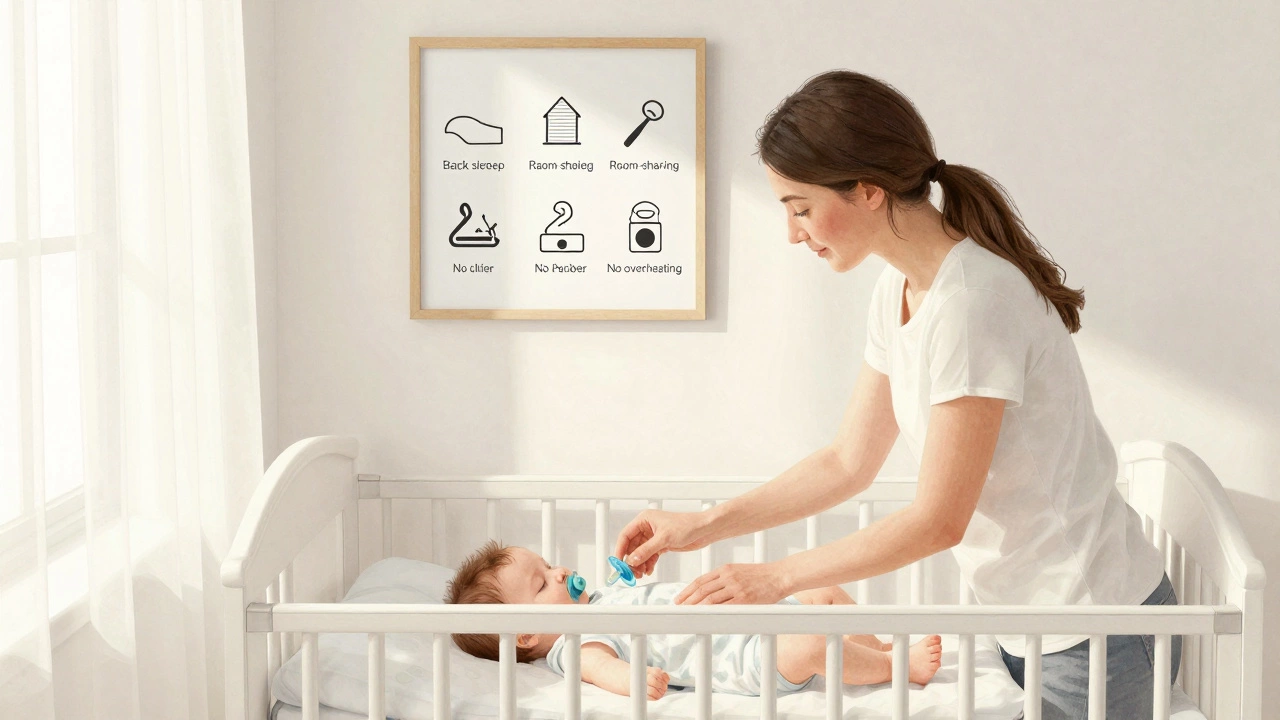
What to Do Instead
If you’re worried about SIDS, focus on what actually works:
- Always put your baby on their back.
- Keep the crib empty-no blankets, toys, or bumpers.
- Share the room, not the bed.
- Avoid smoking and secondhand smoke.
- Use a pacifier during sleep.
- Don’t let your baby get too hot.
These steps are free. They’re simple. And they’re backed by decades of data. If you want to use a monitor, fine-but don’t let it make you feel like you’ve done enough. You’ve only done the easy part. The real protection comes from the habits you build every night.
Final Thoughts
Baby monitors are not lifesavers. They’re comfort tools. They don’t stop SIDS. Safe sleep practices do. If you’re using a monitor, great-but make sure you’re also doing everything else right. Don’t confuse technology with protection. Your baby doesn’t need a smart device to survive. They need you to follow the basics, every single time.
Can baby monitors detect SIDS before it happens?
No. Baby monitors cannot detect or predict SIDS. They can alert you if your baby stops moving or if their heart rate drops, but SIDS often occurs without any warning signs. Even if a monitor sounds an alarm, it cannot restart breathing or prevent the event. SIDS happens when a baby’s brain fails to respond to a breathing problem during sleep-and no monitor can fix that.
Are smart baby monitors with breathing sensors safe to use?
The FDA and pediatric experts advise against relying on smart monitors with breathing or heart rate sensors for SIDS prevention. These devices are not medical-grade and often give false alarms. A healthy baby’s movement during sleep can trigger alerts, leading to unnecessary stress. Worse, they can create a false sense of security, causing parents to skip proven safety steps like back sleeping and a bare crib.
Do I need a baby monitor if my baby sleeps in the same room?
Not necessarily. The American Academy of Pediatrics recommends room-sharing without bed-sharing as one of the best ways to reduce SIDS risk. If you can hear your baby cry or stir without a monitor, you don’t need one. Many parents find monitors helpful for nighttime rest, but they’re not required for safety. Focus on the proven practices-back sleeping, no loose bedding, no smoke-before investing in technology.
Can co-sleeping with a baby monitor make SIDS less likely?
No. Co-sleeping (sharing a bed with your baby) increases SIDS risk, even with a monitor. The monitor doesn’t prevent suffocation, entrapment, or overheating-the real dangers of bed-sharing. Room-sharing, where your baby sleeps in their own crib or bassinet next to your bed, is the safe alternative. It reduces SIDS risk by half and lets you respond quickly without the risks of sharing a bed.
What’s the best baby monitor for a premature baby?
For premature babies or those with medical conditions, consult your pediatrician. They may recommend a hospital-grade cardiorespiratory monitor, not a consumer smart monitor. These devices are clinically validated and used under medical supervision. Never use a retail baby monitor as a substitute for medical equipment. Even then, monitors are for observation-not prevention.