Baby Gates: Safety, Types, and What Parents Need to Know
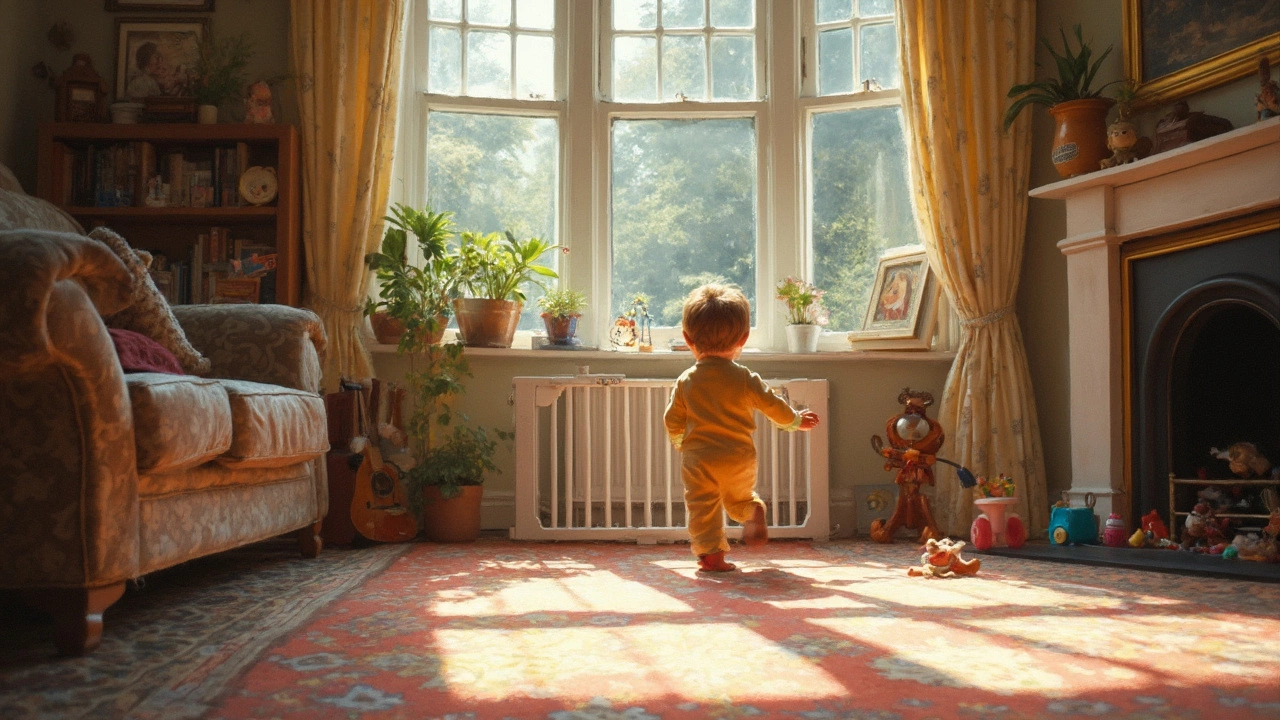
When your baby starts crawling or pulling up, baby gates, physical barriers used to block off unsafe areas in the home. Also known as stair gates, they are one of the most essential tools in baby proofing—a set of actions parents take to reduce risks in the home. Baby gates aren’t just for stairs. They keep curious toddlers away from kitchens, fireplaces, bathrooms, and even doorways leading to other rooms. A well-placed gate can mean the difference between a safe exploration and a serious accident.
Not all baby gates are the same. There are pressure-mounted gates for doorways, hardware-mounted gates for stairs, and expandable models for wider openings. The nursery safety standards set by the ASTM and CPSC require gates to have no gaps larger than 2.375 inches, no sharp edges, and to stay closed unless intentionally opened. If you’re using a gate on stairs, hardware-mounted is the only safe choice—pressure-mounted ones can pop out under pressure. And don’t forget: gates should swing away from stairs, not toward them. That’s a detail many parents miss until it’s too late.
Many parents think baby gates are only needed until their child turns one. But most kids figure out how to climb or open them by age two. That’s why you’ll often see gates still in place at 2.5 or even 3 years old. The real signal to remove them isn’t age—it’s whether your child can safely navigate stairs or open the gate on their own. Some gates come with one-hand release features, auto-close mechanisms, or even smart locks that alert you if they’re left open. These aren’t gimmicks—they’re practical upgrades that match how kids actually behave.
What you won’t find in most baby gate guides? The quiet truth that placement matters more than brand. A gate that blocks the kitchen doorway might be more critical than the one at the top of the stairs if your child is drawn to hot stoves or sharp knives. And while gates help, they’re not a substitute for supervision. They’re part of a system—along with cabinet locks, outlet covers, and anchored furniture—that keeps your home safe. The best baby gates don’t just stop movement—they buy you time to watch, respond, and teach.
Below, you’ll find real advice from parents and experts on how to choose, install, and use baby gates safely. From budget-friendly options to top-rated models, and even what to avoid—this collection cuts through the noise so you can focus on what matters: keeping your child safe without losing your mind.