Do Smart Baby Monitors Prevent SIDS? Evidence-Based Guide for Parents (2025)
Do smart baby monitors prevent SIDS? Clear, evidence-backed answer, what they can and can’t do, safe sleep steps that cut risk, and when a monitor actually helps.
When you use a baby monitor, a device that lets you hear or see your baby from another room. Also known as infant monitor, it’s meant to give you peace of mind—but it can also open doors you didn’t know existed. Many parents think a baby monitor is just a simple audio or video tool, but modern models connect to Wi-Fi, stream to your phone, and store data in the cloud. That’s where the real risks start.
Baby monitor privacy, the protection of your baby’s audio and video feed from unauthorized access is a growing concern. Hackers have broken into unsecured monitors, sometimes speaking to babies through the device. Even if you don’t think you’re a target, weak passwords, outdated firmware, and default settings make it easier than you’d think. And it’s not just about strangers—unintentional leaks happen when family members share login details or leave the app open on a public device. Then there’s baby monitor security, the technical measures that keep your feed encrypted and your network protected. Not all monitors are built the same. Some use unencrypted signals, others rely on old Bluetooth standards, and a few even transmit data in plain text. You don’t need a tech degree to fix this, but you do need to know what to look for.
Using a baby monitor phone, a smartphone app that streams your baby’s room remotely sounds convenient, but it adds layers of risk. Your phone’s location, app permissions, and cloud backups can all become entry points. If your monitor app asks for access to your contacts, camera, or microphone, that’s a red flag. Even if you turn off notifications, the app might still be listening. And when you upgrade your phone or delete the app, does the data vanish? Often, it doesn’t. Manufacturers keep logs. Third parties track usage. You’re not just watching your baby—you’re feeding data to companies you’ve never heard of.
Wireless interference is another quiet danger. Older analog monitors can pick up signals from neighbors, radios, or even baby monitors in apartment buildings. Digital models are better, but they’re not foolproof. A weak signal might cause lag, freezing, or sudden dropouts—exactly when you need the feed most. And if you’re using a camera with night vision, the infrared light can sometimes disturb your baby’s sleep without you realizing it.
There’s a reason pediatricians and cybersecurity experts are talking about this now. It’s not about scaring you—it’s about giving you control. You can still use a baby monitor safely. You just need to know how. The posts below cover everything from how to check if your monitor is secure, to which brands have real privacy protections, to what settings you should change the second you unbox it. You’ll find guides on avoiding Wi-Fi pitfalls, choosing non-streaming alternatives, and even how to set up a wired monitor if you want zero digital risk. These aren’t theoretical tips. They’re real fixes parents have used to sleep better, worry less, and protect their families.
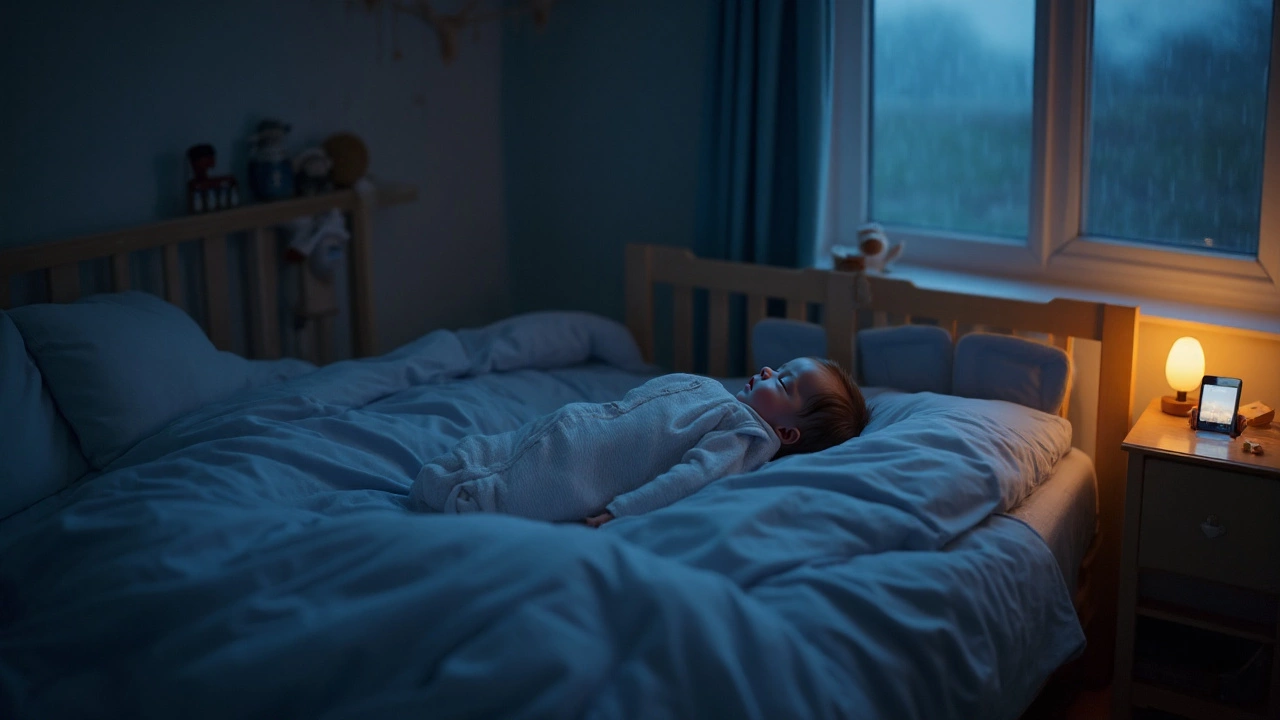
Do smart baby monitors prevent SIDS? Clear, evidence-backed answer, what they can and can’t do, safe sleep steps that cut risk, and when a monitor actually helps.