Baby Onesies: What Parents Need to Know About Fit, Fabric, and Function
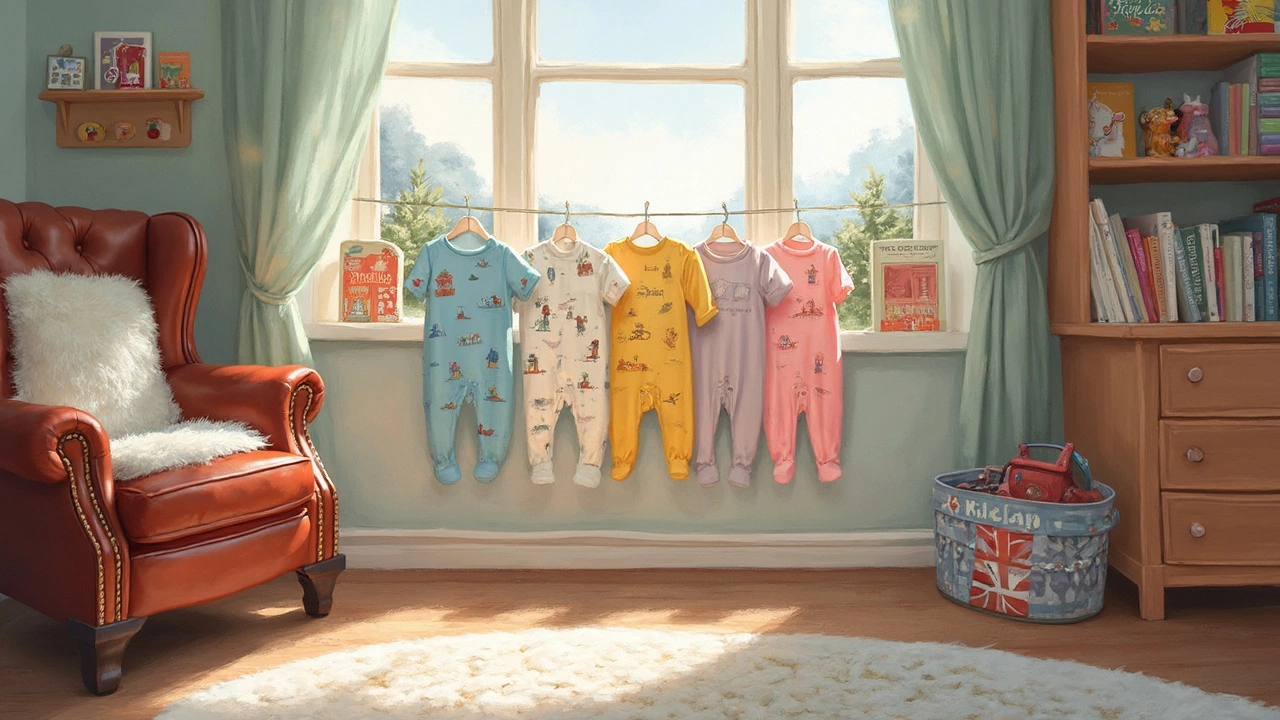
When it comes to dressing your newborn, baby onesies, a one-piece garment with snap closures at the crotch, designed for easy diaper changes and all-day comfort. Also known as bodysuits, they’re the foundation of most infant wardrobes—not because they’re trendy, but because they actually work. No other piece of baby clothing combines simplicity, practicality, and safety the way a well-made onesie does.
What makes a good onesie? It’s not just the brand or the cute print. The fabric, the material used in infant clothing, which directly affects comfort, breathability, and skin sensitivity matters most. Cotton is still the gold standard—soft, breathable, and gentle on delicate skin. Organic cotton is even better if you’re avoiding pesticides and dyes. Avoid synthetic blends unless they’re labeled as moisture-wicking and hypoallergenic. A onesie that traps heat or irritates skin defeats the whole purpose. And don’t overlook the snap closures, the metal or plastic fasteners at the bottom of baby onesies that allow for quick diaper changes without pulling fabric over the baby’s head. They need to be sturdy, smooth, and easy to fasten with one hand—because you’ll be doing it at 3 a.m. with a squirming baby.
Size is another big one. Many parents buy onesies based on weight labels, but babies grow fast and unevenly. A 0-3 month onesie might fit a 9-pound baby perfectly one week and feel tight the next. Look for adjustable features like fold-over cuffs and stretchy necklines. Also, check the length—some onesies are too short in the torso, bunching up and exposing the baby’s belly. And while it’s tempting to go for the super-soft, fluffy ones with extra embroidery, skip those. They’re harder to wash, trap lint, and can be a choking hazard if threads come loose.
It’s not just about what the onesie is made of—it’s about how it fits into daily life. You’ll use them for naps, car rides, diaper changes, and even as a base layer under outfits. That’s why most parents own at least 8–10. They’re the Swiss Army knife of baby clothes. And while some parents think onesies are only for newborns, they’re still useful well into toddlerhood. Many 2-year-olds still wear them under pants or overalls for warmth and ease.
What you won’t find in this collection are fancy fashion tips or influencer trends. Instead, you’ll see real advice from parents who’ve been there: which onesies hold up after 50 washes, what sizes actually fit the average baby at 4 months, and why some brands disappear after a few months. You’ll also find guides on matching onesies with safe sleep practices, choosing the right ones for sensitive skin, and how to spot cheap imitations that fall apart too soon. Whether you’re stocking up before the baby arrives or just trying to figure out why your 6-month-old keeps ripping through clothes, this list has something that clicks.