When to Add a Blanket to a Crib: Safe Sleep Tips for Babies
Wondering when it's safe to add a blanket to your baby's crib? Get clear answers, expert tips, and practical advice to keep your little one comfortable and secure.
When it comes to baby sleep guidelines, a set of evidence-based practices designed to reduce the risk of sudden infant death syndrome and promote healthy sleep for infants. Also known as infant sleep safety standards, these rules aren’t suggestions—they’re backed by decades of research from pediatric groups like the American Academy of Pediatrics. Following them isn’t about perfection; it’s about making smart, simple choices that keep your baby safe while helping you get some rest too.
One of the most important parts of these guidelines is room sharing, the practice of having your baby sleep in the same room as you, but in their own crib or bassinet, for at least the first year. Studies show this cuts SIDS risk by up to 50%. It’s not about co-sleeping in the same bed—that’s risky—but having your baby nearby lets you respond quickly, check on them easily, and stay attuned to their breathing. This setup works whether you’re in a tiny apartment or a big house. The key? No blankets, pillows, or soft toys in the crib. Just a firm mattress with a fitted sheet. And don’t forget SIDS prevention, a collection of actions that target the leading causes of unexpected infant death, including unsafe bedding, overheating, and stomach sleeping. Always put your baby on their back, even for naps. Keep the room cool, not warm. Avoid swaddling once they start rolling. These aren’t old wives’ tales—they’re the same advice hospitals give before you leave with your newborn.
Many parents wonder if they need a fancy nursery or expensive monitors. The truth? You don’t. What matters is the basics: a safe sleep space, consistent routines, and knowing what to avoid. That means no loose bedding, no bumper pads, no sleep positioners, and no hanging toys that could snag. Even something as simple as a pacifier at naptime can help reduce risk. And if you’re using a secondhand crib, check if it meets current safety standards—old cribs with drop sides or slats too far apart are dangerous. Your baby doesn’t need a themed room with matching curtains. They need a quiet, clutter-free zone where they can breathe easily and sleep without hazards.
These guidelines apply whether your baby is three weeks old or six months. The rules don’t change much as they grow—just the details. Once they start rolling, you stop swaddling. When they hit one year, room sharing becomes optional, not required. But until then, sticking to these steps gives you the best shot at a safe, peaceful night. Below, you’ll find real advice from parents and pediatricians on what actually works: how to set up a nursery that’s both safe and simple, what to do when your baby won’t sleep, and how to spot hidden dangers you might not even know about.
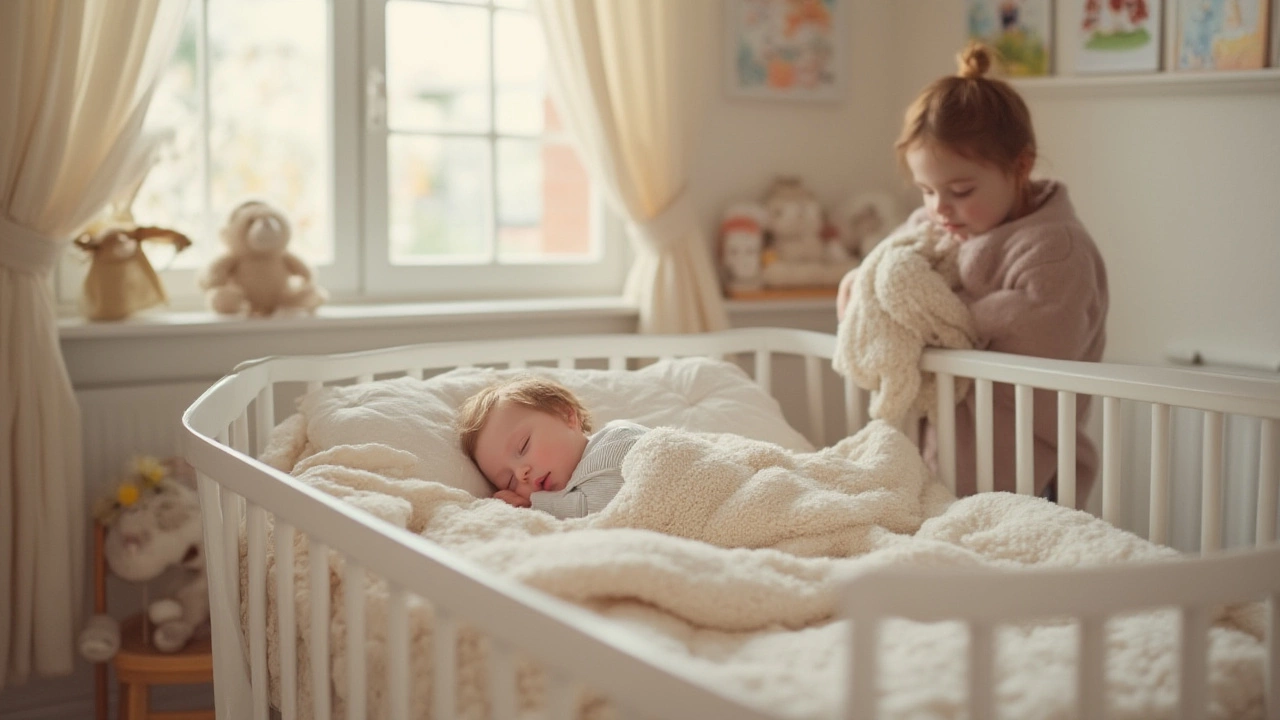
Wondering when it's safe to add a blanket to your baby's crib? Get clear answers, expert tips, and practical advice to keep your little one comfortable and secure.