Baby Sling: Safe, Comfortable Carrying for New Parents
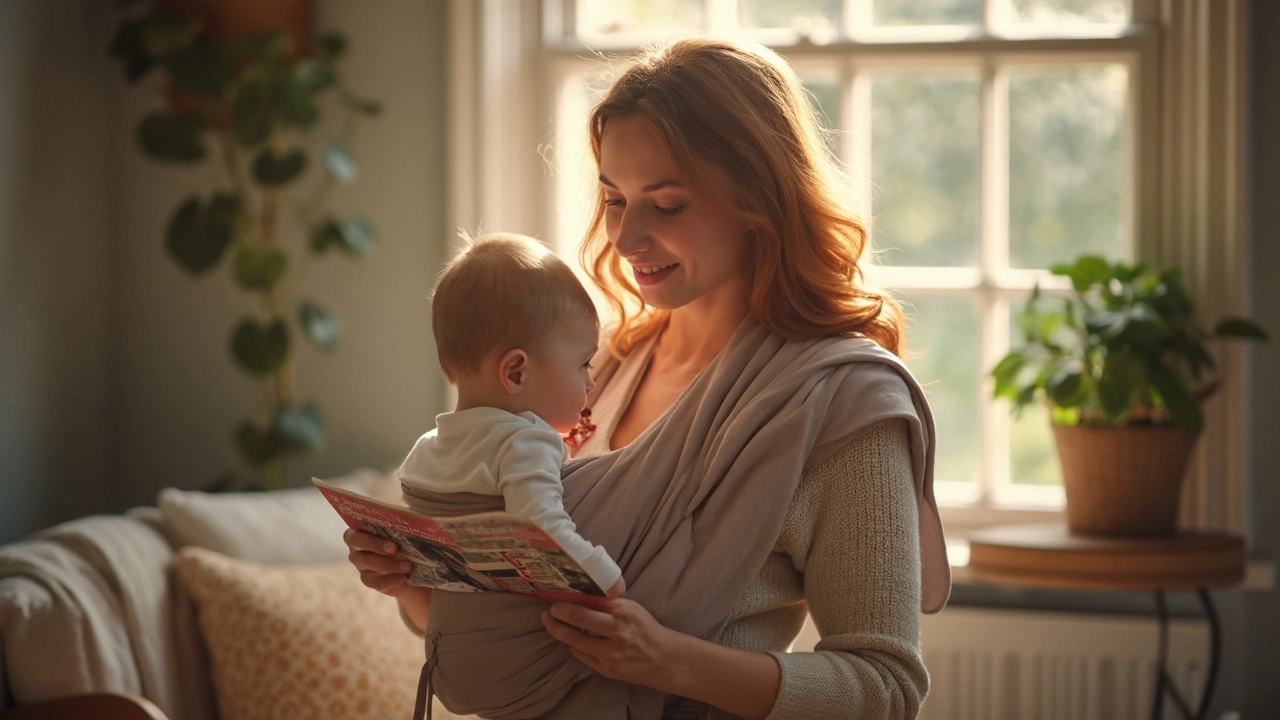
A baby sling, a fabric carrier designed to hold infants close to the parent’s body for hands-free carrying. Also known as a woven wrap or ring sling, it’s a simple tool that helps parents bond with their baby while staying mobile. Unlike bulky strollers or rigid carriers, a baby sling lets you keep your little one snug against your chest, mimicking the warmth and motion of the womb. This isn’t just about convenience—it’s about comfort, security, and even helping babies sleep better.
When used correctly, a baby sling supports healthy infant spine development by keeping the baby in a natural, curved position—hips wide, knees higher than the bottom, head supported. Pediatricians agree: the right sling doesn’t harm posture; it encourages it. But the wrong one? It can put pressure on the neck or restrict breathing. That’s why choosing the right design matters. Look for slings that keep your baby’s face visible, airway clear, and body aligned—no slumping, no chin-to-chest. And don’t forget: babies under four months need extra head support. A good sling holds them like a hug, not a hang.
Baby slings also connect to bigger ideas in parenting. They’re part of a shift toward skin-to-skin contact, a practice backed by research for reducing crying, improving feeding, and stabilizing heart rate. Many parents who use slings also prefer natural materials—cotton, linen, bamboo—over synthetic fabrics, because they breathe better and feel gentler on delicate skin. This ties into the same thinking behind choosing microplastic-free baby bottles or avoiding plastic toys: small choices add up to healthier, calmer routines.
You’ll find plenty of real-world advice in the posts below. Some parents share how they switched from strollers to slings after their baby hated being strapped in. Others warn about common mistakes—like wearing the sling too loose or using it while cooking. There are guides on how to tie a wrap correctly, how to tell if your baby is breathing well, and which slings work best for newborns versus toddlers. You’ll also see how slings fit into safe sleep practices, baby monitoring, and even budget-friendly parenting. This isn’t about trends. It’s about finding what works for you and your child—simple, practical, and rooted in real experience.