British Baby Furniture: Safe, Smart, and Stylish Choices for UK Parents
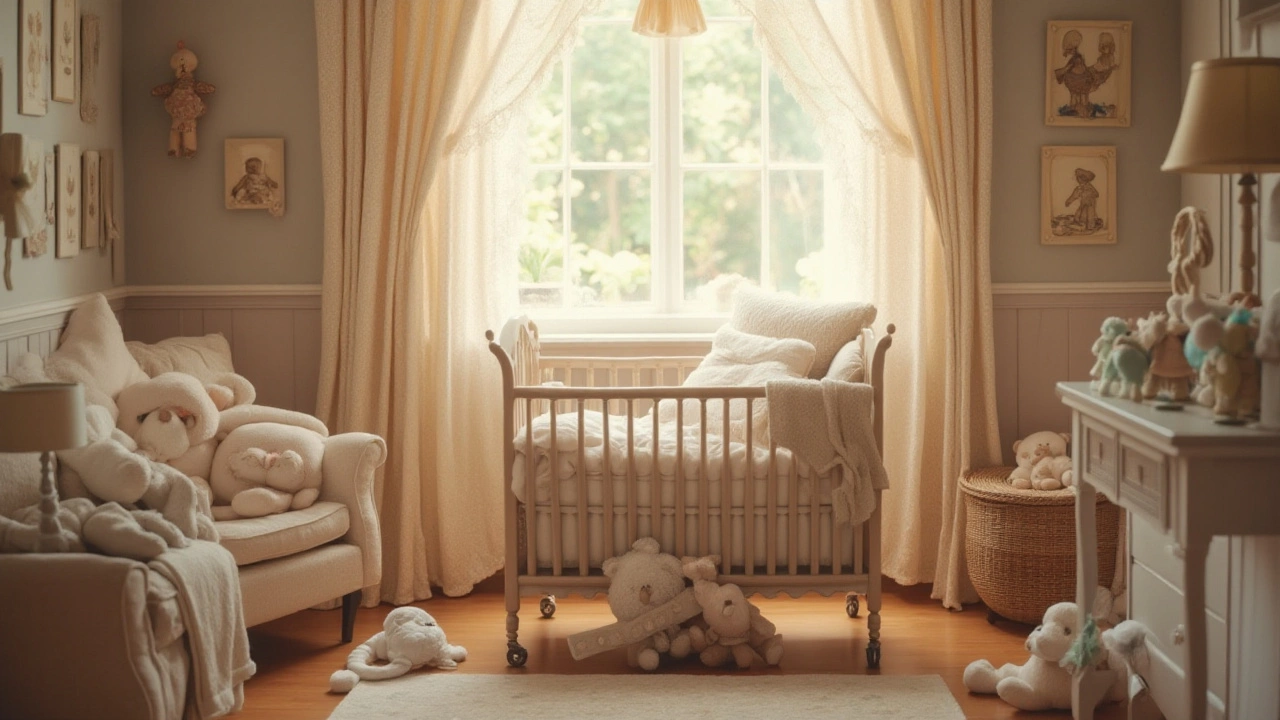
When you think of British baby furniture, furniture designed for infants and toddlers that meets UK safety standards and reflects local parenting habits. It’s not just about looks—it’s about meeting strict regulations, fitting smaller homes, and lasting through years of use. Unlike some overseas brands that chase flashy designs, British baby furniture often prioritizes durability, non-toxic materials, and compliance with UK safety laws like BS EN 1130 and BS EN 716. You’ll find fewer plastic-heavy pieces and more solid wood cribs, sturdy changing tables, and compact storage solutions that work well in UK homes where space is tight.
Related to this are crib safety, the set of standards and practices that ensure a baby’s sleep environment is free from suffocation and fall risks, and nursery furniture, the essential pieces like cribs, dressers, and nightstands that make up a baby’s sleeping and changing area. These aren’t optional extras—they’re the backbone of a safe home for your child. A poorly secured dresser can tip over. A crib with drop sides or slats too far apart can trap limbs. These aren’t hypotheticals—they’re real risks that UK parents are warned about by health visitors and safety groups. That’s why so many British families turn to furniture with certified safety labels and avoid secondhand pieces that don’t meet current standards.
And then there’s the budget side. Not every family can afford a £1,000 wooden cot. That’s why budget nursery, a well-planned baby room built on a tight budget using smart shopping, DIY, and secondhand finds is a growing trend. Thrift stores, Facebook Marketplace, and even local baby swaps are full of quality pieces—just make sure they’re not recalled, don’t have loose hardware, and meet current safety rules. You don’t need a full matching set to give your baby a safe, cozy space.
What you won’t find in most British nurseries? Clutter. Too many toys, fluffy rugs, loose blankets, or wall hangings that could pose a risk. The safest rooms are simple: a firm mattress, a fitted sheet, and maybe a wearable blanket. That’s why guides on what not to have in a nursery, how to pick the right toddler bed, or how to set up a nursery on a budget keep showing up in parent forums and health clinics. It’s not about perfection—it’s about reducing risks without spending a fortune.
Whether you’re setting up your first nursery, upgrading from a bassinet, or just wondering if that old crib is still safe, you’ll find real, practical advice below. No fluff. No marketing jargon. Just what works for UK families right now—based on safety guidelines, real parent experiences, and the latest advice from health professionals.