Find the Perfect Car Seat for Your Car: Easy Steps, Tips, and Real-Life Answers
Struggling to find a car seat that actually fits your car? Learn exactly how to get it right, with practical tips, facts, and a real-world guide (not just dry specs).
When it comes to car seat compatibility, how well a child car seat fits and functions in a specific vehicle. Also known as vehicle-car seat fit, it’s not just about buying a seat that looks right—it’s about making sure it installs securely, holds your child properly, and won’t shift during a crash. Many parents assume that if a car seat meets safety standards, it’s automatically safe in their car. That’s not true. A seat that works perfectly in one vehicle might wobble, tilt, or fail to latch in another. The difference isn’t always obvious, but it can be life-or-death.
Child car seat, a safety device designed to protect infants and young children in vehicles comes in types: rear-facing, forward-facing, and booster. Each has different rules. Rear-facing seats are safest for babies under two, but they need enough space behind the front seat. Forward-facing seats require a top tether anchor—some older cars don’t have them. And booster seat, a seat that lifts a child so the car’s seat belt fits correctly only works if the seat belt crosses the child’s shoulder and lap properly, not their neck or stomach. Not all cars have seat belt paths that work with boosters, especially in the middle seat.
Car seat compatibility also depends on your car’s seat shape, belt routing, and LATCH system. Some seats are too wide for narrow car seats. Others won’t lock the belt tightly enough. And LATCH anchors aren’t always in the same spot across models. Even the angle of your car’s seatback can throw off the installation. That’s why experts say: car seat compatibility isn’t something you guess. You test it. Try installing the seat in your car before you buy. Read both the car seat manual and your vehicle’s owner manual. Look for videos from real parents who own the same car and seat. If you’re unsure, get it checked by a certified technician.
It’s not just about the seat either. Your child’s weight, height, and age matter. The same seat might be fine for a 20-pound baby but too loose for a 40-pound toddler. That’s why guidelines change. You don’t move to a booster just because your kid turns five. You move when they hit the weight or height limit of their forward-facing seat. And even then, some kids need to stay in a harnessed seat longer—especially if they’re small or wiggly. Safety isn’t about age milestones. It’s about fit, function, and consistency.
What you’ll find below are real questions from parents who’ve been there: Is a Britax compatible with a Honda Civic? Can you use a car seat in a pickup truck? What if your car doesn’t have LATCH in the middle? We’ve pulled together guides, expert advice, and practical checklists—all based on actual car seat installations, real vehicle models, and what works in everyday life. No fluff. No marketing. Just what you need to know to keep your child safe on every ride.
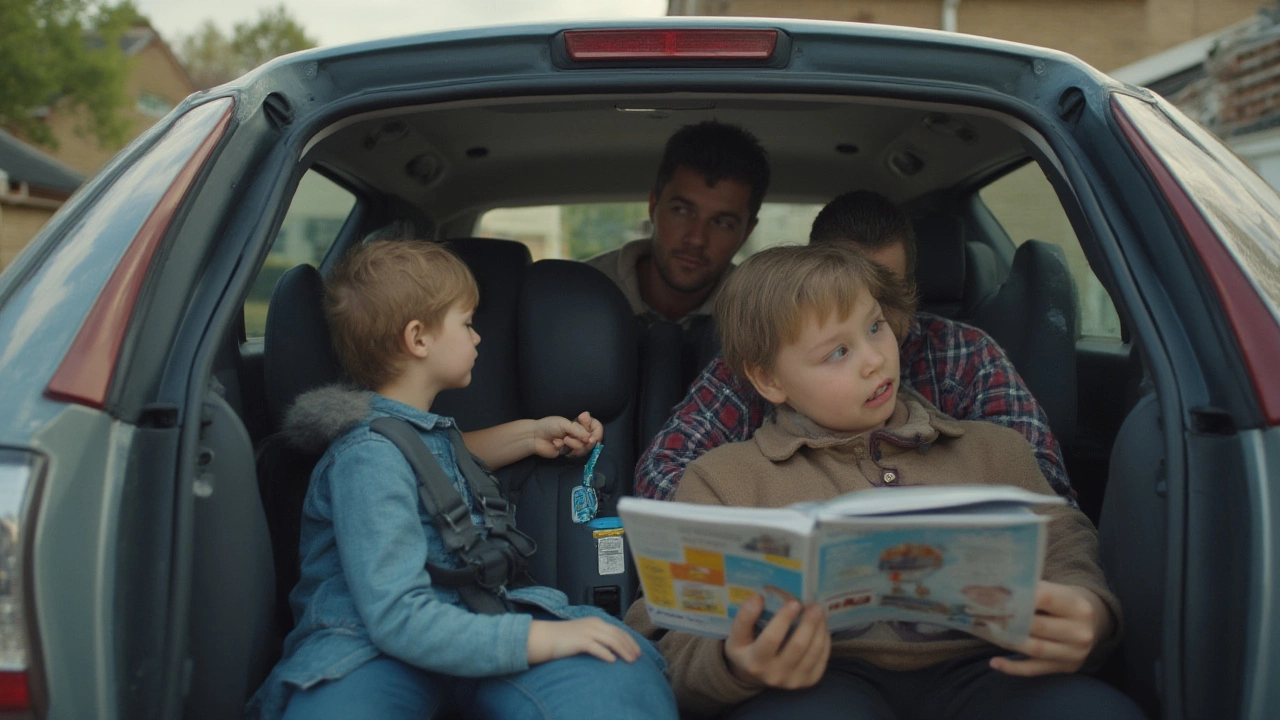
Struggling to find a car seat that actually fits your car? Learn exactly how to get it right, with practical tips, facts, and a real-world guide (not just dry specs).