Find the Perfect Car Seat for Your Car: Easy Steps, Tips, and Real-Life Answers
Struggling to find a car seat that actually fits your car? Learn exactly how to get it right, with practical tips, facts, and a real-world guide (not just dry specs).
When it comes to car seat safety, the system of devices designed to protect children during vehicle travel. Also known as child passenger safety, it’s not just about following the law—it’s about making sure your child survives a crash if one happens. Every year, thousands of kids are injured or worse because their car seats were used wrong, installed poorly, or switched too early. The good news? Most of these mistakes are easy to fix with clear, up-to-date info.
Booster seat, a raised seat that positions a child so the vehicle’s seat belt fits properly across the chest and hips. Also known as belt-positioning booster, it’s the bridge between a forward-facing car seat and using just a seat belt. You don’t move to a booster just because your kid ‘looks big enough.’ You move when they hit the weight and height limits of their harnessed seat—usually around 40 to 65 pounds, depending on the model. And no, a 5-year-old doesn’t need a booster just because they’re tall for their age. The seat belt has to lie flat across the collarbone and low on the hips, not their neck or stomach.
Infant carrier safety, the set of standards and practices that ensure baby car seats protect newborns during sudden stops or collisions. A rear-facing seat is the gold standard until at least age 2—and ideally longer. The American Academy of Pediatrics says kids should stay rear-facing as long as possible because their necks and spines aren’t strong enough to handle forward-facing crashes. That means even if your baby’s legs touch the seatback, they’re still safer backward. And don’t forget: the harness should be snug enough that you can’t pinch any slack at the shoulder. Not tight. Snug.
There’s a lot of noise out there—about expired seats, used car seats, secondhand boosters, and whether that fancy new model is worth the price. The truth? A $100 car seat installed correctly is safer than a $300 one stuffed into the backseat with a twisted strap. The car seat safety rules haven’t changed much: rear-face as long as you can, use the harness correctly, don’t skip the booster, and never leave a child alone in a car.
You’ll find posts here that break down exactly when to switch from a car seat to a booster, what to look for in a used seat, why some car seats fail real-world tests, and how to check if your installation is truly secure. No fluff. No marketing. Just what works—and what puts kids at risk.
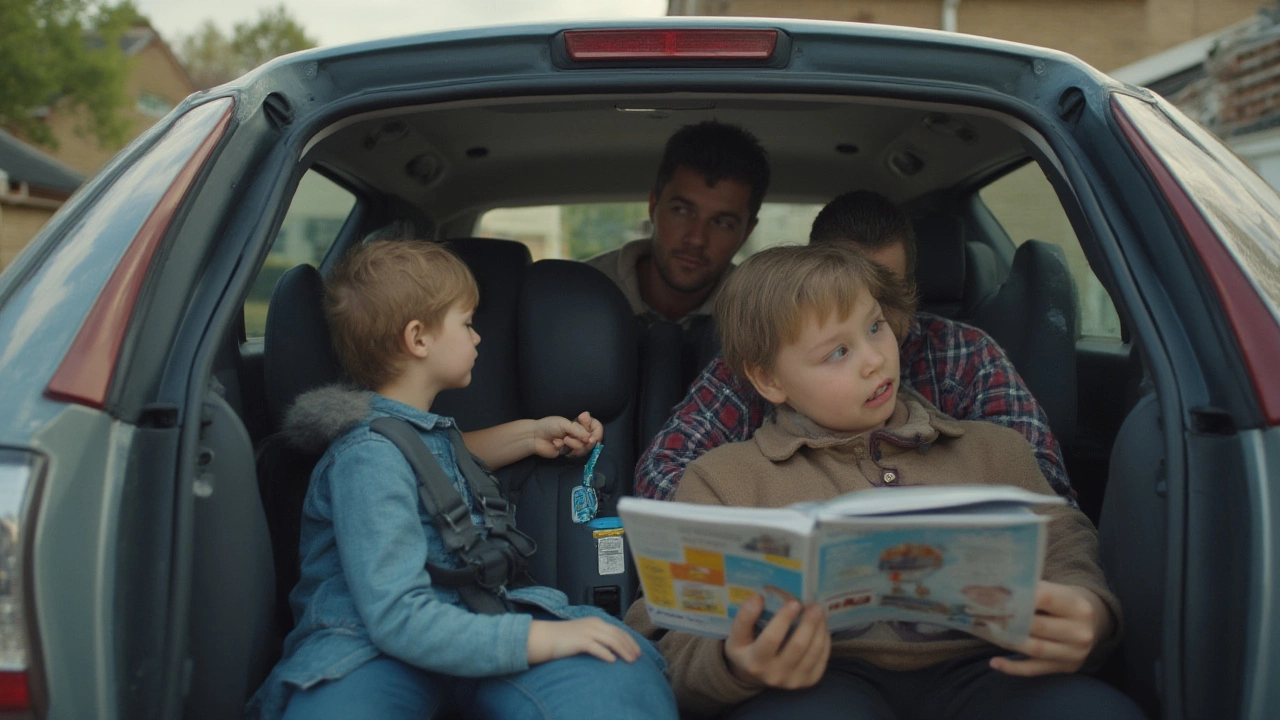
Struggling to find a car seat that actually fits your car? Learn exactly how to get it right, with practical tips, facts, and a real-world guide (not just dry specs).