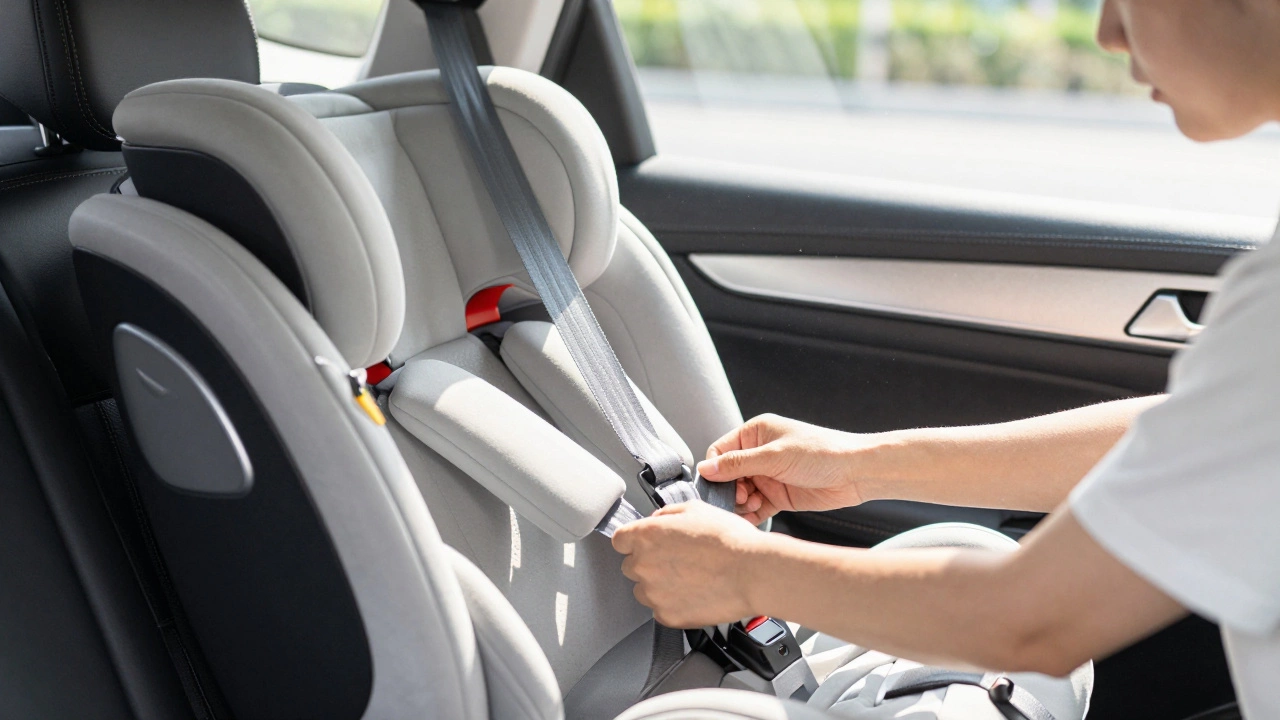
Car Seats for Kids: Safety, Types, and When to Upgrade
When it comes to protecting your child on the road, a car seat, a specially designed safety device for children in vehicles that meets strict regulatory standards. Also known as a child car seat, it’s not just a convenience—it’s the law and the only thing standing between your child and serious injury in a crash. Every parent wants their child to be safe, but with so many types—infant carriers, convertible seats, booster seats—it’s easy to get lost in the details. The right car seat isn’t the most expensive one. It’s the one that fits your child’s size, your car, and your daily routine.
Switching from a rear-facing infant carrier to a forward-facing seat happens around age 2, but weight and height matter more than birthdays. The booster seat, a seat that lifts a child so the car’s seat belt fits properly across the shoulder and lap. Also known as a high-back booster, it’s needed until your child is tall enough for the adult seat belt to work without it—usually between 8 and 12 years old. Many parents move kids to boosters too early, risking neck and spine injuries in a collision. And no, a seat belt alone is never safe for a small child, even if they seem "big enough".
It’s not just about the seat itself. Installation matters just as much. A loose car seat can move more than an inch side to side—that’s not normal. And never put a car seat in the front if there’s an active airbag. That’s a deadly combo. You’ll find posts here that break down exactly how to check your seat’s fit, what to avoid in the car with a child strapped in, and why some "trendy" features like built-in cup holders or fancy fabrics don’t improve safety at all. We’ll also cover the real age and weight limits for each stage, what experts say about extended rear-facing, and how to spot a worn or expired seat you might still be using.
There’s no one-size-fits-all answer. A 6-month-old in a rear-facing seat needs different support than a 5-year-old in a booster. But the goal is the same: keep them safe, every single trip. Whether you’re buying your first car seat, switching to a booster, or just wondering if that old seat from your cousin is still good, the posts below give you clear, no-fluff answers—based on real safety guidelines, not marketing hype.