Child Safety: Essential Tips for Keeping Kids Safe at Home and On the Go
When it comes to child safety, the practices and precautions that protect infants and young children from harm in everyday environments. Also known as baby safety, it’s not just about avoiding obvious dangers—it’s about understanding the hidden risks in your home, car, and daily routines. Many parents think child safety means baby-proofing a few corners and buying a crib with rails. But real safety starts with knowing what to remove, what to avoid, and what to replace—long before your baby even rolls over.
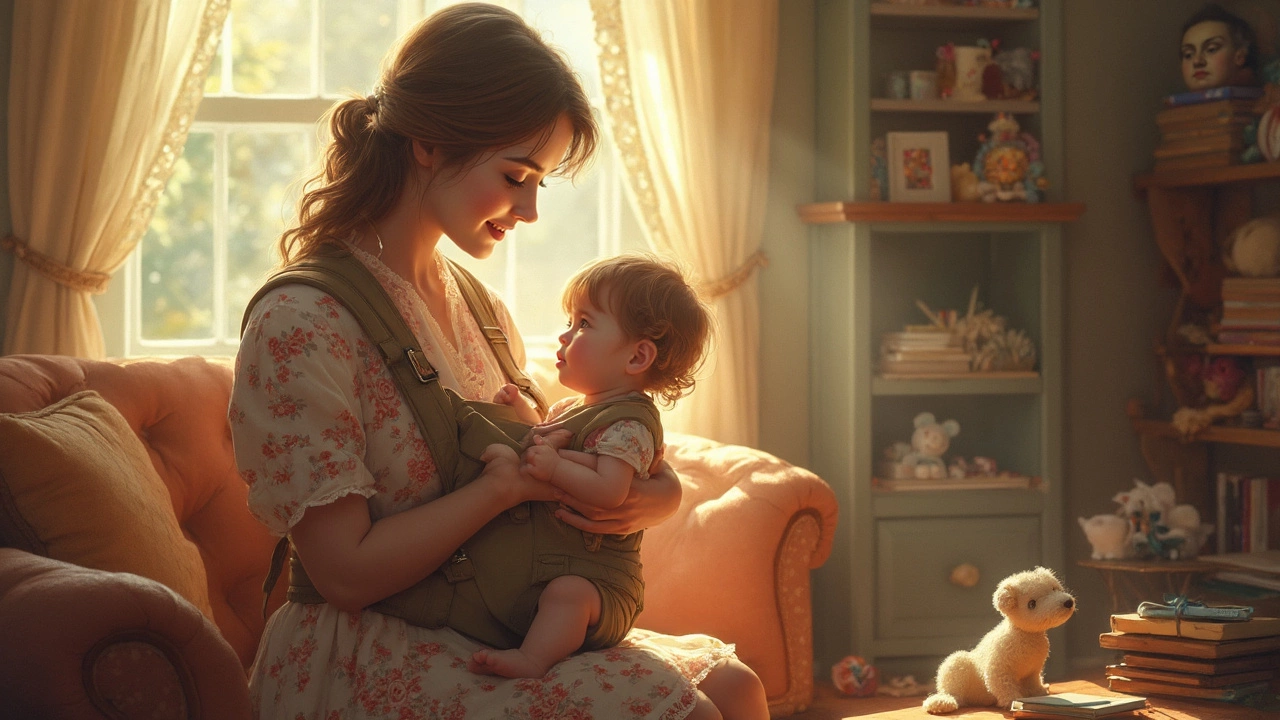
Take nursery safety, the setup and maintenance of a baby’s sleeping and play area to prevent accidents and promote healthy development. It’s not enough to just have a crib. You need to know which bedding is safe, which furniture can tip over, and why that cute hanging mobile might be a choking hazard. Experts say over 1,000 babies die each year from unsafe sleep environments—and most of those risks are avoidable. The same goes for infant carrier safety, how baby carriers are used to support healthy spine alignment and prevent breathing issues. A carrier that looks stylish doesn’t mean it’s safe. Pediatricians stress proper hip positioning and head support, especially for newborns. Then there’s baby sleep safety, the set of guidelines around sleep position, bedding, and room environment to reduce the risk of SIDS. The peak risk for SIDS isn’t random—it happens between 2 and 4 months, and the steps you take during those weeks can make all the difference.
It’s not just about sleep or carriers. Think about what your baby puts in their mouth. microplastic free baby bottles, feeding containers made from materials like glass, stainless steel, or medical-grade silicone that don’t shed harmful microplastics are no longer a niche choice—they’re a basic health precaution. Studies show microplastics are in 93% of bottled water, and babies are more vulnerable to their effects. Even the toys they play with matter. Montessori educators avoid plastic for a reason: it overstimulates and doesn’t teach real-world cause and effect. Natural materials like wood and cotton help kids focus, calm down, and develop fine motor skills.
Child safety isn’t a one-time checklist. It’s an ongoing conversation with your environment. What you think is harmless—a loose curtain cord, an unsecured dresser, a secondhand crib without a recall check—could be a silent threat. That’s why the posts here cover everything from the exact age to switch from a car seat to a booster, to why old cribs might be illegal in 2025, to how to pick a backpack that won’t hurt your child’s spine. You won’t find fluff here. Just clear, no-nonsense advice from experts, parents who’ve been there, and data you can actually use. Whether you’re setting up a nursery, choosing a stroller, or just wondering if that baby monitor is secure, you’ll find answers that match your real life—not a magazine spread.