Children's Books: What They Really Do for Kids and How to Choose Them
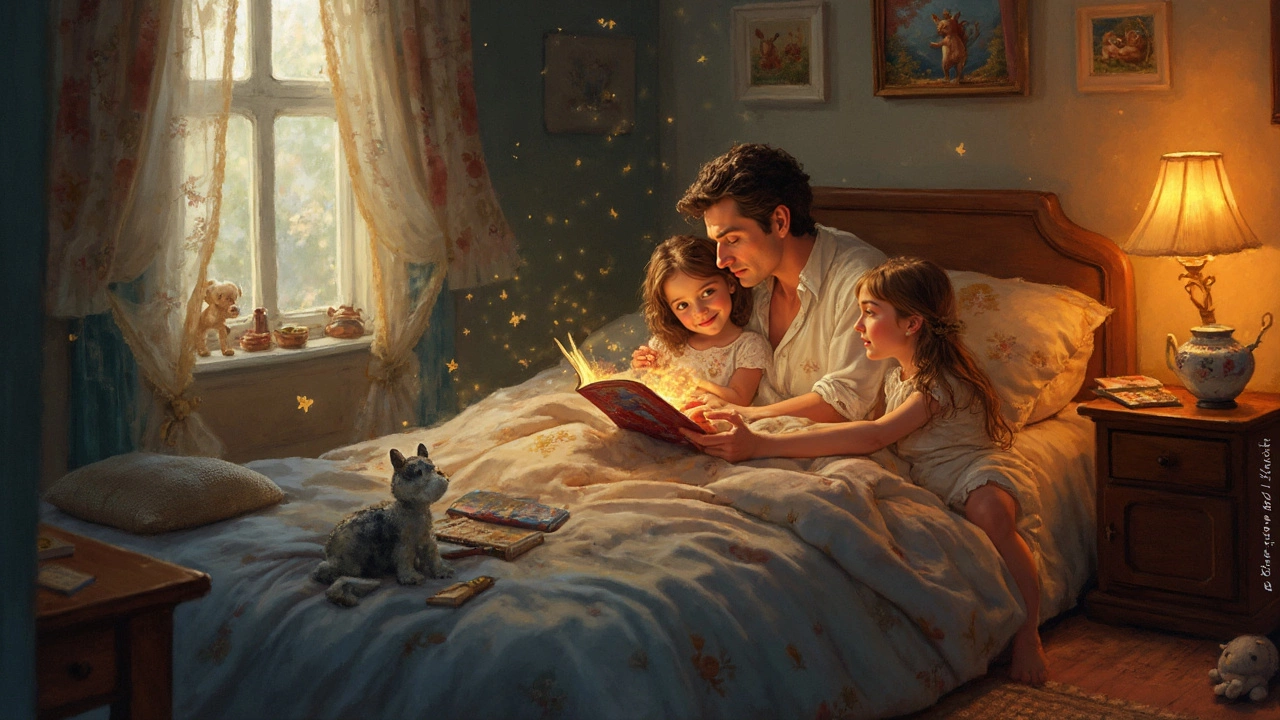
When you pick up a children's books, printed or digital stories designed for young readers to build language, emotion, and imagination. Also known as picture books, they’re not just bedtime rituals—they’re the first tools kids use to understand the world. A well-chosen book doesn’t just entertain. It builds neural pathways. It teaches patience. It helps a toddler name their fear or a preschooler recognize kindness. This isn’t magic—it’s neuroscience. Studies show that kids who hear stories daily before age three develop stronger vocabularies and better emotional regulation by age five.
Not all books are created equal. The best ones connect with how children actually learn. That’s why Montessori education, a child-centered approach that values real-world experiences and hands-on learning avoids flashy, plastic-heavy storybooks. Instead, it favors simple, calm illustrations and real-life themes—like brushing teeth, sharing toys, or watching rain fall. These books don’t scream for attention. They invite focus. And that’s exactly what young brains need. Similarly, educational toys, objects designed to stimulate learning through play, like wooden puzzles or textured blocks work the same way. They’re not about noise or lights. They’re about depth. A book with a single sentence and a detailed drawing of a cat at the window does more for a child’s attention span than a book with ten glittery characters shouting at once.
So what should you look for? Start with rhythm. Kids love repetition—it’s how they learn language. Look for books with predictable phrases, rhymes, or patterns. Then check the art. Are the images clear? Do they show real emotions? Avoid books where the pictures look like clipart. Real faces, real textures, real light—those help kids connect. And don’t overlook the quiet ones. A book about a child waiting for the bus, or watching a leaf fall, can teach more about patience and observation than a space adventure. The goal isn’t to fill their heads with facts. It’s to give them space to think, feel, and wonder.
You’ll find posts here that dig into exactly this. From how certain books support early speech to why some materials—like wood or cloth—work better than plastic for little hands. There’s advice on picking books that match your child’s stage, whether they’re just starting to point at pictures or asking why the moon follows them to bed. No fluff. No marketing hype. Just what actually helps kids grow—through stories, quiet moments, and the right kind of attention.