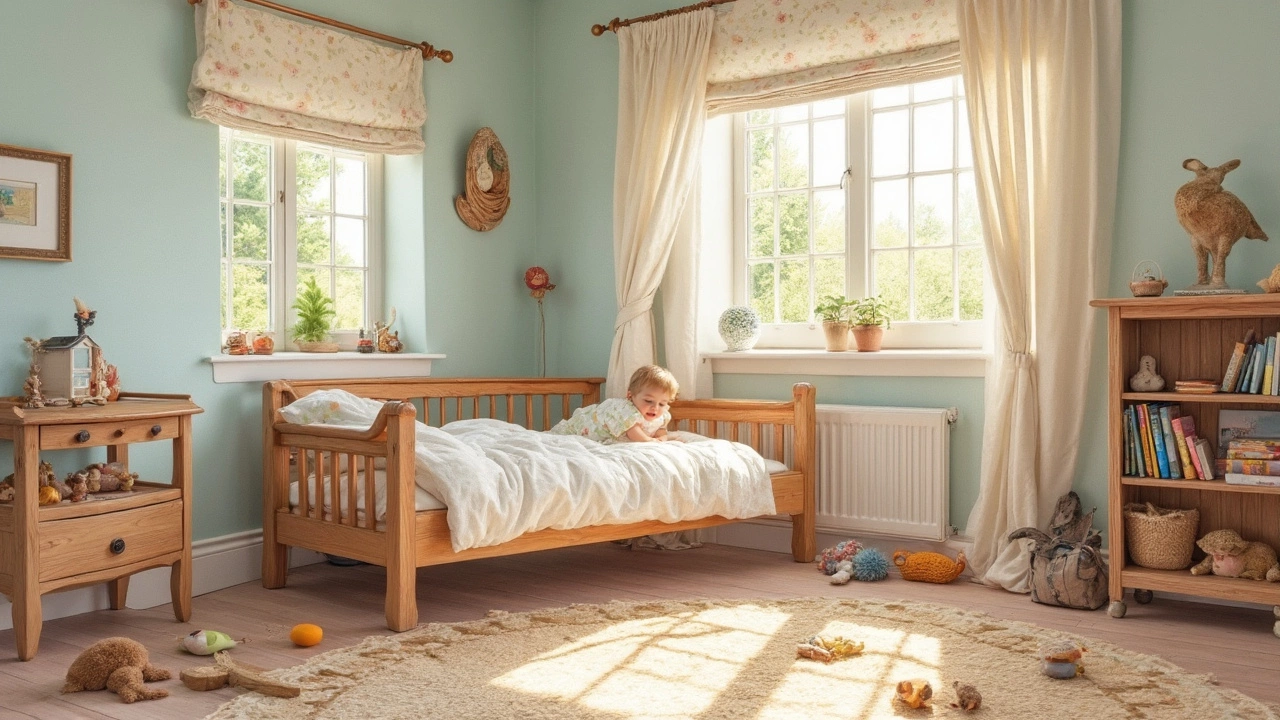
Floor Beds for Kids: Safe, Simple Sleep Solutions for Little Ones
A floor bed, a low, mattress-only sleeping surface placed directly on the floor, often used in Montessori homes to give toddlers freedom of movement and choice. Also known as a Montessori bed, it’s designed to let children get in and out of bed on their own, encouraging independence from an early age. Unlike traditional cribs or toddler beds with rails, a floor bed removes barriers entirely. This isn’t just a trend—it’s a practical shift in how many families think about sleep, safety, and child development.
Parents who choose floor beds often do so because they align with safe sleep, a set of practices proven to reduce the risk of SIDS and other sleep-related infant deaths guidelines. The American Academy of Pediatrics recommends firm, flat surfaces without loose bedding or soft objects—and a floor bed fits perfectly. No high sides to climb over, no risk of trapping fingers, no need for transition from crib to bed. Just a mattress on the floor, surrounded by a calm, child-safe space. Many families find that once their child starts moving around independently, a floor bed feels more natural than a confined crib.
It’s not just about safety. A Montessori sleep, an approach that prioritizes child-led routines, minimal stimulation, and respect for the child’s autonomy philosophy sees the floor bed as a tool for building confidence. When a toddler can choose when to sleep, when to wake, and when to get up and play, they learn self-regulation. This doesn’t mean chaos—it means structure with freedom. You still set bedtime routines, but the child isn’t trapped if they wake up early or need a cuddle. And because there’s no cage-like structure, the room feels more open, less clinical.
What about falls? Parents worry. But the truth is, most kids don’t roll off a floor bed. The mattress is right at ground level. Even if they do, the impact is minimal. Many families add a thin foam pad or rug around the bed for extra peace of mind. The bigger risk? A crib that’s too small, a toddler bed with high sides that becomes a climbing hazard, or a room full of unsafe furniture—things we cover in detail in the posts below.
You’ll find real advice here on how to set up a floor bed that actually works. Not just the mattress size or where to buy one—but how to arrange the room, what to keep nearby, how to handle nighttime wandering, and how to make sure your space stays safe as your child grows. We also talk about what to avoid, like putting too many toys in the sleep area, using thick quilts, or placing the bed near windows or cords. These are the same safety tips experts stress in posts about baby sleep environment, the physical and emotional setting where a child sleeps, including lighting, noise, temperature, and furniture arrangement.
Some families use floor beds from birth, others switch after 12 months. There’s no right age—only what fits your child and your home. The posts below show you real examples, from minimalist setups to budget-friendly DIY ideas, and even how to transition from a crib without tears. You’ll see how floor beds connect to bigger ideas: reducing plastic toys, choosing natural materials, and creating spaces that support calm, focused development.
Whether you’re curious about Montessori methods, worried about crib safety, or just looking for a simpler way to handle sleep, the articles here give you clear, no-fluff answers. No marketing hype. Just what works for real parents in real homes.