Montessori Educational Toys: How They Inspire Child Development Naturally
A no-nonsense guide to Montessori educational toys—what they are, why they matter for early learning, and easy tips for choosing the best options for your child.
When we talk about hands-on learning, a method where children learn by doing, touching, building, and exploring rather than just listening or watching. It’s not just a buzzword—it’s how toddlers figure out gravity by dropping spoons, how preschoolers learn weight by carrying blocks, and how kindergartners understand cause and effect by pouring water into different containers. This isn’t theory from a textbook. It’s what parents and educators see every day when a child stops playing with a flashy plastic toy and picks up a wooden spoon instead.
Montessori toys, simple, natural-material learning tools designed to encourage focus, independence, and real-world problem-solving are built for this kind of learning. They don’t light up or make noise. They’re made of wood, glass, or fabric—materials that give real feedback. A child feels the weight of a metal spoon, the texture of a woven basket, the temperature of a ceramic bowl. These aren’t just toys. They’re tools for sensory development, how kids use their senses—touch, sight, sound, smell, and even taste—to understand the world around them. And that’s why educational toys, items chosen specifically to support cognitive, motor, or emotional growth made from plastic often fall short. Plastic toys overstimulate. They distract. They don’t teach responsibility or patience. A plastic robot that talks won’t help a child learn to clean up after themselves. A wooden puzzle will.
Hands-on learning isn’t about buying more stuff. It’s about choosing the right stuff. It’s about letting kids get messy, make mistakes, and figure things out on their own. It’s why a child who stacks cups learns balance before they learn math. Why a toddler who helps fold laundry picks up patterns and sorting skills without ever being told. This kind of learning sticks because it’s real. It’s not screen-based. It’s not passive. It’s active, physical, and personal.
You’ll find posts here that dig into what works—like why Montessori education avoids plastic toys, how baby carriers affect spine development, and what safe sleep practices actually mean for your child’s growth. You’ll also see what doesn’t—like overpriced gadgets that promise to teach but just collect dust. These aren’t opinion pieces. They’re based on what pediatricians, educators, and real parents have seen work in everyday life. Whether you’re setting up a nursery, picking out a backpack, or wondering when your child is ready to stop using a stroller, the thread is the same: real learning happens through doing. Not watching. Not scrolling. Not being entertained. But by touching, trying, failing, and trying again.
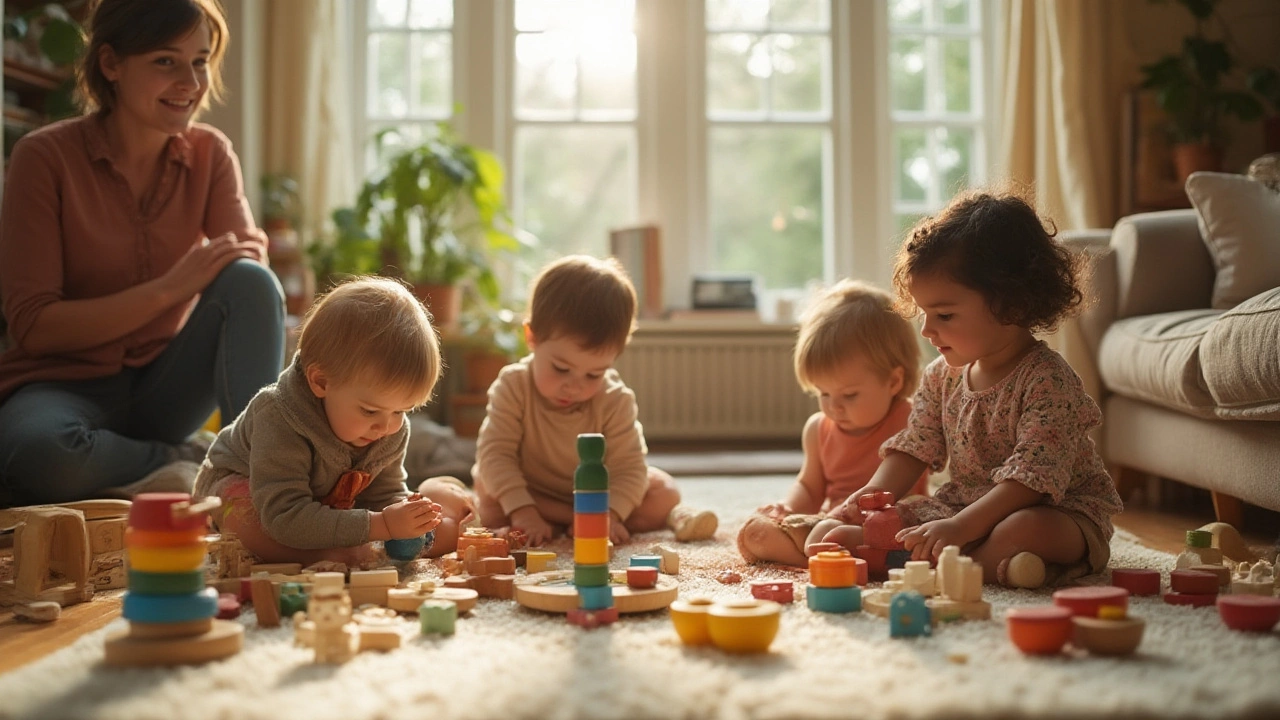
A no-nonsense guide to Montessori educational toys—what they are, why they matter for early learning, and easy tips for choosing the best options for your child.