Hip Development in Children: What Parents Need to Know
When we talk about hip development, the process by which a baby’s hip joints form and stabilize to support standing and walking. Also known as hip joint maturation, it’s one of the most critical yet overlooked parts of early growth. Healthy hips let your child crawl, cruise, and eventually run without pain or restriction. But if the hip socket doesn’t form properly, it can lead to long-term issues like limping, arthritis, or even surgery later in life.
That’s why infant hip screening, a simple physical check doctors do right after birth and during routine visits matters so much. It’s not just a formality—it’s your child’s first line of defense against developmental dysplasia of the hip, a condition where the hip joint doesn’t fit snugly in its socket. The good news? Most cases are caught early and fixed with a simple brace or harness. The bad news? Many parents don’t know the signs. If your baby has uneven leg creases, one leg doesn’t kick as freely, or their legs don’t spread apart easily during diaper changes, it’s worth asking your pediatrician. These aren’t always obvious, but they’re clues.
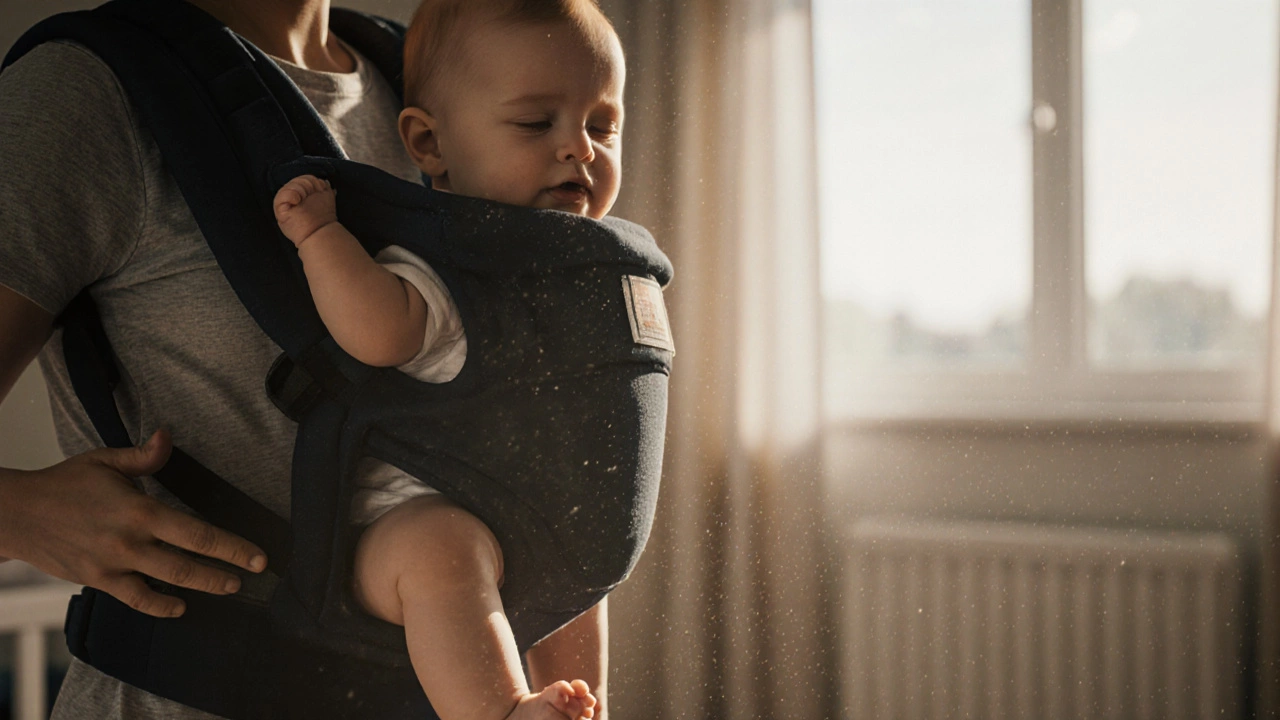
pediatric orthopedics, the branch of medicine focused on children’s bone and joint health has clear guidelines: babies should be positioned with their hips spread and knees bent—think froggy legs, not straightened out. Swaddling too tightly, using infant carriers that don’t support the hips, or letting your baby sit in a narrow bouncer for hours can actually interfere with natural development. That’s why so many posts here focus on safe gear—like the right infant carrier, proper stroller use, and crib safety. All of these connect back to how your child moves and grows.
You’ll find real-world advice here: what to look for in a baby carrier that supports healthy hips, why some strollers are better than others for growing joints, and how early movement patterns affect long-term mobility. These aren’t theoretical tips—they’re based on what pediatricians and physical therapists see every day. Whether you’re worried about your newborn’s leg movements or your toddler’s walking style, the posts below give you clear, no-fluff answers.