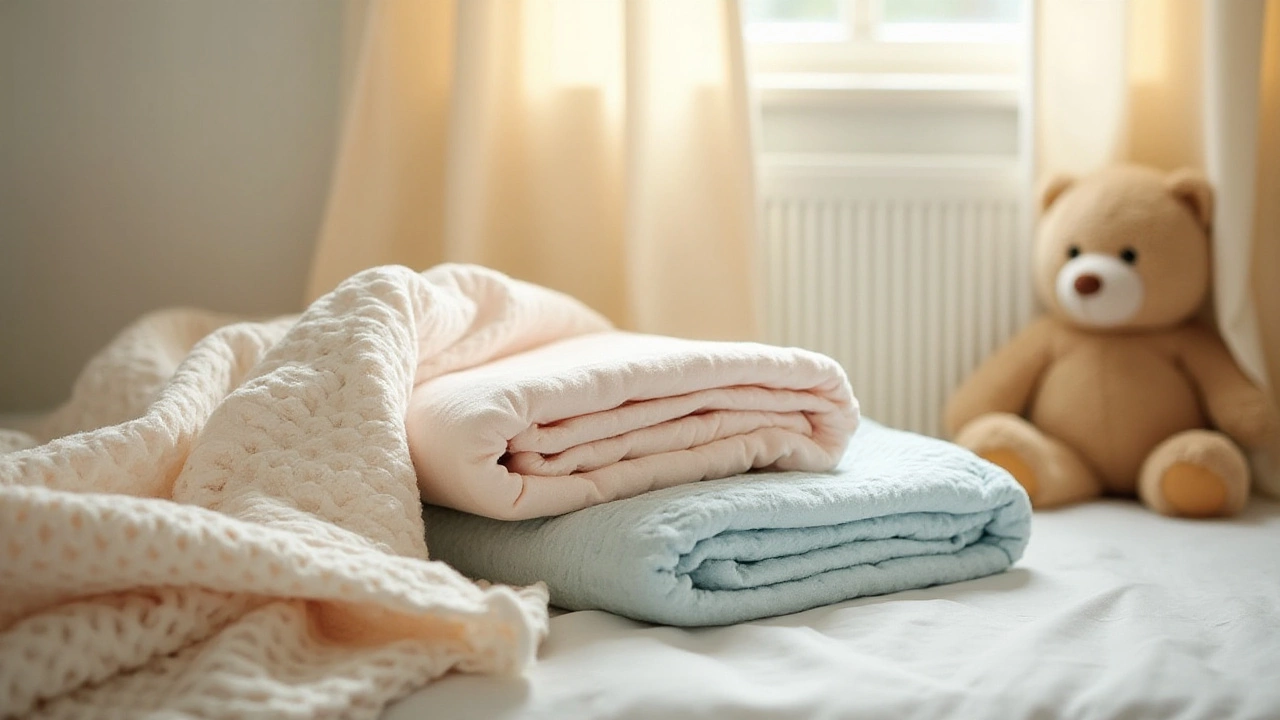
Infant Bedding: Safe, Smart Choices for Your Baby's Sleep Space
When it comes to infant bedding, the soft materials and layers placed in a baby’s crib to provide comfort and warmth. Also known as baby crib linens, it includes sheets, blankets, swaddles, and sleep sacks—but not all of it is safe. The American Academy of Pediatrics is clear: too much bedding increases the risk of SIDS. In fact, over 3,500 babies in the U.S. die each year from sleep-related causes, and many of those cases involve unsafe bedding. You don’t need fancy quilts, stuffed animals, or thick pillows to keep your baby cozy. You need less—far less.
What makes infant bedding dangerous isn’t the material itself, but how it’s used. A loose blanket can cover a baby’s face. A bumper pad can trap air or become a climbing tool. Even a thick mattress topper can reduce airflow. That’s why experts recommend a firm, flat mattress with just a fitted sheet. If you’re worried about cold nights, use a wearable blanket or sleep sack instead. These are designed to keep your baby warm without the risk of suffocation. And when you do use a blanket, make sure it’s thin, breathable, and tucked tightly under the mattress—no loose ends. The same goes for breathable baby blankets, lightweight fabrics like cotton muslin or bamboo that allow air to pass through. They’re not just trendy—they’re a safety tool. Also, remember that crib safety, the set of standards that ensure a crib doesn’t pose risks like entrapment, suffocation, or falls isn’t just about the frame. It’s about what goes inside it.
Many parents think they need to fill the crib to make it look nice or feel cozy, but that’s a myth. A bare crib is the safest crib. You’ll find posts here that break down exactly what to remove from your nursery—like those decorative pillows, plush toys, and even some marketed as "safe"—and what to replace them with. You’ll learn which fabrics actually help prevent overheating, how to tell if a blanket is truly breathable, and why some "organic" cotton still isn’t safe if it’s too thick. We’ll also cover how to choose the right sleep sack size, what to do if your baby kicks off covers, and how room-sharing with a safe sleep environment cuts SIDS risk by more than half. This isn’t about perfection. It’s about making simple, smart changes that protect your baby while keeping things practical for you.