Learning Through Play: How Kids Grow Through Everyday Activities
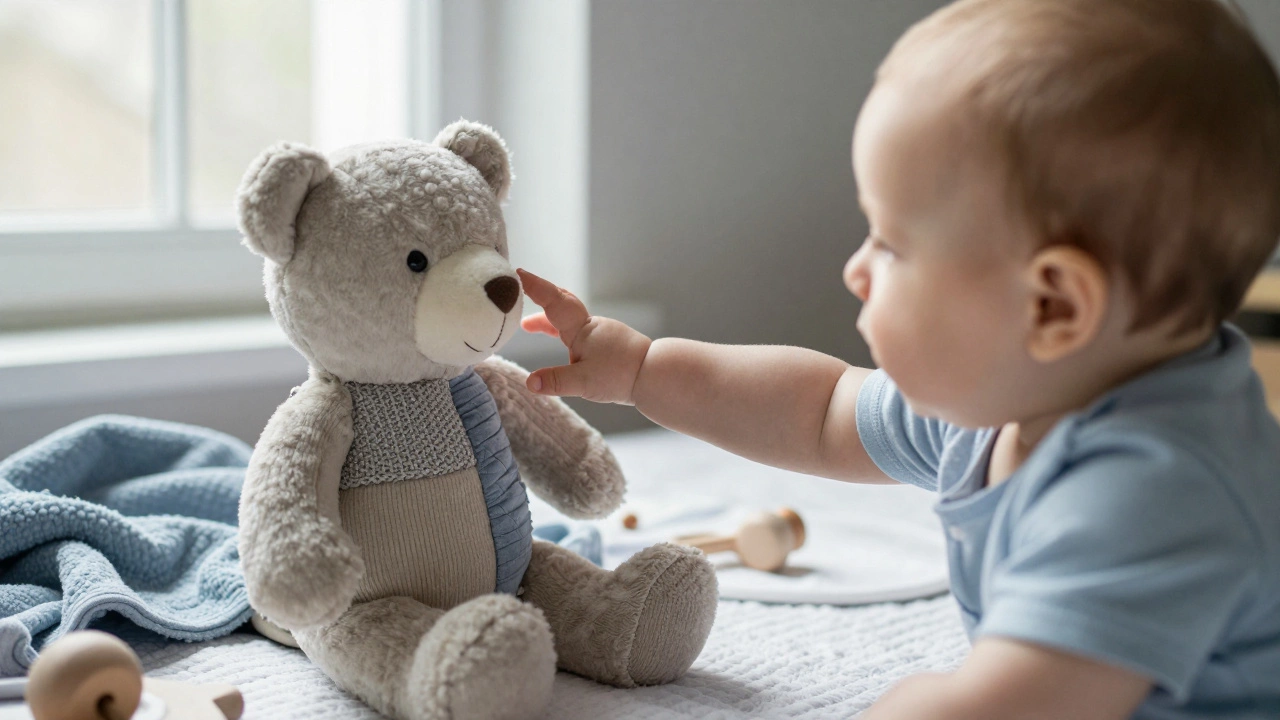
When we talk about learning through play, the natural way children explore, experiment, and understand the world around them. It’s not a classroom method—it’s how babies grab toys, toddlers stack blocks, and preschoolers pretend to be pirates or doctors. This isn’t just fun; it’s the foundation of how their brains develop focus, problem-solving, and emotional control. Also known as play-based learning, it’s the quiet engine behind everything from language skills to social confidence.
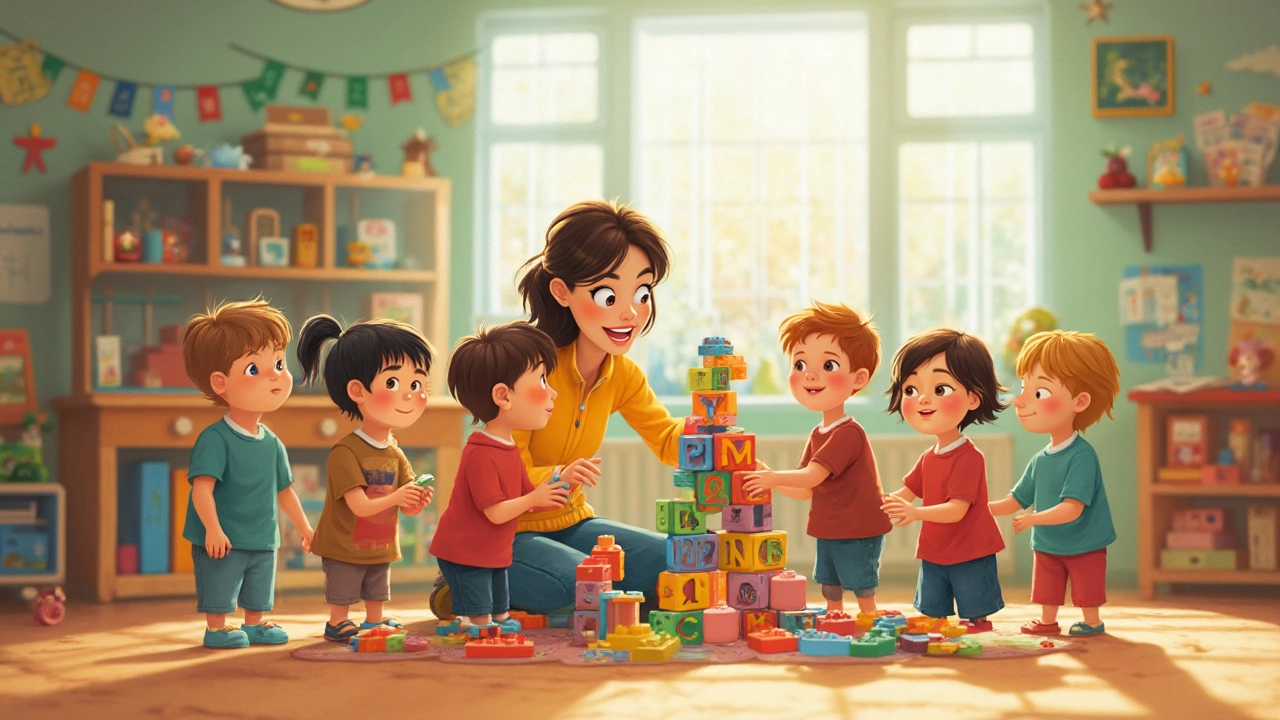
Real learning happens when kids aren’t being taught—they’re figuring things out on their own. A child pushing a toy car across the floor is learning physics. A toddler sorting colored beads is building early math skills. A group of kids playing house is practicing negotiation, empathy, and role-taking. These aren’t random activities. They’re structured by the child’s curiosity, not a curriculum. And the best part? You don’t need expensive toys. A cardboard box, a spoon, or a pile of laundry can become a spaceship, a drum, or a mountain. What matters isn’t the object—it’s the engagement. child development, the process by which a child gains physical, cognitive, emotional, and social abilities over time. Play is its most powerful tool.
Experts agree: too much screen time, too many structured lessons, and too little free play can slow down real learning. That’s why parents who follow Montessori principles avoid plastic toys that light up and beep—they know natural materials like wood and fabric let kids focus, touch, and think deeper. The same idea shows up in safe sleep practices—when you remove clutter from a nursery, you’re not just being careful, you’re creating space for calm, focused exploration. Learning through play doesn’t need a checklist. It needs time, space, and the freedom to get messy. It’s why a child who spends hours building a tower with blocks ends up better at math than one who’s drilled with flashcards. It’s why kids who role-play with siblings learn conflict resolution before kindergarten.
What you’ll find in these posts isn’t a list of games to play. It’s a look at how real families navigate the messy, beautiful process of raising kids who think, feel, and grow. From why Montessori avoids plastic toys to how baby carriers affect spine development, each article connects back to one truth: the best learning happens when kids are in charge. You’ll see how stroller transitions, nursery safety, and even baby bottle choices all tie into the bigger picture—how we create environments that let children learn naturally. No pressure. No perfect routines. Just real moments that add up to real growth.