Is Memory Foam Safe for Toddlers? The Truth Every Parent Needs
Is memory foam safe for 3-year-olds? Discover real facts about memory foam mattresses, safety concerns, healthy sleep, and what parents should know before buying.
When it comes to your baby’s sleep surface, memory foam, a pressure-relieving material made from viscoelastic polyurethane that molds to body shape. Also known as viscoelastic foam, it’s popular in adult mattresses—but is it right for infants? The short answer: most pediatricians and safe sleep experts advise against it. Babies need firm, flat surfaces to reduce the risk of SIDS, and memory foam’s soft, contouring nature can create dangerous indentations that interfere with breathing. The American Academy of Pediatrics doesn’t list memory foam as a recommended material for infant sleep surfaces, and for good reason.
What parents often don’t realize is that infant mattress, a specially designed sleep surface built to meet strict safety standards for babies isn’t about comfort—it’s about support. A firm mattress keeps the baby’s head and spine aligned, prevents sinking, and lets air flow freely around the face. Memory foam, even if labeled "hypoallergenic" or "breathable," doesn’t meet those standards. Instead, look for mattresses made with high-density polyfoam or coil systems that are certified by the Juvenile Products Manufacturers Association (JPMA). These materials stay firm under pressure and don’t trap heat or gases. And while memory foam might sound like a luxury upgrade, it’s actually a risk you don’t need to take.
There’s also a bigger picture here: nursery safety, the practice of removing hazards and choosing only approved gear for your baby’s sleep and play space isn’t just about what’s in the crib. It’s about what’s *under* the crib. A memory foam topper, even one marketed as "for babies," can turn a safe crib into a potential danger zone. The same goes for memory foam nursing pillows or sleep positioners—those are also flagged by the FDA and AAP as unsafe for infants under one year. What works for adults doesn’t translate to babies. Their bodies are still developing, their airways are small, and they can’t reposition themselves the way older kids or adults can.
So what should you choose instead? Stick to basics: a firm, flat crib mattress covered only with a fitted sheet. No blankets, no pillows, no plush toys. Keep the sleep environment simple. If you’re worried about your baby getting too hot or too cold, use a wearable blanket or sleep sack. If you’re drawn to memory foam because it feels "softer," remember: comfort isn’t the goal. Safety is. And when it comes to your baby’s sleep, there’s no room for guesswork.
Below, you’ll find real advice from parents and experts on what actually works in a nursery—from mattress choices to bedding habits that reduce risk. These aren’t opinions. They’re backed by safety guidelines, pediatric research, and years of experience. Whether you’re setting up your first nursery or rethinking your current setup, the posts here will help you cut through the noise and focus on what matters most: keeping your little one safe while they sleep.

Is memory foam safe for 3-year-olds? Discover real facts about memory foam mattresses, safety concerns, healthy sleep, and what parents should know before buying.
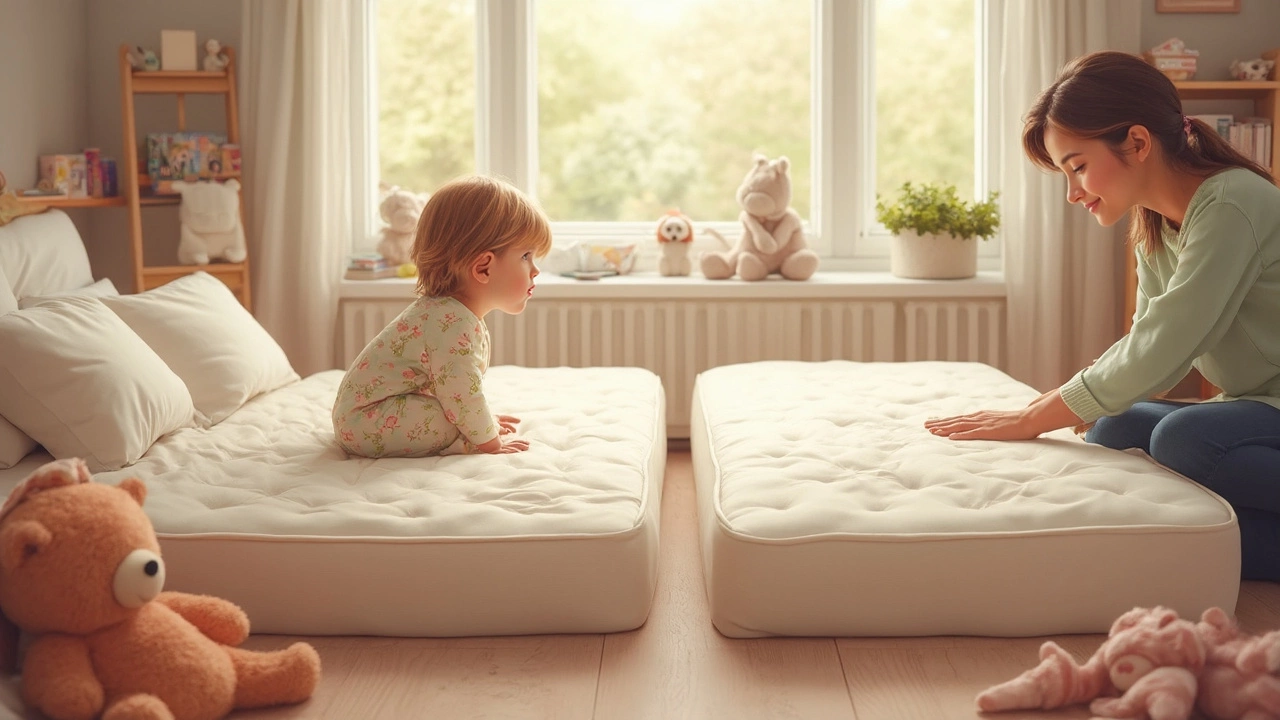
Wondering if memory foam mattresses are really safe for toddlers? This article breaks down what memory foam actually is, how it might affect growing kids, and the pros and cons compared to other mattress types. Get real tips on picking a mattress that keeps your little one comfy and safe. Stay in the know and spot common mistakes parents make when setting up a toddler bed.