Newborn Safety: Essential Tips for Protecting Your Baby in the First Months
When we talk about newborn safety, the practices and environments that protect infants from harm during their earliest weeks and months. Also known as infant safety, it's not about overprotecting—it's about making smart, simple choices that reduce real risks. Most parents worry about the big scary things—like SIDS or falls—but the real dangers are often hidden in plain sight: a loose blanket, an unsecured dresser, or a carrier that doesn’t support your baby’s spine properly.
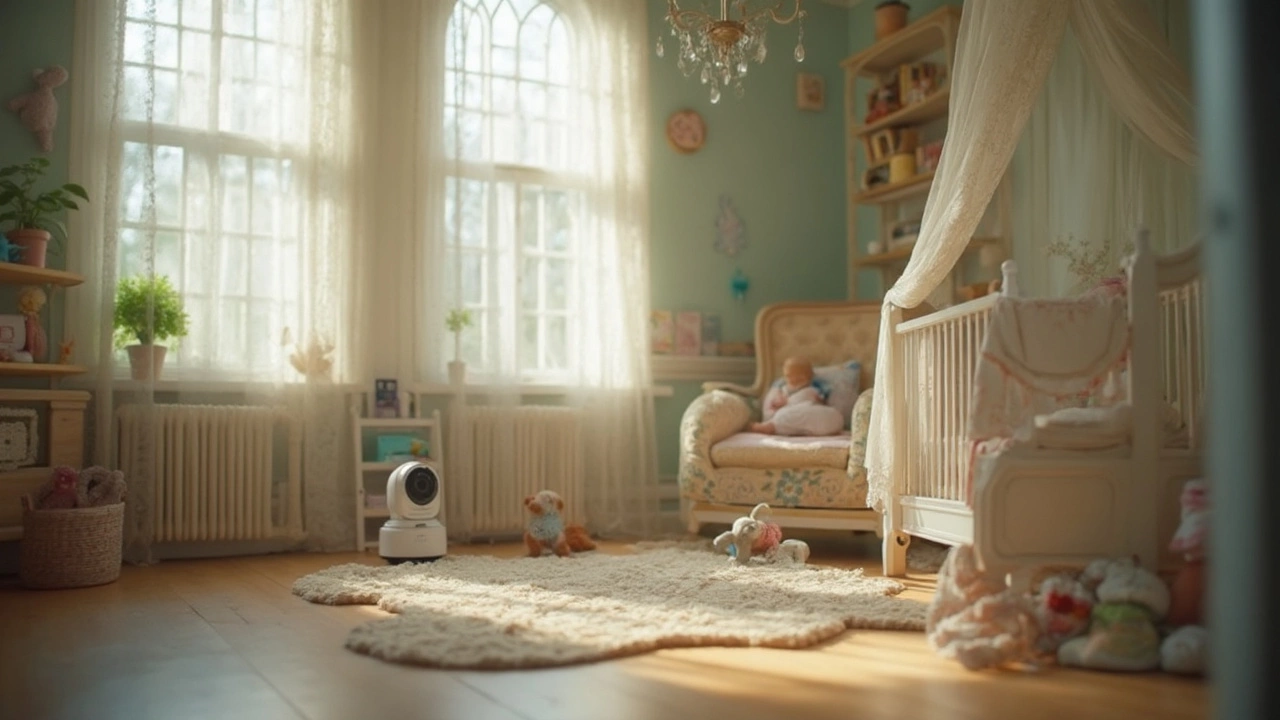
Baby sleep safety, how infants are positioned and surrounded during sleep to prevent sudden death is the biggest piece of newborn safety. Experts agree: babies should sleep on their backs, in a bare crib with no pillows, bumpers, or stuffed animals. Room-sharing—keeping the baby’s crib in your room for the first year—is proven to cut SIDS risk by up to 50%. But it’s not just about the crib. The nursery hazards, common items or setups in a baby’s room that pose physical dangers include heavy furniture not anchored to the wall, cords from blinds within reach, and overheating from too many layers. A study from the AAP found that over 70% of infant sleep-related deaths happen because of unsafe bedding or co-sleeping setups that seem harmless at first glance.
Then there’s infant carrier safety, how baby carriers and slings are used to support healthy physical development while preventing injury. Not all carriers are created equal. A good one keeps your baby’s hips in an M-shape, their head supported, and their airway clear. Too many parents use carriers that slump babies forward or let their chin rest on their chest—this can block breathing. Pediatricians warn that improper use can affect spine alignment, even in newborns. And while carriers are convenient, they’re not a substitute for a flat, firm sleep surface.
You don’t need expensive gear to keep your baby safe. You need awareness. That means checking every item in the nursery for hidden risks: are the crib slats less than 2.375 inches apart? Is the mattress firm and snug? Are all cords out of reach? Are you using a swaddle that allows hip movement? These aren’t just suggestions—they’re the basics that keep babies alive.
The truth is, newborn safety isn’t about perfection. It’s about consistency. One night of unsafe sleep doesn’t mean disaster. But repeated small risks add up. That’s why the posts below cover everything from the exact weeks when SIDS risk peaks to which baby bottles are free of microplastics, how to pick a safe stroller, and what furniture to avoid in the nursery. You’ll find real, practical advice—not fear-mongering, not fluff. Just what works, based on what doctors, safety groups, and parents have learned the hard way.