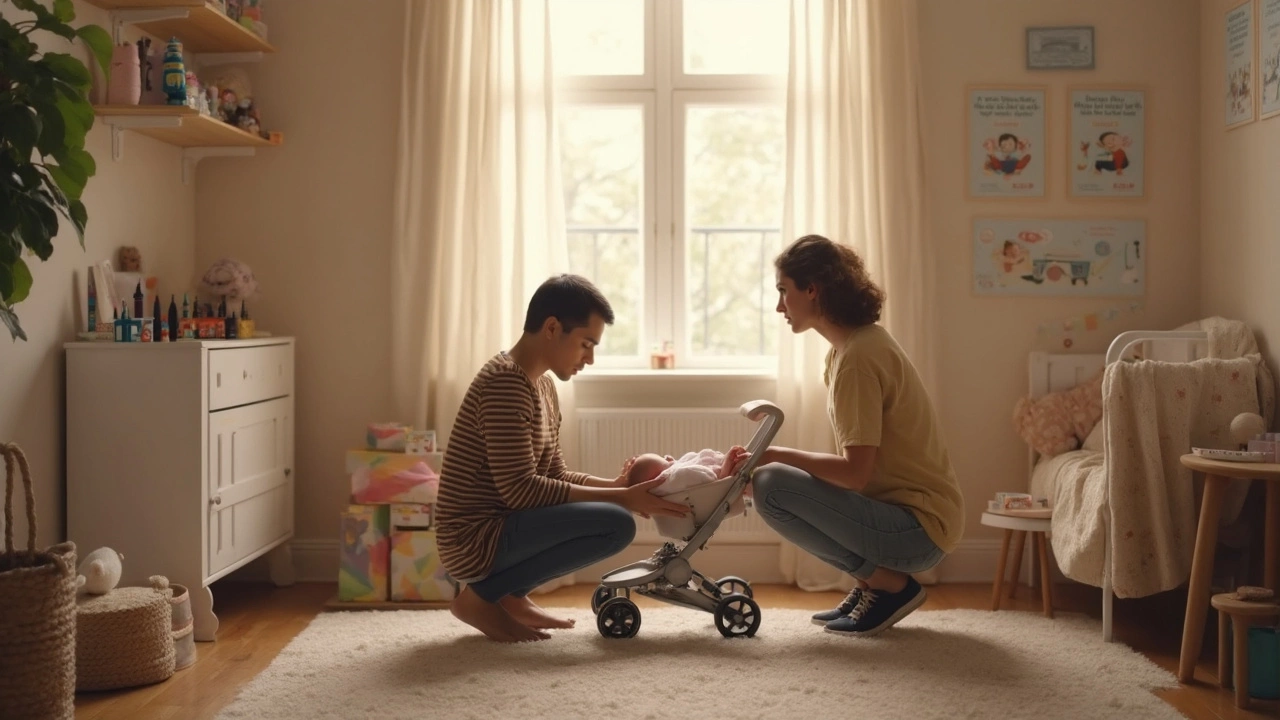
Newborn Stroller Safety: What Every Parent Needs to Know
When you first bring your newborn home, a stroller feels like a necessity—but not all strollers are safe for babies under six months. Newborn stroller safety, the practice of using strollers in ways that protect a baby’s developing spine, head, and airway. Also known as infant stroller safety, it’s not just about locking the wheels or folding the canopy—it’s about matching the right gear to your baby’s physical needs. Many parents assume any stroller works for a newborn, but that’s dangerous. Babies can’t hold up their heads yet. If the stroller seat is too upright, their airway can collapse. Their spine isn’t ready for pressure without full support. That’s why pediatricians and child safety groups insist: if your stroller doesn’t fully recline to a near-flat position, it’s not safe for a newborn.
Stroller safety guidelines, a set of standards that ensure a stroller protects a baby’s body during movement and rest cover more than just recline angles. The five-point harness must fit snugly—no slack, no twisting. The chin can’t rest on the chest. The stroller’s brakes need to lock securely, even on slight slopes. And never leave your baby unattended, even for a second. A baby can roll, slip, or tuck their head in ways you won’t expect. You also need to check the weight limit. Some strollers say "birth to 50 pounds," but that doesn’t mean your 7-pound newborn is safe in a seat meant for a toddler. Look for strollers labeled "suitable from birth" with a bassinet or carrycot attachment. That’s the gold standard.
Stroller transition, the process of moving from a bassinet-style stroller to a more upright seat as your baby grows usually happens between 4 and 6 months, when your baby can hold their head steady and sit with support. But timing varies. Some babies are ready earlier. Others need more time. Watch for signs: can they lift their head during tummy time? Do they push up on their arms? Are they showing interest in looking around instead of sleeping all day? If yes, you’re likely ready to adjust the stroller seat. But don’t rush it. A baby’s spine develops slowly. Pushing them into an upright position too soon can lead to discomfort, poor posture, and even long-term issues.
Don’t ignore the little things either. Avoid hanging heavy bags on the stroller handles—that tips the stroller backward. Never use a stroller as a sleeping surface for long periods. Babies should sleep flat on their backs in a crib or bassinet. And always check for recalls. Some strollers from years ago had faulty brakes or unstable frames. A quick search on the CPSC website can save you from a hidden danger.
You’ll find plenty of posts below that dig into exactly when your baby is ready for a stroller, how to check if your current one is safe, and what to avoid in a nursery or car seat that could affect stroller use. We’ve pulled together real advice from parents, pediatricians, and safety testers—no fluff, no marketing spin. Just what you need to keep your newborn safe, comfortable, and supported as you move through your days.