Nursery vs Bedroom: What’s the Difference and When to Make the Switch
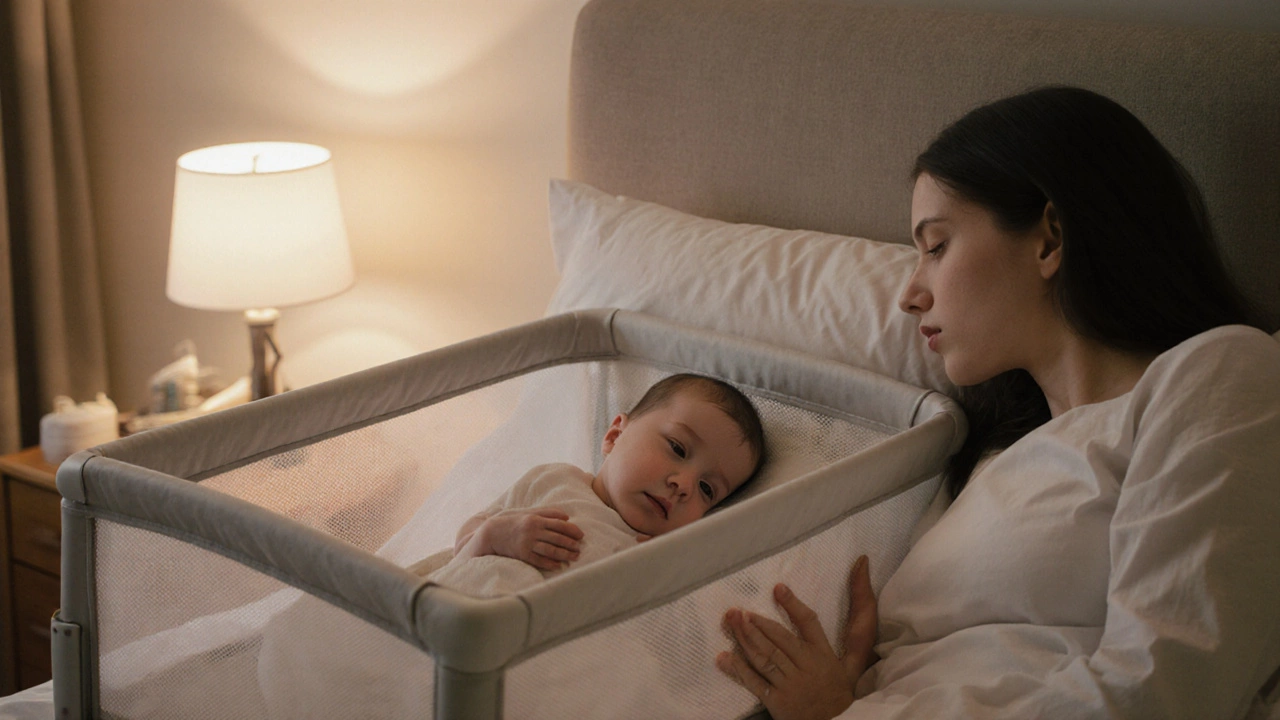
When you first bring your baby home, the nursery, a dedicated, safety-focused room designed for infant care and sleep. Also known as a baby room, it’s built around one goal: keeping your little one safe, calm, and easy to monitor. But as your child grows, that quiet corner with the rocking chair and tiny crib starts to feel too small. That’s when the big question comes up: nursery vs bedroom—when do you make the switch, and what really changes?
The nursery, a space designed for infants with strict safety standards and minimal distractions is all about control. You limit light, noise, and clutter. You use breathable blankets, avoid loose bedding, and keep the crib away from windows. It’s a space built for safety, not independence. On the other hand, a toddler bedroom, a shared or private sleeping area adapted for a child who’s mobile, curious, and starting to express preferences is about freedom—with boundaries. Now you’re thinking about bed rails, outlet covers, and childproofed drawers. The focus shifts from preventing accidents to guiding choices.
There’s no magic age when a nursery becomes outdated. Some kids stay in theirs until they’re three, others move out before their second birthday. It’s not about the clock—it’s about readiness. Signs your child is ready for a bedroom? They’re climbing out of the crib, showing interest in their own space, or sleeping through the night without needing you nearby. You might also notice they’re more responsive to routines, which makes a bedroom with consistent sleep cues easier to manage than a nursery that still feels like a hospital room.
Many parents worry about safety when moving to a bedroom. But the same rules apply: no loose cords, secure furniture, and a firm mattress. The difference? Now you’re adding a bed instead of a crib, and maybe a nightlight instead of a monitor. You’ll also start thinking about storage—where do their toys go? What about their favorite stuffed animal? A bedroom isn’t just a bigger room—it’s a step toward independence.
And let’s not forget the emotional shift. A nursery feels temporary. A bedroom feels like theirs. That’s powerful. Kids who get to pick a blanket or hang a drawing on the wall often sleep better because they feel ownership. It’s not about spending more money—it’s about giving them a space that grows with them.
What you’ll find below is a collection of real, practical guides from parents who’ve been there. From how to baby-proof a bedroom without making it feel like a fortress, to why some kids sleep better in a bigger room, to what to do when your toddler refuses to stay in bed—these posts cut through the noise. You’ll see what works for real families, not just Pinterest boards. No fluff. Just clear, tested advice to help you make the switch when it’s right for your child—and keep them safe while they do it.