Best Backpack Size for Elementary School Kids - 2025 Guide
Learn the perfect backpack size for elementary kids, why volume matters, grade‑by‑grade recommendations, ergonomic features and a handy buying checklist.
When choosing a backpack for your child, the optimal backpack volume isn’t about how much it can hold—it’s about what’s safe and comfortable for their growing body. A backpack that’s too big or too heavy can cause posture problems, shoulder pain, and even long-term spinal stress. According to the American Chiropractic Association, a child’s backpack should never weigh more than 10-15% of their body weight. That means a 50-pound child should carry no more than 7.5 pounds. The optimal backpack volume, the ideal capacity that balances storage needs with physical safety for children typically falls between 10 and 15 liters for elementary school kids, and up to 20 liters for older children with heavier loads.
But volume alone doesn’t tell the whole story. The backpack weight limit, the maximum safe load a child should carry based on their body size matters just as much. A 20-liter backpack filled with heavy books and a lunchbox can be worse than a 12-liter one with just the essentials. Look for features like padded shoulder straps, a waist belt, and a rigid back panel—these help distribute weight properly. The kids backpack size, the physical dimensions that match a child’s torso length and shoulder width should fit from just below the shoulders to the top of the hips. If it hangs lower than the bottom of the spine, it’s too big.
For daycare or preschoolers, a 5- to 10-liter bag is often enough for a change of clothes, a snack, and a small toy. Elementary schoolers need more room—10 to 15 liters—for notebooks, folders, a water bottle, and maybe a lunchbox. Middle schoolers with multiple textbooks and gym clothes might need 15 to 20 liters, but even then, encourage them to clean out their bag weekly. Overpacking is the real problem, not the size. The backpack comfort, the level of physical ease a child experiences while wearing the bag depends more on fit and weight distribution than on brand or style.
Parents often think bigger is better—especially when they see kids hauling oversized bags with cartoon characters. But those bags aren’t designed for comfort; they’re designed for marketing. The best backpacks are the ones your child can actually wear without slouching or complaining. Look at how they carry it. Do their shoulders hunch? Do they lean forward? Are the straps digging in? If yes, the volume or weight is wrong. You don’t need a 25-liter backpack for a 6-year-old. You need one that fits their body and carries only what they need.
Below, you’ll find real-world advice from parents and experts on what backpack sizes actually work in daily life. From JanSport’s lifetime warranty to choosing materials that reduce weight, we’ve gathered the most practical tips—no fluff, no trends, just what keeps kids safe and comfortable all day long.
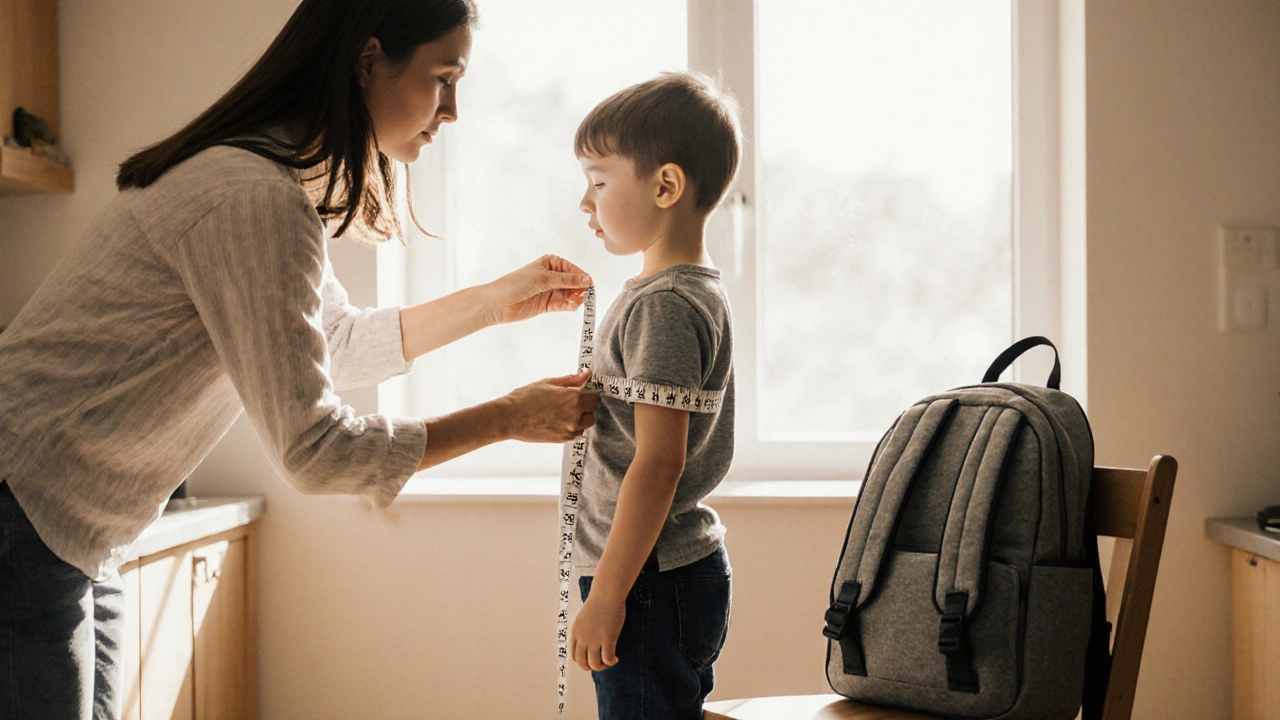
Learn the perfect backpack size for elementary kids, why volume matters, grade‑by‑grade recommendations, ergonomic features and a handy buying checklist.