Safe Sleep for Babies: What Works, What Doesn't, and Why It Matters
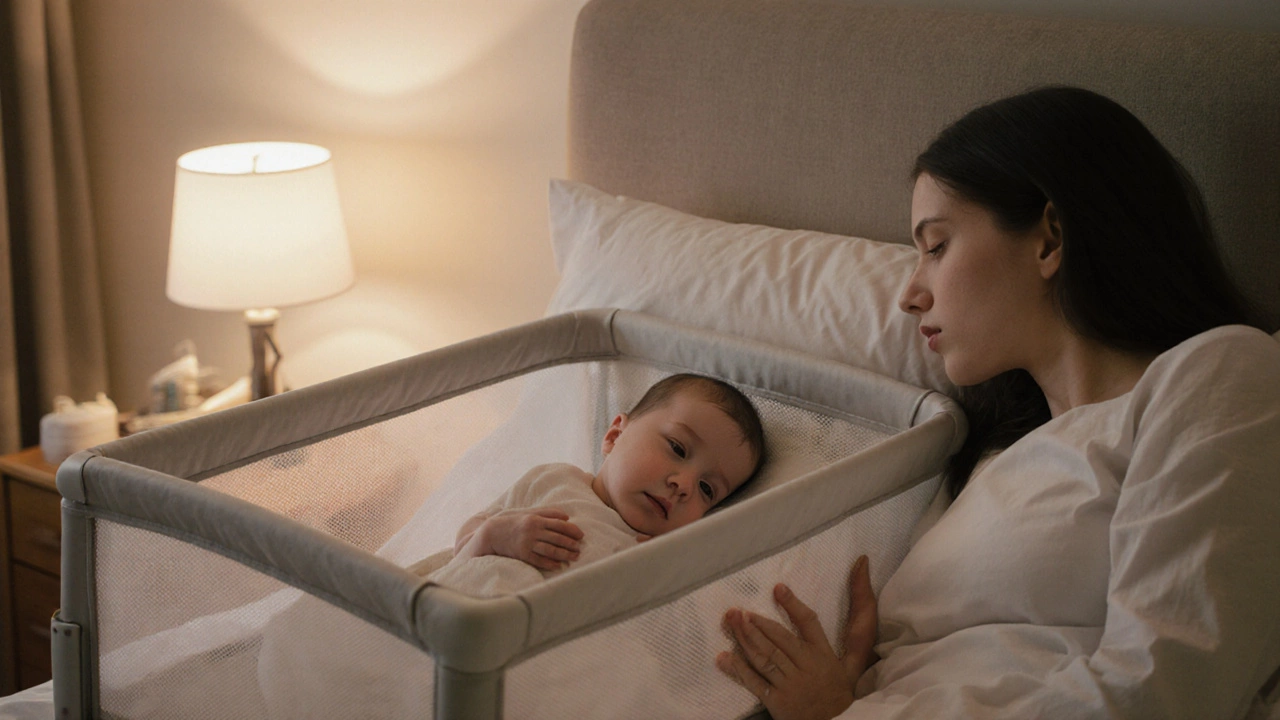
When we talk about safe sleep, the set of practices designed to reduce the risk of SIDS and other sleep-related infant deaths. Also known as infant sleep safety, it's not about fancy gadgets or perfect nursery decor—it's about simple, proven choices that keep your baby breathing easily while they rest. Every year, thousands of families worry about this one question: Am I doing everything I can? The truth is, you don’t need to buy expensive monitors or follow rigid routines. You just need to know what actually matters.
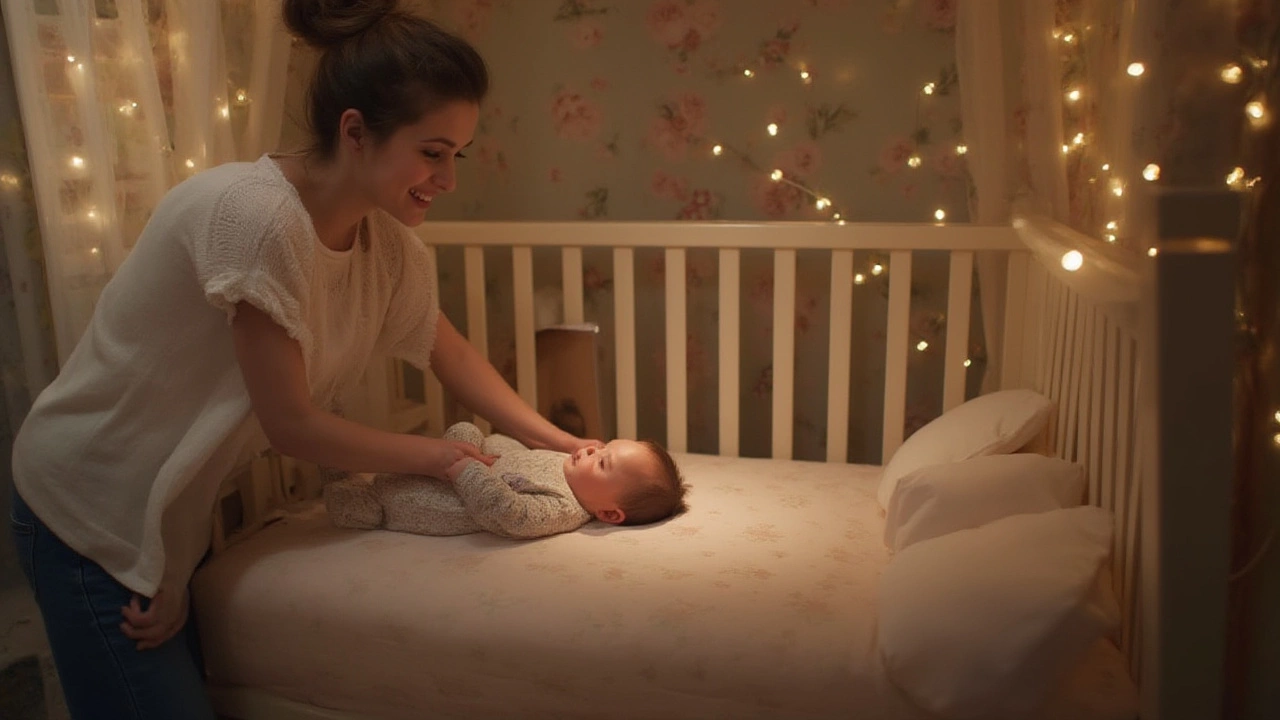
Crib safety, the foundation of any safe sleep environment starts with a bare crib. No pillows, no stuffed animals, no loose blankets—just a firm mattress and a fitted sheet. That’s it. The American Academy of Pediatrics has said this for years, and studies back it up: clutter in the crib increases suffocation risk. Even soft bedding labeled "breathable" can trap heat or shift over your baby’s face. Instead, use a wearable blanket or sleep sack. These are safer, simpler, and just as cozy.
SIDS prevention, the goal behind every safe sleep rule isn’t about luck. It’s about removing risks. The peak risk for SIDS happens between 2 and 4 months old—so those first few months are critical. Placing your baby on their back every time they sleep, keeping their room at a comfortable temperature, and avoiding smoke exposure are the big three. You don’t need to monitor their breathing with a camera unless you want to. What you do need is consistency: same sleep position, same sleep space, same routine. That’s how you build safety into everyday life.
And then there’s the breathable baby blankets, a popular but often misunderstood solution. Many parents think if a blanket is light or made of cotton, it’s safe. But even the softest cotton can bunch up. The real answer isn’t a better blanket—it’s skipping blankets entirely and using a sleep sack. If you must use a blanket, tuck it in tightly under the mattress so it can’t rise past your baby’s chest. And never cover their head. Ever.
What you’ll find below isn’t theory. It’s what real parents have learned the hard way. From the exact weeks when SIDS risk spikes, to which crib models are still unsafe in 2025, to the one bedding mistake most new parents make—these posts cut through the noise. You won’t find vague advice like "sleep close to your baby." You’ll find clear rules, real-life examples, and the why behind every recommendation. Whether you’re setting up your first nursery or rethinking your current routine, this collection gives you the facts you need to sleep better—so your baby can too.