Do Smart Baby Monitors Prevent SIDS? Evidence-Based Guide for Parents (2025)
Do smart baby monitors prevent SIDS? Clear, evidence-backed answer, what they can and can’t do, safe sleep steps that cut risk, and when a monitor actually helps.
When it comes to your baby’s sleep, safe sleep guidelines, a set of evidence-based practices designed to reduce the risk of sudden infant death syndrome and other sleep-related dangers. Also known as infant sleep safety standards, these rules aren’t suggestions—they’re lifesavers. The American Academy of Pediatrics has updated these guidelines repeatedly over the last decade, and every parent needs to know what’s changed—and what hasn’t.
SIDS, the leading cause of death in babies under one year old peaks between 2 and 4 months, but the risk doesn’t disappear after that. What you put in the crib matters just as much as where your baby sleeps. Room-sharing without bed-sharing is still the top recommendation: your baby should sleep in the same room as you, on a separate, firm surface, for at least the first year. That means no couches, no pillows, no loose blankets. Even a swaddle needs to be snug and breathable—breathable baby blankets, made from cotton or muslin that lets air pass through—not thick quilts or fleece.
It’s not just about bedding. nursery safety, the overall environment where your baby sleeps includes how furniture is anchored, what toys are allowed, and whether the crib meets current standards. Old cribs? Many are illegal now if they don’t meet 2011 federal safety rules. Drop-side cribs? Banned. Stuffed animals? No. Bumper pads? Out. Even the angle of the mattress matters—no inclines unless a doctor says so. And while baby monitors are helpful, they don’t replace supervision. Watching your baby on your phone is great for peace of mind, but it doesn’t make an unsafe sleep space safe.
Parents often wonder if their baby needs a special mattress, a white noise machine, or a sleep tracker. The truth? None of those are required for safe sleep. What’s required is simplicity: back to sleep, bare crib, close but not in the same bed. That’s it. The most effective thing you can do costs nothing: place your baby on their back, every time, in a crib with only a fitted sheet.
You’ll find posts here that break down exactly what to avoid in a nursery, why plastic toys aren’t the issue for sleep (but loose bedding is), and how to tell if your crib is still safe in 2025. There’s also a week-by-week guide to SIDS risk, so you know when to be extra careful. And if you’re wondering whether your baby’s carrier affects their spine or if a stroller is still needed past age two, those topics are covered too—because safe sleep doesn’t start and end at bedtime. It’s part of a bigger picture of how you care for your little one every day.
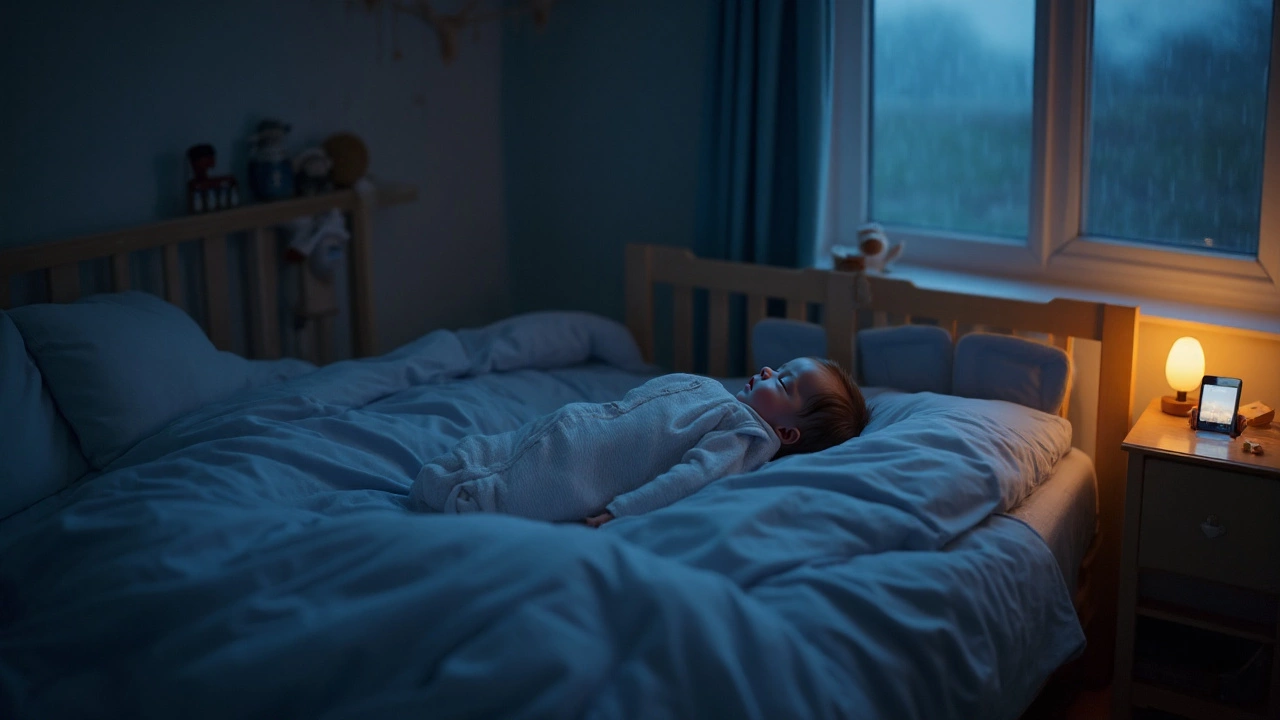
Do smart baby monitors prevent SIDS? Clear, evidence-backed answer, what they can and can’t do, safe sleep steps that cut risk, and when a monitor actually helps.