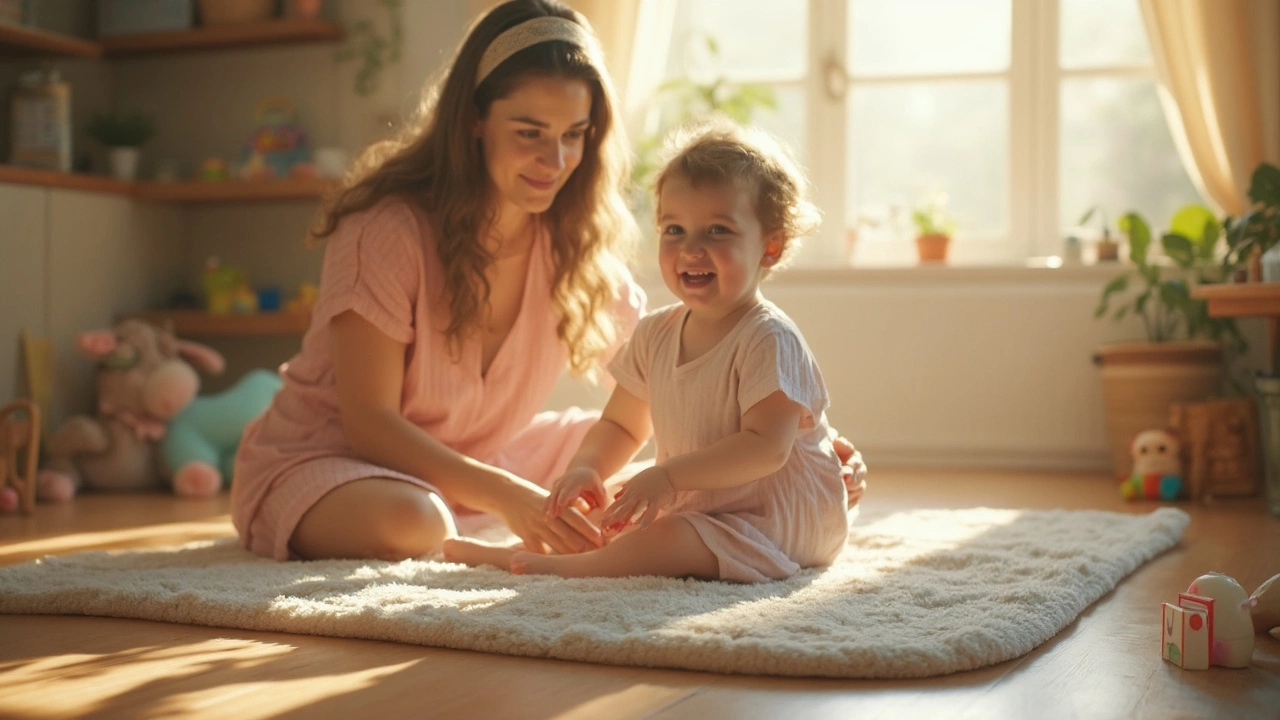
Sit Up: When Babies Learn to Sit and What It Means for Their Development
When a baby sits up, the moment a baby gains enough strength and balance to hold their torso upright without support. This is one of the most visible motor milestones in early development—and it’s not just about posture. It’s the foundation for play, feeding, and later skills like crawling and walking. Most babies start sitting with help around 4 to 6 months, and by 8 months, many can sit independently for minutes at a time. But every child moves at their own pace. If your baby isn’t sitting by 9 months, it doesn’t mean something’s wrong—it just means they’re building strength in their own time.
What makes sitting up so important? It’s not just a trick. Once a baby can sit, they gain a new view of the world. They can reach for toys, explore textures, and even start eating solid foods more easily. Their core muscles, neck control, and balance all improve together. Pediatricians look at this milestone as part of a bigger picture: infant motor skills, the physical abilities babies develop as they grow, including rolling, crawling, standing, and walking. These skills don’t happen in isolation. Sitting up often comes after good head control and before crawling, and it’s closely tied to how well a baby’s nervous system is maturing.
Some parents worry about pushing their baby to sit up too early. The truth? Babies don’t need help. You won’t speed things up by propping them with pillows or holding them upright for long periods. In fact, too much support can delay natural development. What helps most? Plenty of tummy time. When babies spend time on their stomachs, they build the back, neck, and shoulder muscles they need to eventually sit. It’s not about forcing—it’s about giving them space to discover their own strength.
There’s also a big difference between sitting with support and sitting independently. If your baby can sit with you holding them, that’s great. But if they’re still falling over when you let go, they’re still building the balance needed for true independence. Watch for signs: Do they lean forward and use their hands to catch themselves? That’s called the protective extension reflex—and it’s a good sign their body is learning to protect itself.
Some babies skip sitting altogether and go straight to crawling. Others sit for weeks before moving on. Neither is wrong. What matters is progress, not timing. If your baby isn’t showing any interest in sitting by 9 months, or seems unusually floppy or stiff, talk to your pediatrician. But for most, sitting up is just one of many quiet triumphs in the first year.
Below, you’ll find real guides from parents and experts on what to expect, what to avoid, and how to support your baby’s natural development. From safe sleep setups that don’t interfere with motor skills, to understanding how baby carriers affect posture, these posts give you practical, no-fluff advice grounded in what actually works.