Sleep Safety for Babies: What You Need to Know to Keep Your Little One Safe
When it comes to sleep safety, the practices and conditions that protect infants from harm during sleep, including proper bedding, room setup, and positioning. Also known as infant sleep safety, it’s not just about keeping your baby quiet—it’s about keeping them alive. Every year, thousands of families face the terrifying reality of SIDS, and while no one knows exactly why it happens, we do know what reduces the risk. The good news? Simple, science-backed changes can make a huge difference.
It starts with the baby sleep environment, the physical space where a baby sleeps, including the crib, mattress, bedding, and surrounding objects. No pillows. No loose blankets. No stuffed animals. That’s not just advice—it’s a rule backed by the American Academy of Pediatrics. A firm mattress with a fitted sheet is all your baby needs. And yes, that means no fancy quilts or bumper pads, even if they look cute. The SIDS risk, the chance of sudden infant death syndrome, which peaks between 2 and 4 months of age drops significantly when the sleep area is clear. Room-sharing—keeping your baby’s crib in your room for the first year—is another proven step. It doesn’t mean co-sleeping in the same bed. Just having them close enough to hear and see them makes a real difference.
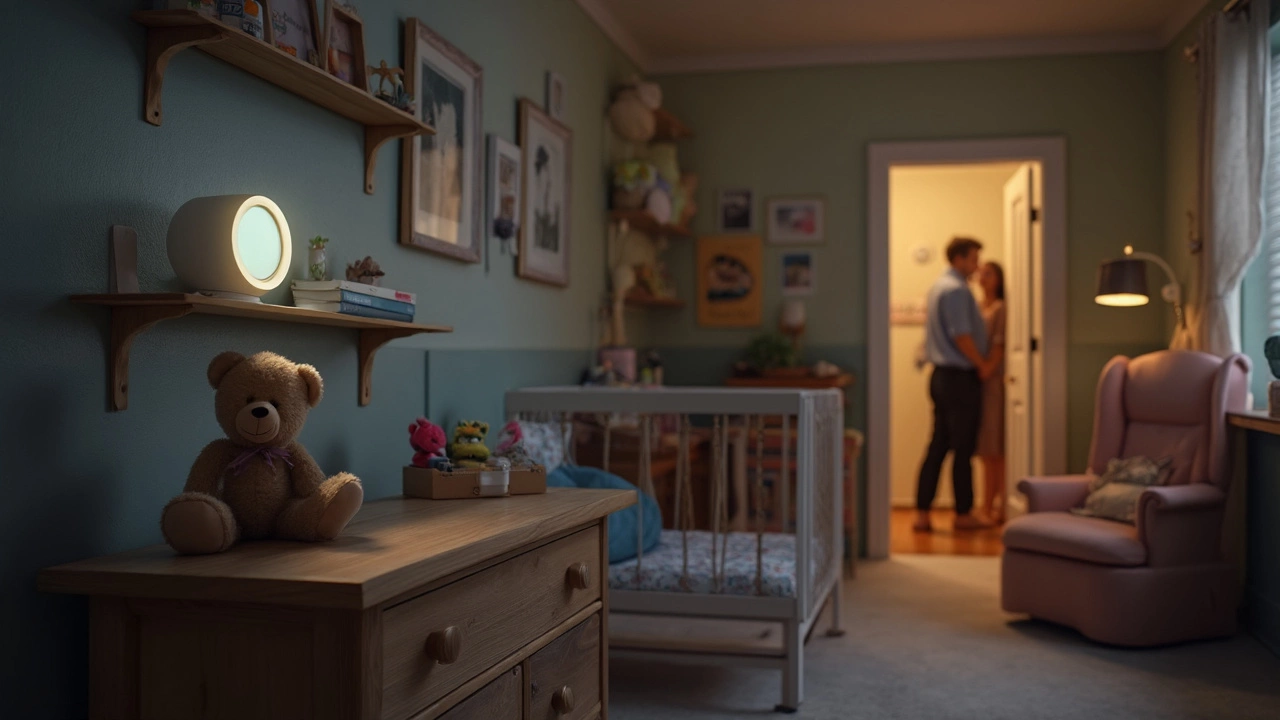
Then there’s the nursery safety, the overall design and setup of a baby’s room to prevent accidents and hazards. It’s not just about what’s in the crib. It’s about what’s near it. Unsecured furniture, dangling cords from blinds, overheated rooms, and even certain types of baby monitors can become hidden dangers. A heavy bookshelf leaning against the wall? That’s a risk. A baby monitor plugged into an outlet near the crib? That’s a risk too. And when it comes to carrying your baby, infant carrier safety, the correct use of carriers to support healthy spine development and breathing matters even when they’re awake. A carrier that doesn’t support their head or forces their chin to their chest can block their airway. It’s not about the brand—it’s about the fit.
What you’ll find below isn’t theory. It’s what real parents and pediatricians are saying right now in 2025. From the exact weeks when SIDS risk spikes, to the one thing you should never put in a nursery, to how to pick a carrier that actually supports your baby’s spine—every post here is pulled from real questions parents are asking. No fluff. No guesswork. Just clear, direct advice you can use tonight.