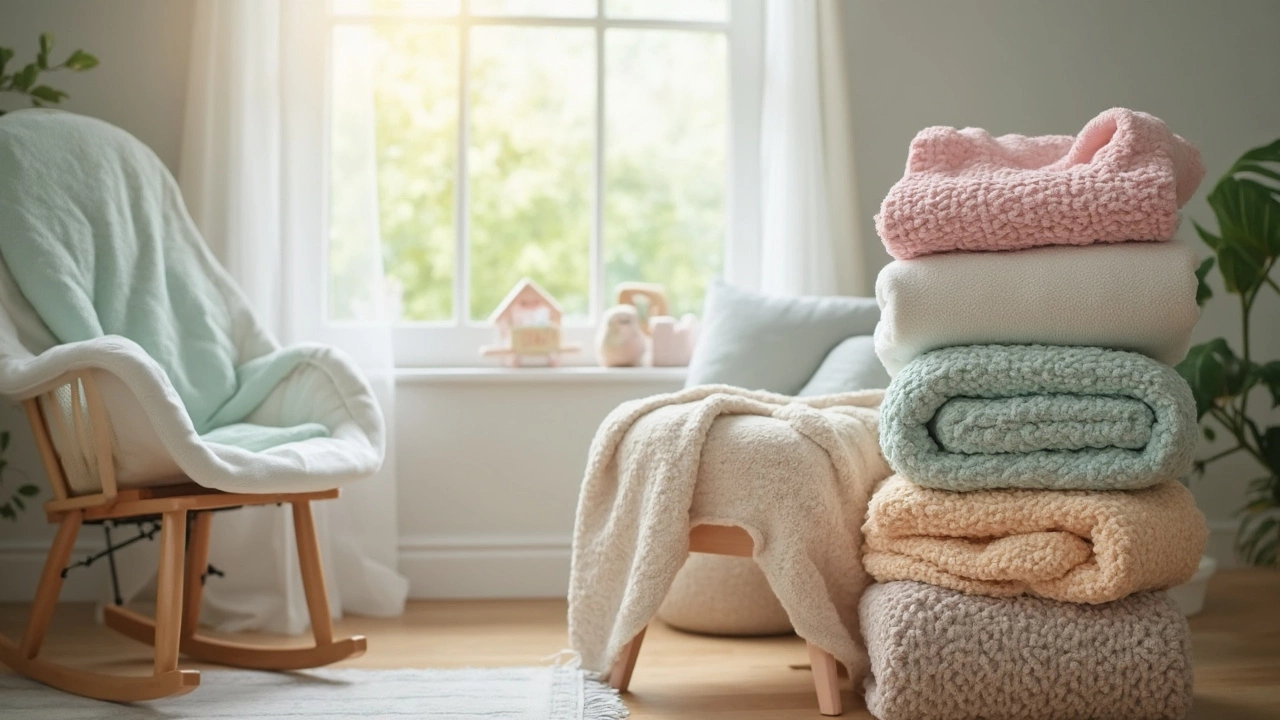
Swaddle Blankets for Babies: Safe, Breathable, and Smart Choices
When you first hold your newborn, one of the first things you’ll reach for is a swaddle blanket, a lightweight, stretchy fabric wrap designed to gently secure a baby’s arms and legs to mimic the womb and promote calm sleep. Also known as infant swaddle fabrics, these aren’t just cozy—they’re a key part of safe sleep routines recommended by pediatricians. But not all swaddles are created equal. A poorly made one can slip loose, cover your baby’s face, or trap too much heat. That’s why the best ones are made from breathable materials like cotton muslin or bamboo blends, and designed to stay snug without being tight.
Swaddle blankets relate directly to SIDS prevention, the set of practices that reduce the risk of sudden infant death syndrome, including placing babies on their backs and avoiding loose bedding. Studies show that swaddling correctly can help babies sleep longer and more safely—if the blanket doesn’t come undone. That’s why many parents now choose swaddles with Velcro or zipper closures instead of traditional wraps. And when your baby starts rolling, it’s time to stop swaddling. Most experts say that’s around 2 to 4 months, or as soon as your little one shows signs of trying to flip over.
Another key player here is breathable baby blankets, a category that includes swaddles, receiving blankets, and sleep sacks made from materials that allow air to flow through. These aren’t just about comfort—they’re a safety tool. Thick quilts, fleece, or polyester blends can trap heat and moisture, raising the risk of overheating, which is linked to SIDS. Look for lightweight, open-weave fabrics. You’ll find them in the same posts that talk about safe sleep environments, crib safety, and baby monitor use—all focused on keeping your baby secure without overdoing it.
Parents often wonder if they need dozens of swaddles. The answer? Three to five is plenty. You’ll use them for naps, bedtime, car rides, and even diaper changes. Wash them often—they get spit-up, drool, and diaper leaks. And don’t forget: a swaddle isn’t a substitute for a proper sleep sack once your baby grows out of it. The transition from swaddle to sleep sack is one of the most common milestones in early parenting.
What you won’t find in a good swaddle is fancy embroidery, heavy stitching, or plastic trim. Real safety means simplicity. That’s why the posts here focus on real-life choices—what works, what doesn’t, and what experts actually recommend. You’ll see guides on fabric types, when to stop swaddling, how to tell if your baby is too hot, and which brands actually deliver on breathability and safety. No fluff. No trends. Just what matters for your baby’s sleep—and your peace of mind.