Toddler Beds: Safe, Smart Choices for Your 2- to 4-Year-Old

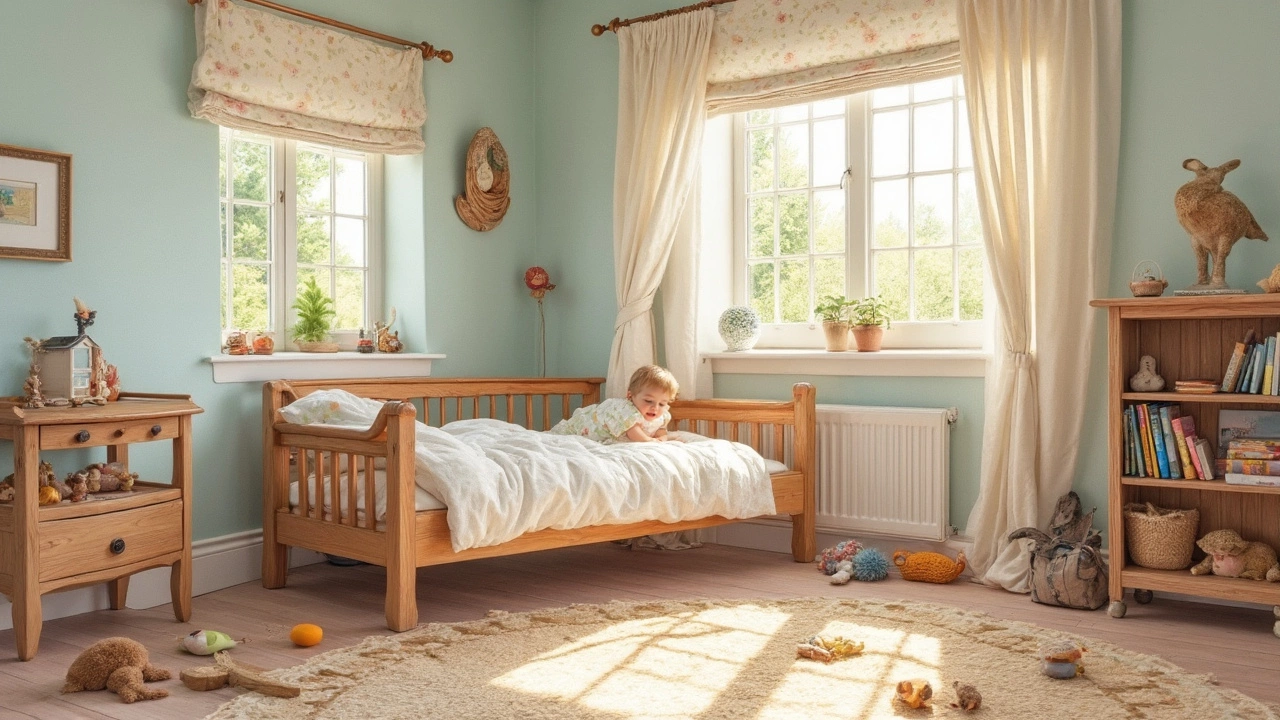
When your child outgrows the crib, a toddler bed, a low-to-the-ground bed designed for children typically aged 2 to 4 years, often transitioning from a crib. Also known as toddler transition bed, it’s not just a smaller version of a grown-up bed—it’s a safety-first step in their growing independence. Many parents assume any small bed will do, but the wrong choice can lead to falls, sleep disruptions, or even injury. A proper toddler bed fits a standard crib mattress, keeps sides low enough for easy access, and often comes with guardrails or a built-in safety frame to prevent nighttime tumbles.

The timing matters just as much as the design. Most kids move to a toddler bed between 18 months and 3 years, but signs like climbing out of the crib, showing interest in a "big kid" bed, or starting potty training often signal it’s time. Don’t rush it—some kids stay in cribs past age 3 without issue. What you need to watch for is safety, not age. Mattress size for toddler, a standard 28 x 52 inch crib mattress that fits snugly in toddler beds to prevent gaps where little limbs or heads could get trapped is non-negotiable. A gap even an inch wide can be dangerous. Also, avoid beds with tall headboards or decorative slats that could catch clothing or cause pinching.

Many toddler beds are designed to convert from a crib, saving money and space. But if you’re buying new, look for low profiles, rounded corners, and non-toxic finishes. Avoid beds with heavy hardware or sharp edges. The convertible crib, a crib that transforms into a toddler bed, daybed, or full-size bed as the child grows is a popular pick because it grows with your child and often meets the latest safety standards. Check for certifications from CPSC or ASTM—these aren’t just buzzwords, they’re proof the bed passed real-world safety tests.

Bedding matters too. Skip fluffy pillows, thick blankets, and stuffed animals until your child is at least 2. The same safe sleep rules that applied in the crib still apply here. A firm mattress, fitted sheet, and light sleepwear are all your child needs. The goal isn’t to make the room look like a theme park—it’s to make it a safe, quiet place for rest.

Some parents worry about their child getting out of bed too often. That’s normal. A toddler bed isn’t a prison—it’s a tool for independence. If your child keeps wandering, try a gate or a nightlight, not a higher rail. You’re not training them to stay in bed—you’re giving them the freedom to explore safely.

Below, you’ll find real guides from parents and experts who’ve walked this path. From the best toddler beds for small rooms to how to handle nighttime transitions without tears, these posts cut through the noise. No fluff. Just clear, practical advice you can use tomorrow.
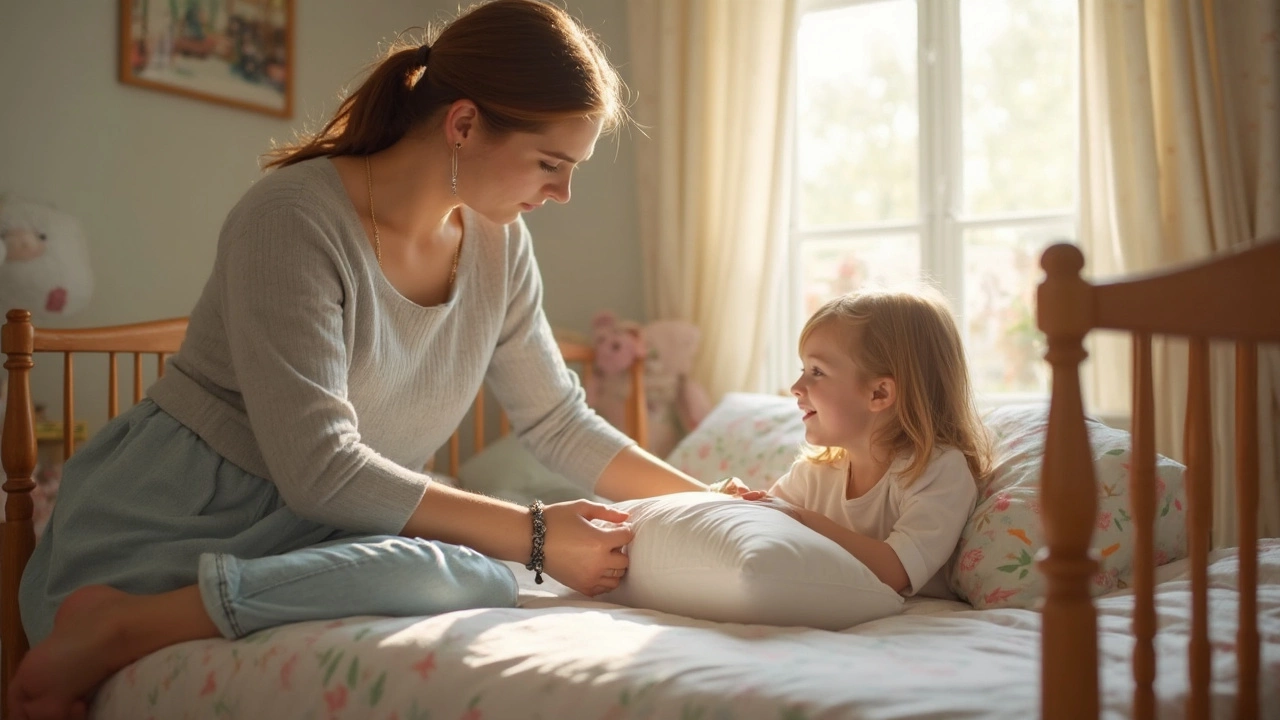
Is it Safe for a 2.5 Year Old to Have a Pillow? Toddler Bed Essentials
Aurelia Harrison 0 Comments

Is it Safe for a 2.5 Year Old to Have a Pillow? Toddler Bed Essentials

Parents wonder when it’s actually safe for toddlers to start using pillows. At 2.5 years old, your child is past the highest risk for suffocation, but there are still important safety points to consider. This article breaks down the logic behind sleep recommendations, helping you pick the right time and kind of pillow for your toddler. Find out what’s safe, what experts say, and practical tips for making bedtime cozy and secure. You’ll leave with real answers, not just vague advice.

When to Stop Sleep Sacks: Signs Your Toddler is Ready
Aurelia Harrison 0 Comments

When to Stop Sleep Sacks: Signs Your Toddler is Ready

Wondering when to retire your toddler’s sleep sack? This guide breaks down the real signs your little one might be ready to sleep without it. Find tips on safer sleep, common transition challenges, and practical steps to switch to blankets and toddler beds. Helpful advice from actual parents, not just the rulebook. Make bedtime changes with confidence.

Is Memory Foam Ok for Toddlers? What Every Parent Should Know
Aurelia Harrison 0 Comments

Is Memory Foam Ok for Toddlers? What Every Parent Should Know

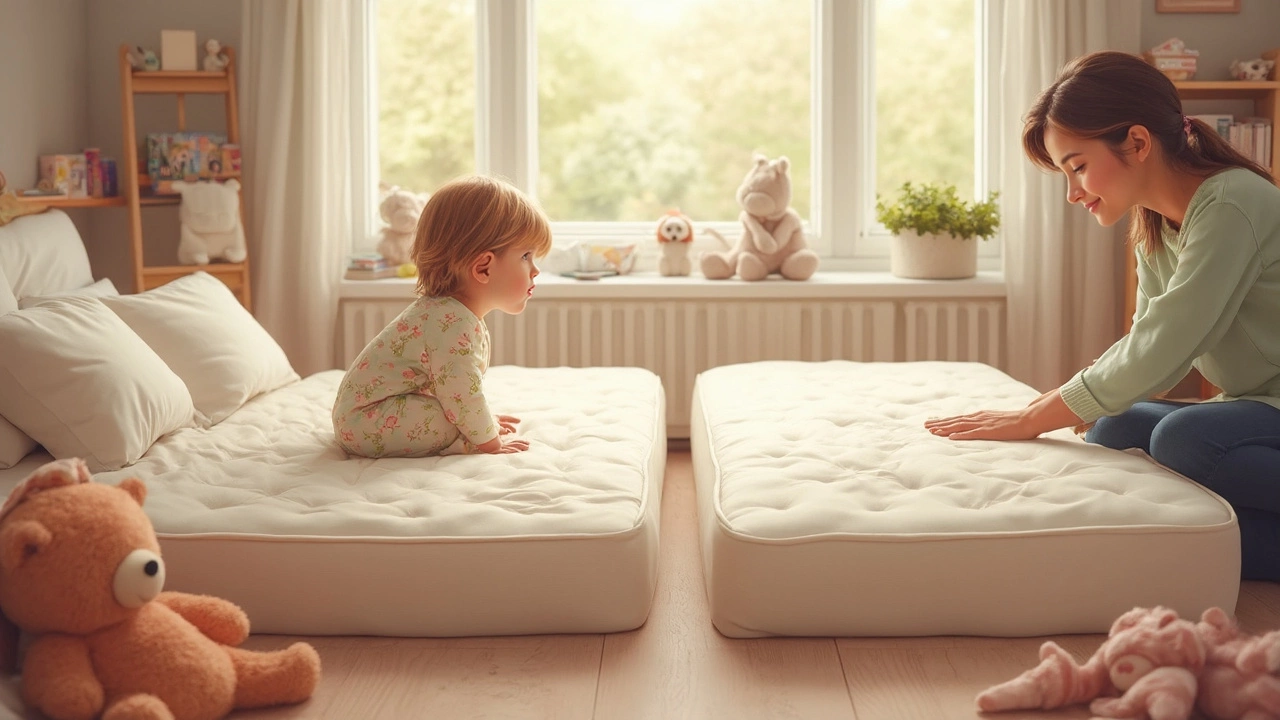
Wondering if memory foam mattresses are really safe for toddlers? This article breaks down what memory foam actually is, how it might affect growing kids, and the pros and cons compared to other mattress types. Get real tips on picking a mattress that keeps your little one comfy and safe. Stay in the know and spot common mistakes parents make when setting up a toddler bed.

Easiest Age for Potty Training: Insights and Tips
Aurelia Harrison 0 Comments

Easiest Age for Potty Training: Insights and Tips

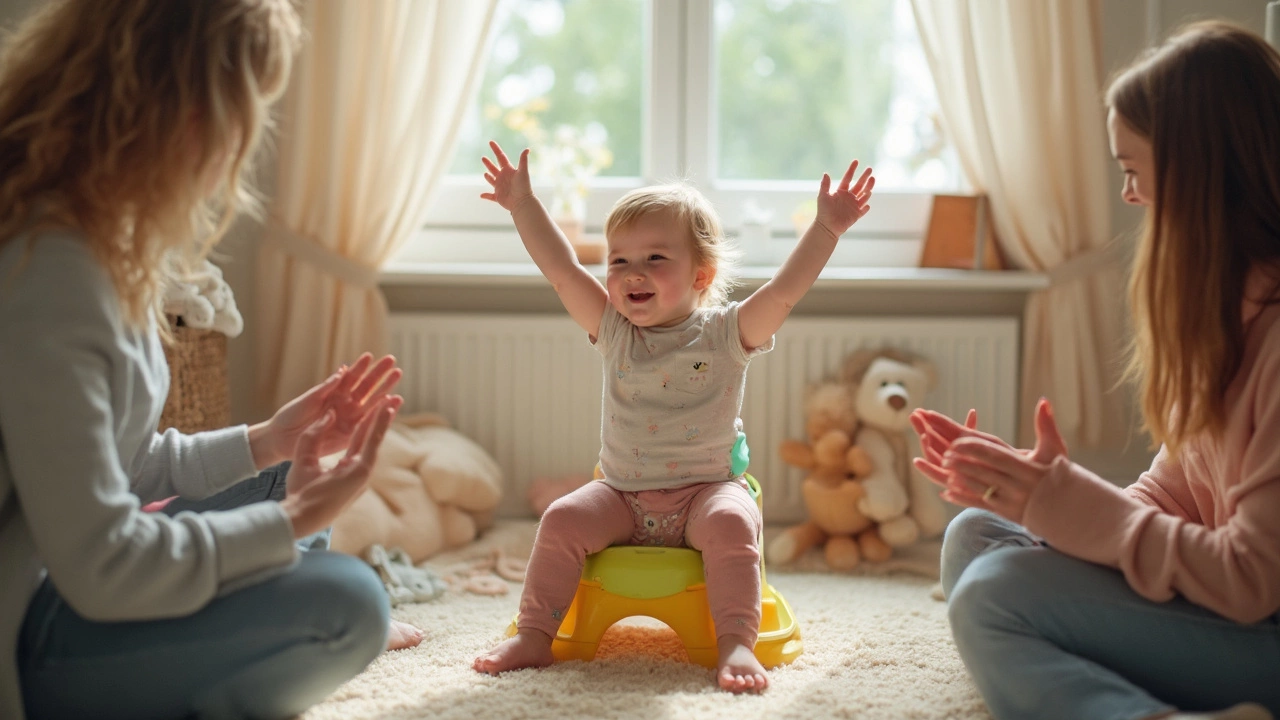
Potty training can be a milestone in your toddler's journey. Understanding when to start potty training can make the process smoother and less stressful for both parents and toddlers. This article explores the ideal age range for potty training and offers practical tips to help parents along the way. Whether your toddler exhibits readiness signs or you need tips on nighttime training, you'll find valuable insights here.

Why Floor Beds Are the Best Option for Toddlers
Aurelia Harrison 0 Comments

Why Floor Beds Are the Best Option for Toddlers

Floor beds offer a unique and beneficial sleeping option for toddlers, promoting safety, independence, and comfort. Unlike traditional cribs, floor beds eliminate the risk of falls and allow children to explore their space freely. They encourage self-reliance, as toddlers can easily access their bed. With floor beds, parents often find bedtime a smoother process, as these beds support a child’s natural bedtime routine and habits.

When Do Kids Transition from Toddler to Big Kid Beds?
Aurelia Harrison 0 Comments

When Do Kids Transition from Toddler to Big Kid Beds?

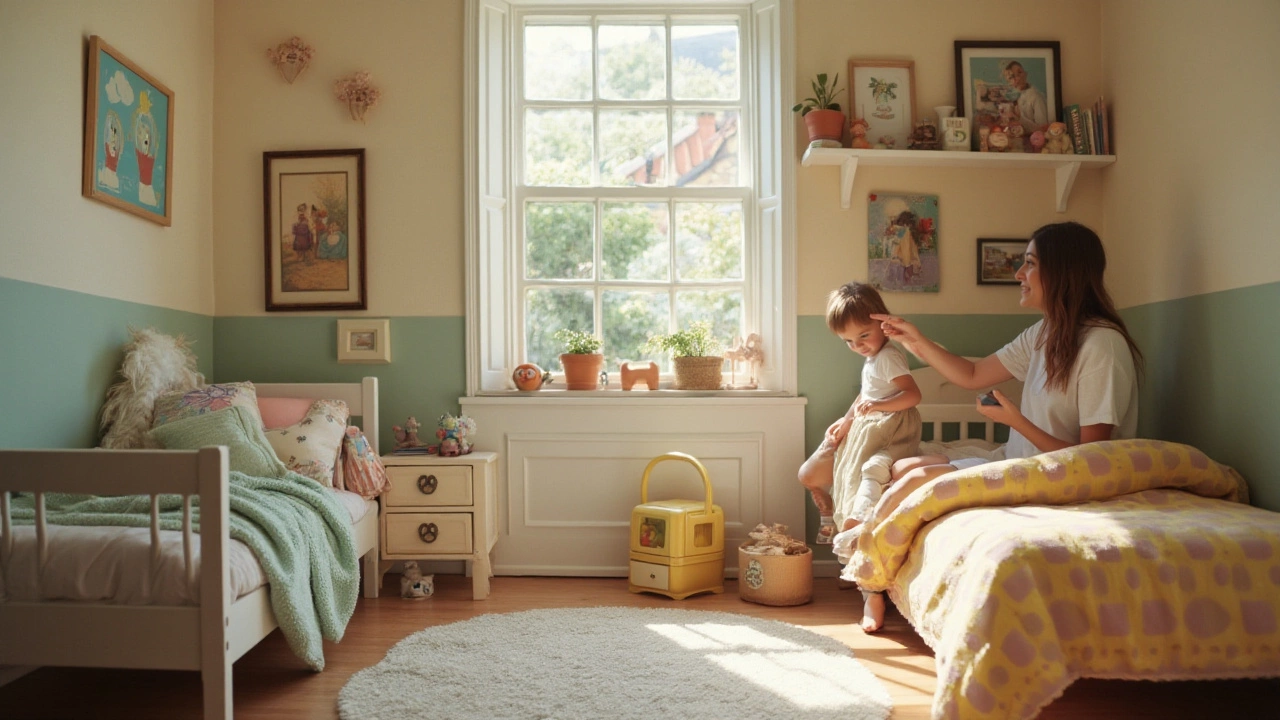
Understanding when a child is ready to move from a toddler bed to a regular-sized bed is a key aspect of parenting. Several factors such as the child's growth, comfort, and safety need to be considered. Parents often observe signs such as physical space constraints and a child's desire for a 'big kid' bed. This shift typically occurs between the ages of 4 and 6, but individual readiness varies for each child.