10‑Minute Rule for Potty Training: How It Works & When to Use It
Learn what the 10 minute rule for potty training is, when to use it, and step‑by‑step tips to help your toddler master bathroom independence.
When we talk about toddler readiness, the stage when a child shows physical, emotional, and cognitive signs they can handle new routines like sleeping in a big bed, using a stroller less, or transitioning from a crib. It’s not a fixed date on the calendar—it’s a collection of behaviors, cues, and changes that show your child is moving forward, not just growing older. Many parents feel pressured to hit milestones by certain ages, but toddler readiness is deeply personal. One child might be ready to sleep in a big bed at 22 months. Another might still need a crib at 3.5 years—and that’s perfectly normal.
What really matters are the signals. Is your toddler climbing out of the crib? That’s not just mischief—it’s a sign their body is ready for more freedom. Are they starting to refuse the stroller after short walks? That’s not tantrum behavior—it’s growing independence. And when your child starts asking for a blanket at night instead of being swaddled, that’s not just a preference—it’s a sign their sensory needs are changing. These aren’t random events. They’re part of a larger pattern called toddler development, the process by which children gain control over their bodies, emotions, and understanding of the world around them. This development shapes everything: how they sleep, how they move, even how they react to new toys or routines.
And it’s not just about the child. Toddler readiness also means understanding what’s safe, what’s realistic, and what’s truly necessary. For example, switching from a bassinet to a crib isn’t just about space—it’s about safety standards. Moving from a car seat to a booster isn’t just about height—it’s about bone strength and seatbelt fit. Even something as simple as choosing a stroller isn’t just about convenience—it’s about whether your child’s spine and hips are ready for upright sitting. These are all pieces of the same puzzle: child milestones, the key achievements in motor skills, language, and social behavior that mark healthy growth. And while every child hits them differently, knowing what to watch for helps you make smarter, calmer decisions.
You’ll find posts here that cut through the noise. No fluff. No guesswork. Just real talk about when kids stop using strollers, what makes a toddler bed truly safe, how to know if your baby’s sleep environment is still right, and why some baby carriers support healthy spine development while others don’t. These aren’t abstract theories—they’re based on what pediatricians, child development experts, and real parents have seen work. Whether you’re wondering if your 2-year-old is ready for a big kid bed or if you should ditch the stroller for good, the answers are here—not in one-size-fits-all rules, but in clear, practical signs you can spot today.
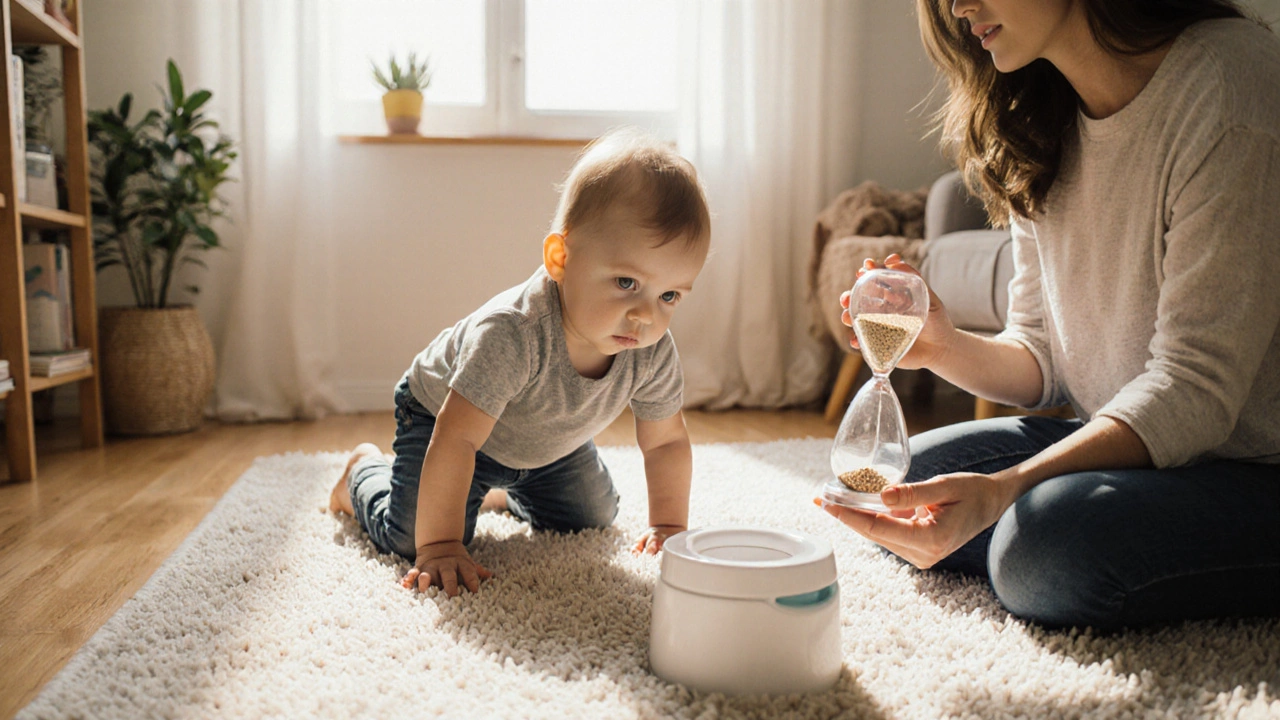
Learn what the 10 minute rule for potty training is, when to use it, and step‑by‑step tips to help your toddler master bathroom independence.