Toddler Safety: Essential Tips for a Secure Home and Daily Life
When we talk about toddler safety, the practical steps parents take to protect children aged 1 to 3 from everyday hazards. Also known as child safety at home, it’s not about making your house a museum—it’s about removing the quiet dangers that can turn a normal day into a crisis. Most accidents with toddlers happen right where you’d least expect them: the living room, the bathroom, or even while they’re strapped into a carrier.
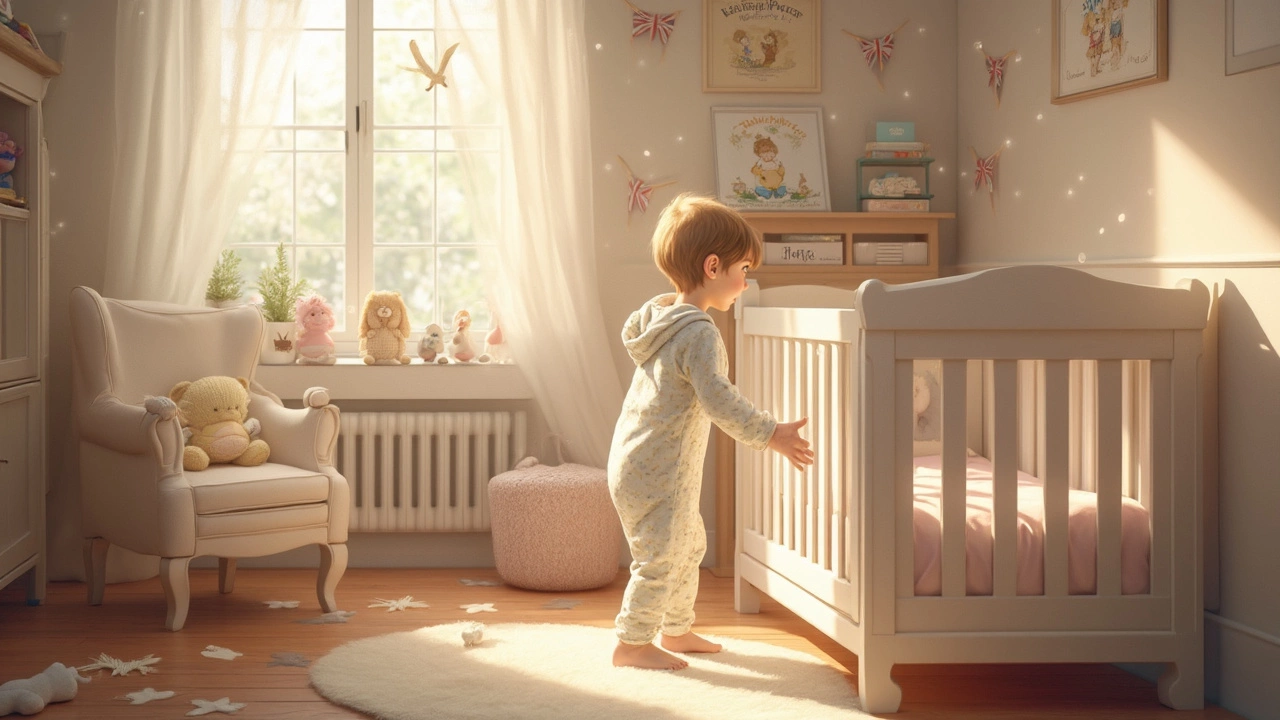
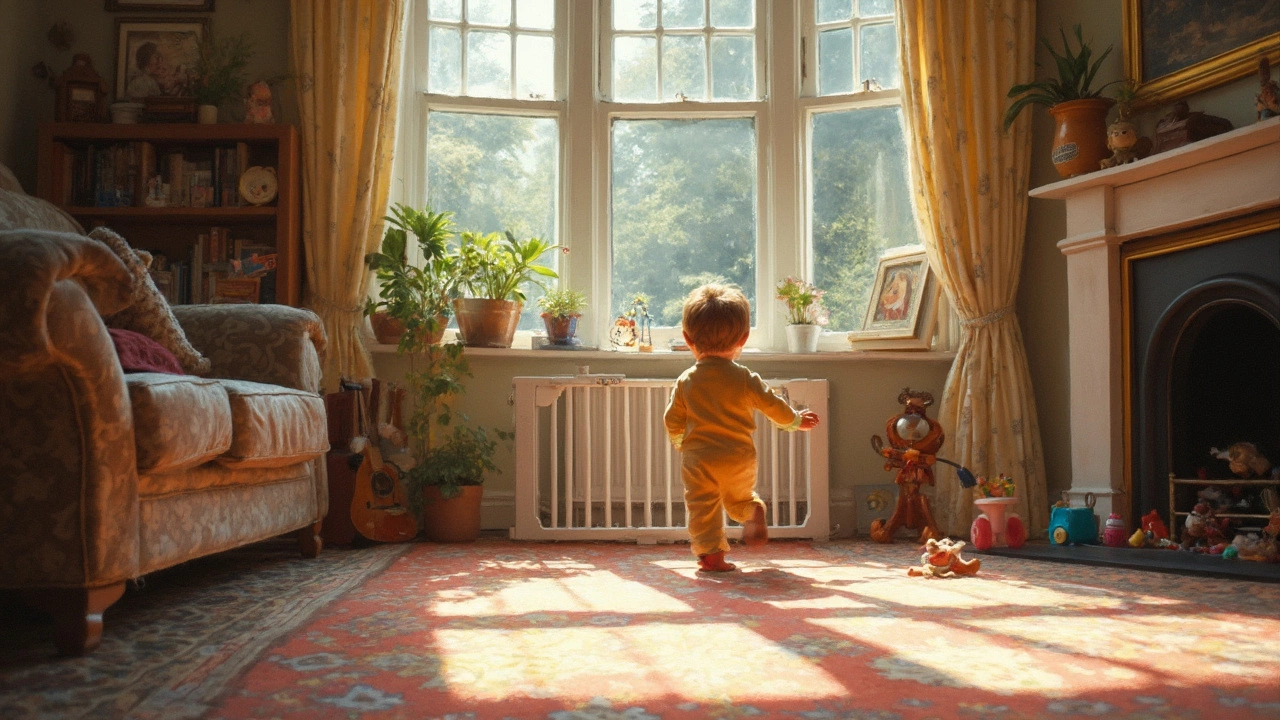
Think about baby proofing, the process of making your home safer for mobile toddlers by securing furniture, covering outlets, and blocking access to dangerous areas. It’s not just about gates and corner guards. A top-heavy bookshelf can fall. A loose curtain cord can strangle. A bottle left on the edge of a table? That’s not a spill—it’s a fall risk. And toddler sleep safety, how you set up your child’s sleeping space to reduce risks like SIDS and suffocation. It’s not about how cute the crib looks—it’s about what’s inside it. No pillows. No loose blankets. No stuffed animals. The American Academy of Pediatrics says this isn’t optional—it’s life-saving.
Then there’s infant carrier safety, the correct way to use baby carriers, slings, and car seats to support healthy spine development and prevent breathing issues. A carrier that looks stylish doesn’t mean it’s safe. If your toddler’s chin is pressed to their chest, their airway is at risk. Pediatricians warn that poor positioning in carriers can cause long-term neck and spine problems. And it’s not just carriers—strollers, car seats, and even high chairs need checks. Are the straps tight enough? Is the harness buckled correctly? Is the seat stable? These aren’t extra steps. They’re the baseline.
You don’t need to live in a bubble. But you do need to know where the real dangers hide. A lot of parents focus on sharp corners and electric sockets, but the biggest threats are often invisible: unsafe sleep setups, poorly fitted gear, or furniture that hasn’t been anchored. The posts below give you the exact checks, the real-life mistakes, and the simple fixes that actually work. No fluff. No fearmongering. Just what you need to keep your toddler safe—without losing your mind.