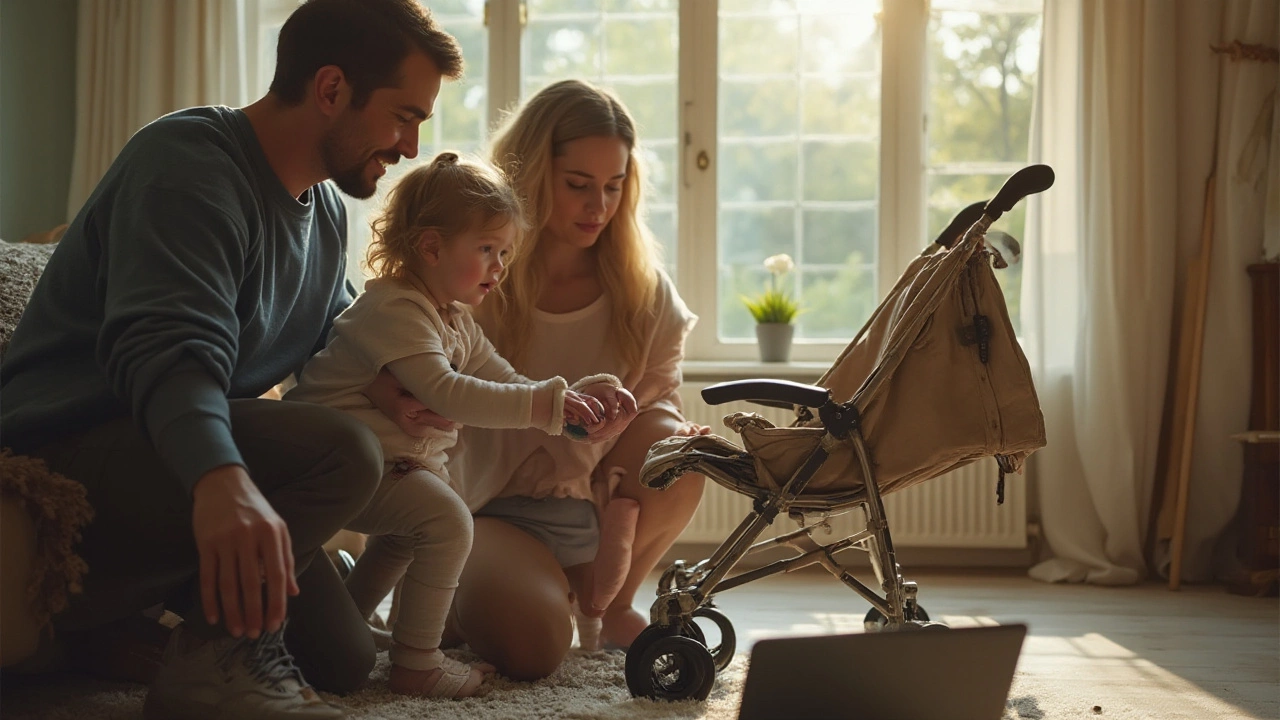
Used Strollers: What to Look For and When They Make Sense
When you’re looking for a used stroller, a secondhand baby stroller designed for transporting infants and toddlers. Also known as a secondhand stroller, it’s a practical choice for many families balancing budget and need. Not every used stroller is a good buy, though. A stroller that’s been dropped, modified, or worn out can be unsafe—even if it looks fine on the outside. The key is knowing what to check before you take it home.
Stroller safety starts with the frame, wheels, and harness. Look for cracks in the plastic, wobbly joints, or rust on metal parts. The five-point harness should snap shut cleanly and adjust without sticking. If the brakes don’t hold firmly on a slight incline, skip it. Older models might not meet current safety standards—like the 2015 ASTM F833 updates—which means they could lack features like a secure locking mechanism or proper weight limits. Always check the manufacturer’s recall list by searching the model number online. A stroller made before 2010 should raise red flags unless you’ve verified its safety history.
Comfort matters too. A worn-out canopy won’t shield your baby from sun or rain. Stiff or noisy wheels make pushing over uneven pavement a chore. Check the seat padding—if it’s flat, torn, or smells like mildew, it’s not worth the risk. Some parents love used strollers because they’re lighter, simpler, and cheaper than high-end models. But if your child has special needs, or you need features like recline, storage, or compatibility with a car seat, a new model might be the smarter long-term choice. The best used strollers come from families who cared for them well: clean, unmodified, and used for only a year or two.
Where you buy matters. Don’t grab one from a garage sale without testing it. Trusted resale sites, consignment shops, or friends who’ve used it daily give you better insight. Ask for the original manual—some brands offer free replacement parts if you have the model number. And remember: if it’s too good to be true—like a brand-new-looking stroller for $20—it probably is.
There’s no shame in buying used. Many families do it, and with the right checks, you can save hundreds without sacrificing safety. But don’t rush. Take your time. Test the brakes. Pull the harness. Look under the seat. If it passes all those, it’s likely a solid pick. If not, keep looking. Your child’s safety isn’t a place to cut corners.
Below, you’ll find real questions parents are asking about strollers—from when to switch from a bassinet to a regular seat, to why some kids still need one past age three. These aren’t just tips—they’re lessons from parents who’ve been there.