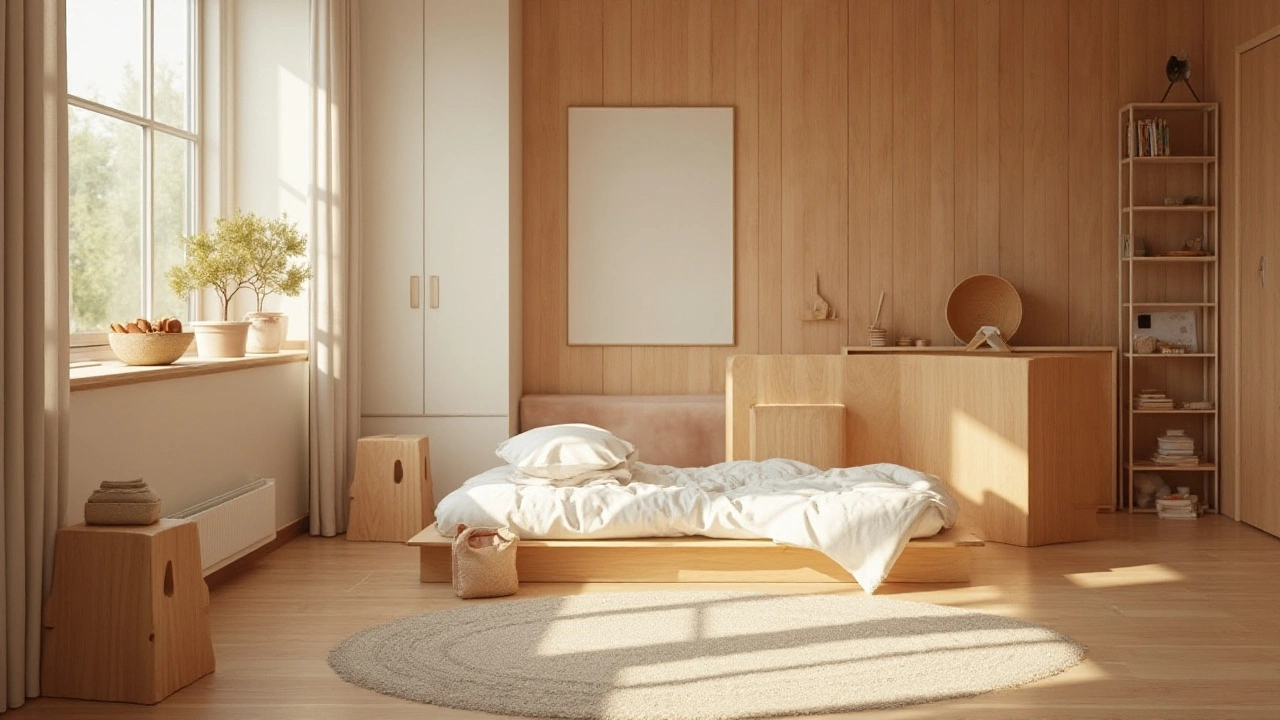
What Furniture to Get for Nursery? The Essential Guide for 2026
Nursery Furniture Priority Planner
Configuration
Your Nursery Setup
$0 TotalYou walk into the empty room. It’s just four walls and a floor. Then you realize you have about six weeks before the baby arrives, and suddenly that empty space feels like a project manager yelling at you to finish a deadline. You need a place for the baby to sleep, a place to change diapers, and a place for you to survive the 3 AM feedings. But looking at the endless aisles of pastel-colored wood and fabric can feel overwhelming.
Here is the truth: you don’t need a matching set. You don’t need expensive designer pieces that cost more than your car payment. What you actually need is a functional, safe, and durable setup that works for *you* as much as it works for the baby. Let’s break down exactly what furniture belongs in a nursery, what you can skip, and how to arrange it so you aren’t tripping over toys in the dark.
The Non-Negotiables: Start with Sleep
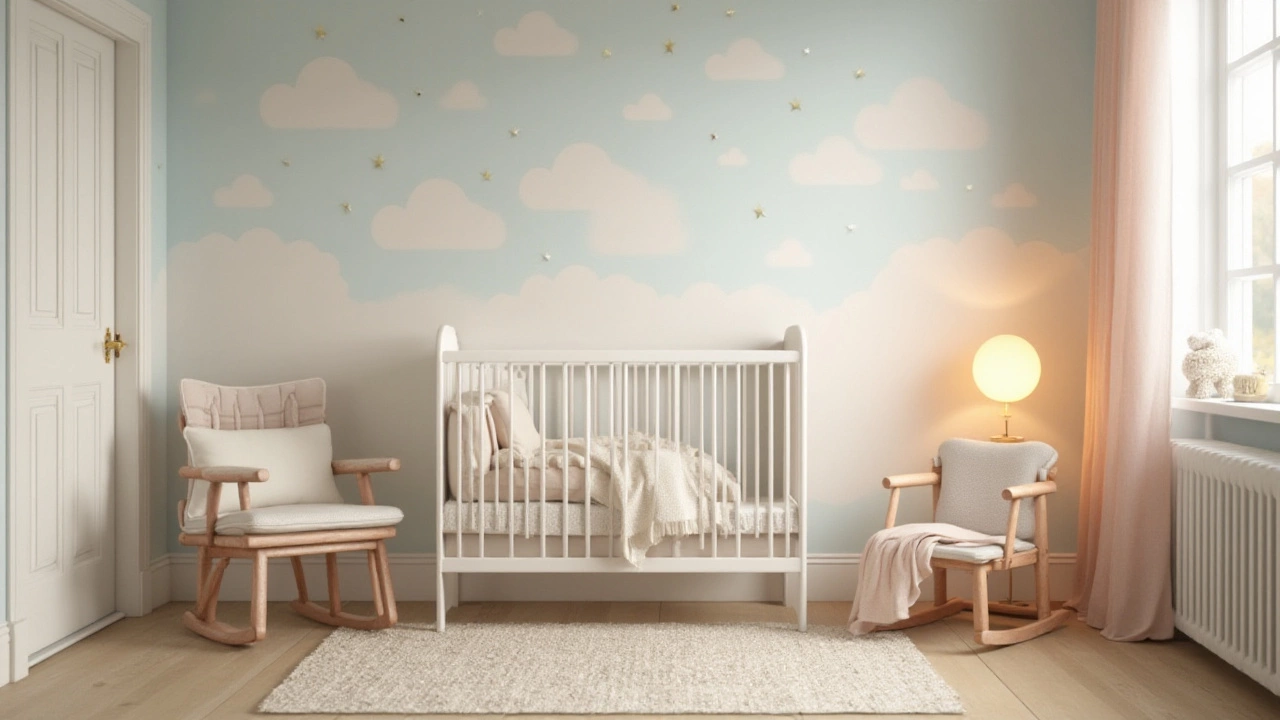
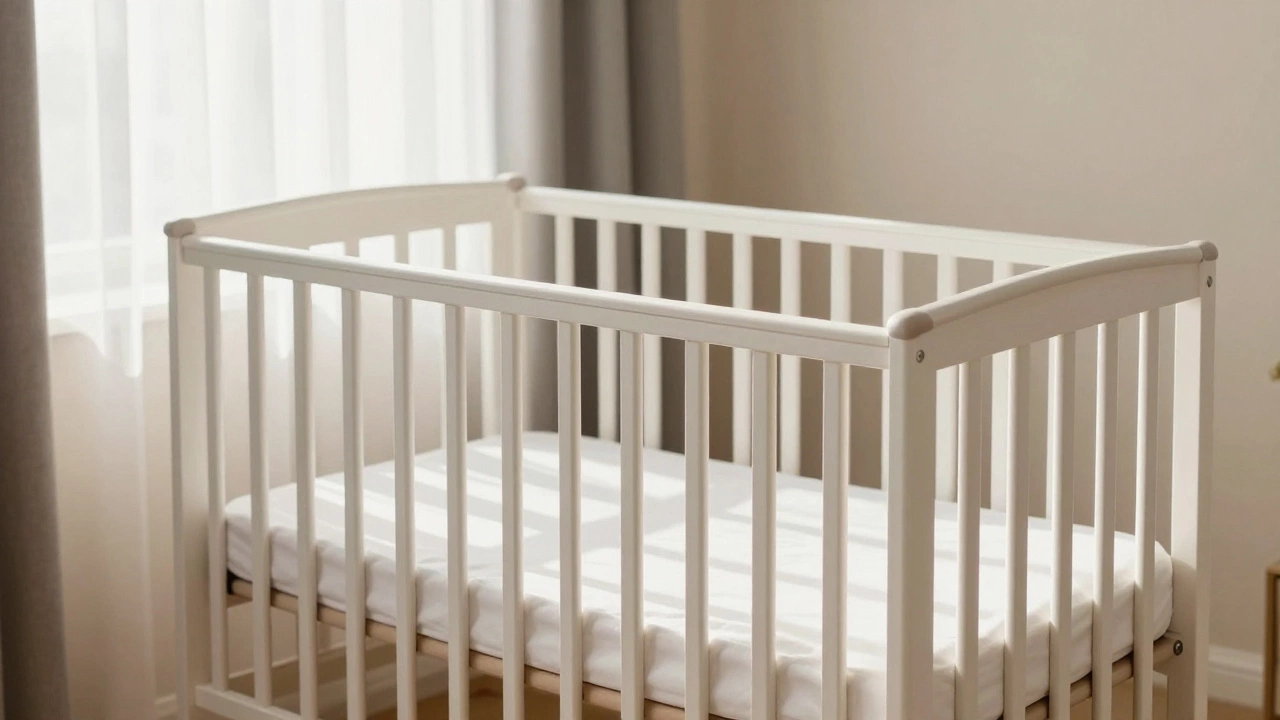
If you buy only one piece of furniture for the nursery, make it the crib, which is the primary sleeping structure for infants and toddlers designed with high sides to prevent falls. This is where your child will spend roughly 14 to 16 hours a day for the first year or two. Everything else is secondary.
When picking a crib, forget the fancy drop-side models (they’ve been banned for years due to safety risks) and focus on stability. You want a crib that doesn’t wobble when you’re lifting a squirming toddler out of it. Look for JPMA certification, which ensures the slats are spaced no more than 2 3/8 inches apart-this prevents heads from getting stuck.
Should you get a convertible crib? In 2026, yes. A standard crib converts into a toddler bed, then often a daybed, and finally a full-size bed. It’s an investment, but it saves you from buying three separate beds over five years. If you’re on a tight budget, a used crib from a friend or family member is perfectly fine, provided it hasn’t been recalled and meets current safety standards. Just check the label; if it was made after June 28, 2011, it likely meets modern CPSC guidelines.
- Safety First: Ensure hardware is tight and non-toxic finishes are used.
- Mattress Fit: The mattress must be firm and fit snugly. If you can fit two fingers between the mattress and the side of the crib, it’s too loose.
- Placement: Keep the crib away from windows, blinds (cord strangulation risk), and heaters.
The Changing Station: Convenience Over Style
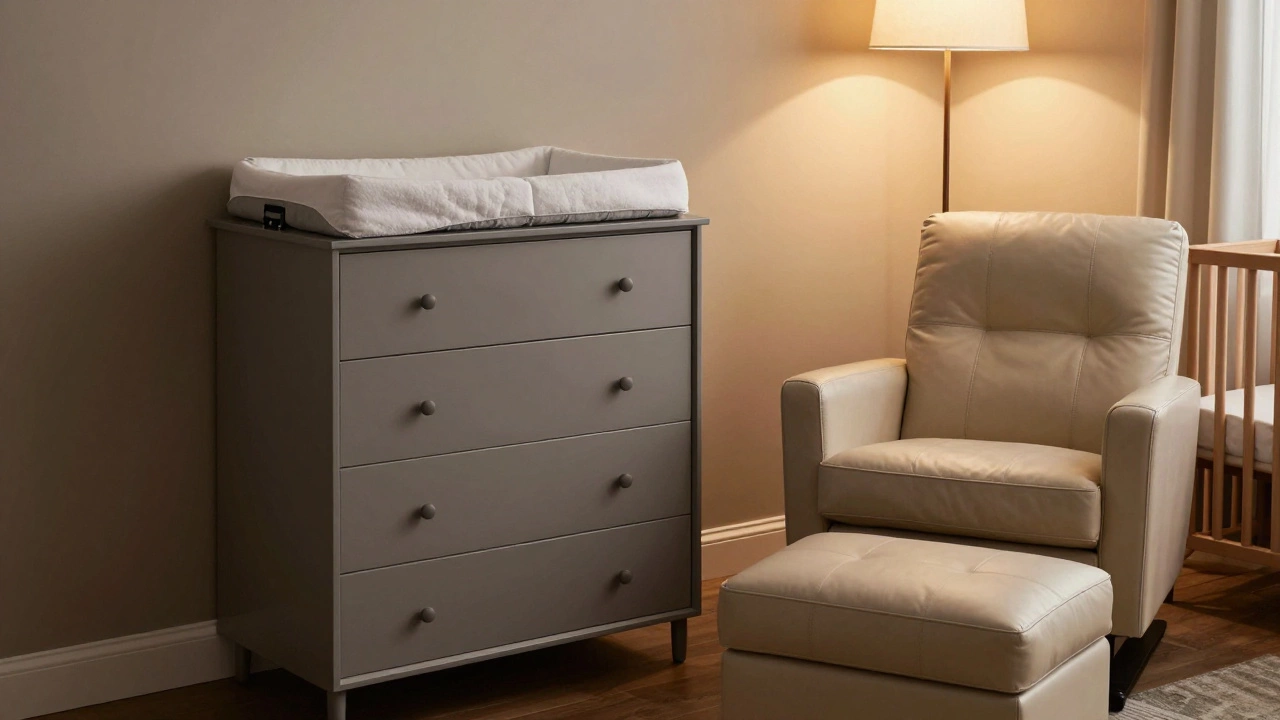
Next up is the changing table, a raised surface equipped with pads and safety straps for diaper changes. Here is a controversial take: you do not need a dedicated changing table. Many parents find that a tall dresser with a changing pad on top is superior. Why? Because once the baby grows, you still need storage for clothes. A standalone changing table becomes useless junk within two years.
If you go the dresser route, pick one with deep drawers. Diapers, wipes, creams, and spare onesies vanish quickly. Anchor the dresser to the wall. I cannot stress this enough. Toddlers are climbing machines. If they climb onto a heavy wooden dresser, it can tip over. Use anti-tip brackets; they are cheap and life-saving.
For those who prefer a standalone unit, look for one with shelves underneath. These are great for storing bulk supplies while keeping daily essentials within arm's reach. However, ensure the surface has raised edges or a lip to prevent the baby from rolling off during those moments when you have to turn your head to grab a wipe.
| Feature | Dedicated Changing Table | Dresser with Pad |
|---|---|---|
| Lifespan | Short (1-2 years) | Long (5+ years) |
| Storage Capacity | Low to Medium | High |
| Cost Efficiency | Lower initial cost | Higher initial cost, better value |
| Safety Risk | Medium (if unanchored) | High (must anchor securely) |
The Parent’s Throne: Gliders and Rockers
You might think the furniture is for the baby, but let’s be honest: the glider chair, also known as a nursery rocker, is primarily for parents to sit comfortably during feeding and soothing sessions. You will live in this chair. You will spill milk on it. You will nap in it. You will cry in it. Make sure it’s comfortable.
Glider chairs are generally preferred over traditional rockers because they move smoothly without hitting the wall behind them. This is crucial in small nurseries. Look for a chair with wide arms. When you’re holding a newborn, having a place to rest your elbows or prop up a nursing pillow makes a huge difference. Also, consider the material. Leather or faux leather is easy to wipe clean, which is a blessing when dealing with spit-up. Fabric looks cozy but holds stains and odors.
Don’t forget an ottoman. Your feet will swell during pregnancy, and later, you’ll need somewhere to rest them while rocking the baby to sleep. An ottoman also doubles as extra seating for visitors or a footrest for you.
Storage Solutions: Keeping the Chaos at Bay
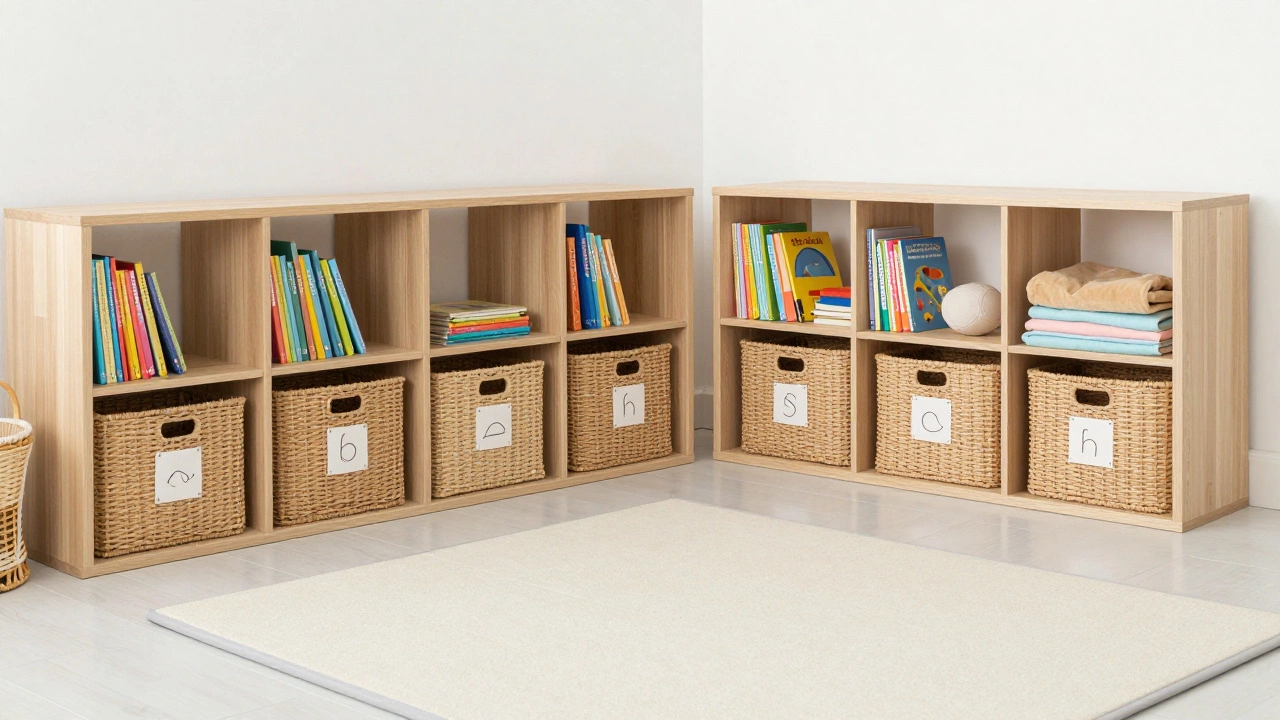
Babies come with stuff. Lots of it. Books, toys, blankets, stuffed animals. Without proper storage, your nursery will look like a thrift store explosion within months. A bookshelf is essential, but keep it low. A low bookshelf allows older babies and toddlers to access their books independently, fostering early literacy habits.
Baskets and bins are your best friends here. Label them. “Blocks,” “Stuffed Animals,” “Blankets.” It helps you put things back and teaches kids organization skills early on. Open shelving is visually appealing but collects dust. If you have allergies, closed cabinets or baskets are better. Remember, you are cleaning this room, not the baby.
What to Skip: The Clutter Traps
Not everything marketed as “nursery furniture” is necessary. Here are a few items you can safely skip:
- Hammocks and Bouncers: While cute, these are temporary gadgets, not furniture. They take up floor space and become hazards if left unattended. Stick to the crib for sleep.
- Matching Sets: Don’t feel pressured to buy a crib, dresser, and changer that all match perfectly. Mixing styles often looks more curated and less like a catalog photo. Plus, you can replace individual pieces as needed.
- Expensive Decor: Wallpaper, murals, and themed decor age poorly. Babies grow out of “space themes” and “jungle prints” fast. Paint the walls a neutral color and use rugs and textiles for personality. You can swap a rug easily; you can’t peel wallpaper without damage.
Safety Checklist Before You Move In
Before you bring the baby home, run through this mental checklist. Safety isn’t just about buying certified products; it’s about how you install and use them.
- Anchoring: Every tall piece of furniture (dresser, bookshelf, changing table) must be anchored to the wall studs.
- Cord Management: Ensure window blind cords are out of reach or replaced with cordless alternatives. Keep electrical cords for monitors and humidifiers tucked away.
- Air Quality: If you bought new furniture, let it air out for a few days. New wood and fabrics can off-gas volatile organic compounds (VOCs). Open windows and run fans.
- Temperature Control: Place the crib away from vents and direct sunlight. Use a room thermometer to keep the temperature between 68°F and 72°F (20°C - 22°C).
Arranging the Room for Flow
Finally, think about flow. Where does the door open? Don’t block it with the crib. Place the changing station near a outlet for a nightlight, but not right next to the door where drafts might hit the baby. Position the glider facing the crib so you can monitor the baby while sitting. Leave enough floor space for a play mat later on. Babies start crawling around six months, and you’ll want clear space for them to explore safely.
Creating a nursery is about balancing aesthetics with reality. It won’t stay perfect. It will get messy. But if you focus on safety, durability, and comfort, you’ll have a space that supports both you and your child through the chaotic, beautiful early years.
Do I need a bassinet if I have a crib?
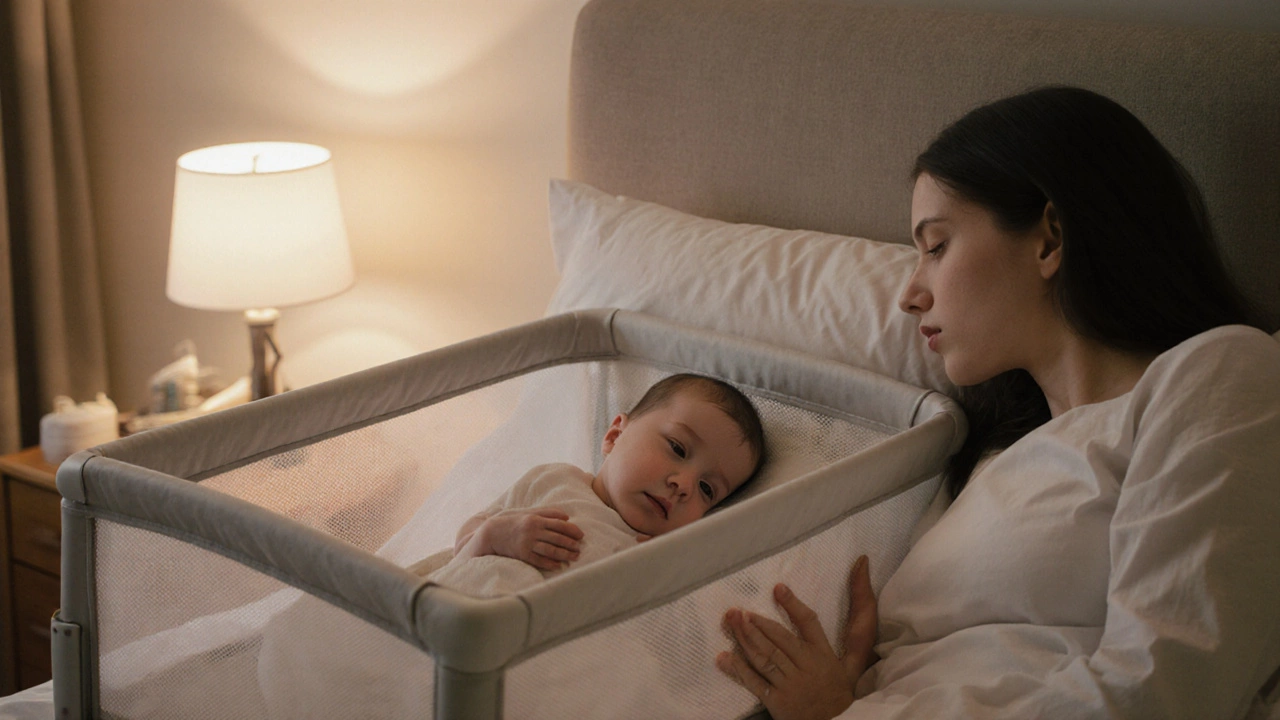
No, a bassinet is not strictly necessary if you have a safe crib. Bassinets are convenient for the first few months because they are portable and allow you to keep the baby close at night, but they expire quickly. Many parents skip them to save money and space, opting instead to co-sleep safely in the same room using the crib.
How high should a changing table be?
A changing table should be at waist height for the primary caregiver to prevent back strain. This is typically between 30 and 36 inches. If you are using a dresser, ensure the changing pad sits securely on top and doesn't slide. Never leave a baby unattended, even for a second.
Is it better to buy new or used nursery furniture?
Used furniture can be a great option, especially for cribs and dressers, as long as it meets current safety standards. Check for recalls on the CPSC website. Avoid used mattresses, as they may harbor bacteria or sag over time. For items like gliders, new is often better for hygiene reasons unless you can thoroughly sanitize the upholstery.
Can I put a crib under a window?
It is generally recommended to avoid placing a crib directly under a window. Windows pose risks from falling objects, cold drafts, and most importantly, window blind cords which are a strangulation hazard. If you must place it near a window, ensure blinds are cordless and the crib is far enough away that the baby cannot reach them.
What is the best mattress for a newborn crib?
The best mattress for a newborn is firm and flat. Soft mattresses increase the risk of SIDS (Sudden Infant Death Syndrome). Look for a crib mattress that fits snugly with no gaps larger than two fingers. Both innerspring and foam options are acceptable as long as they meet firmness standards and are waterproof for easy cleaning.