What is the Most Important Item in a Nursery? A Parent’s Guide
Nursery Safety & Comfort Calculator
Based on Canadian Paediatric Society and Health Canada guidelines, this tool helps you evaluate if your current or planned nursery setup meets critical safety and comfort standards for infants aged 0-24 months.
Safety Score
Expert Tip
Remember: The crib is the most important item because it is where your child spends 14–17 hours a day. Ensure the mattress is firm and fits snugly. If your score is below 80, prioritize fixing the issues marked in red before introducing decorative items.
You’re staring at a Pinterest board that has three hundred pins for "dream nurseries." You’ve got swaddles that cost more than your first car payment. You’ve got a diaper pail with a foot pedal that feels like it belongs on a spaceship. But then you ask yourself: what actually matters? If you could only keep one thing in that room, what would it be?
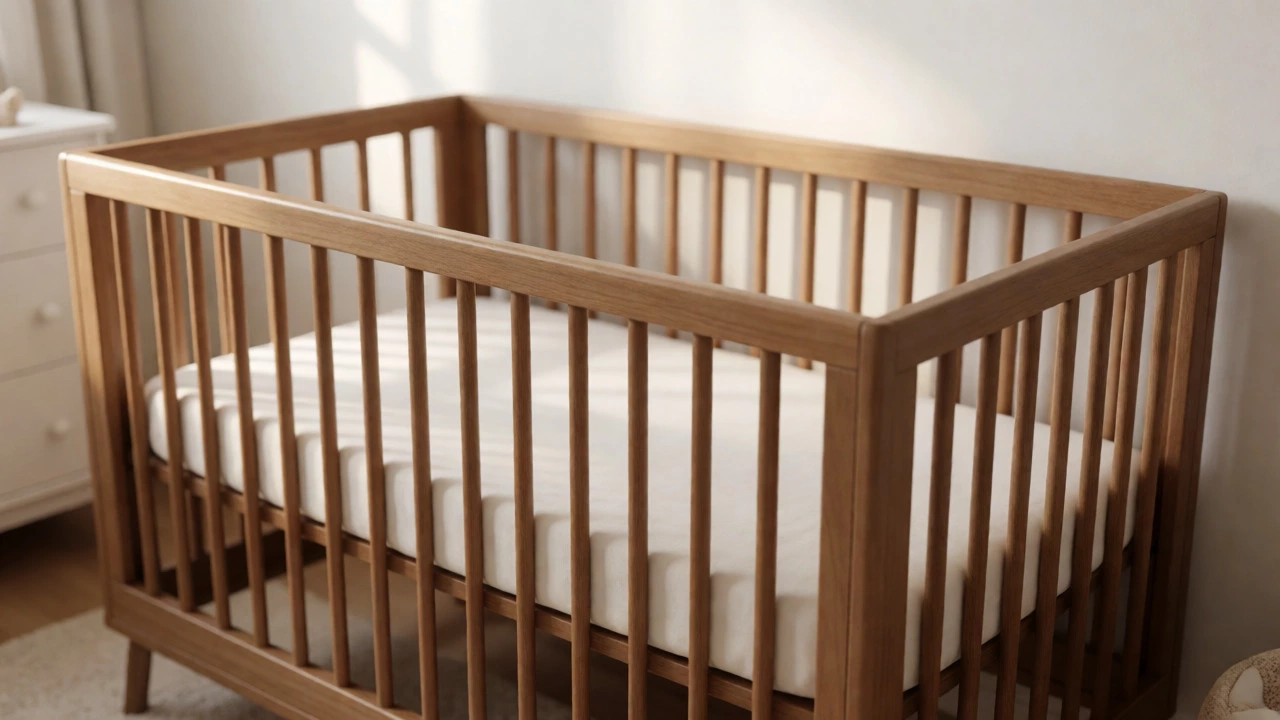
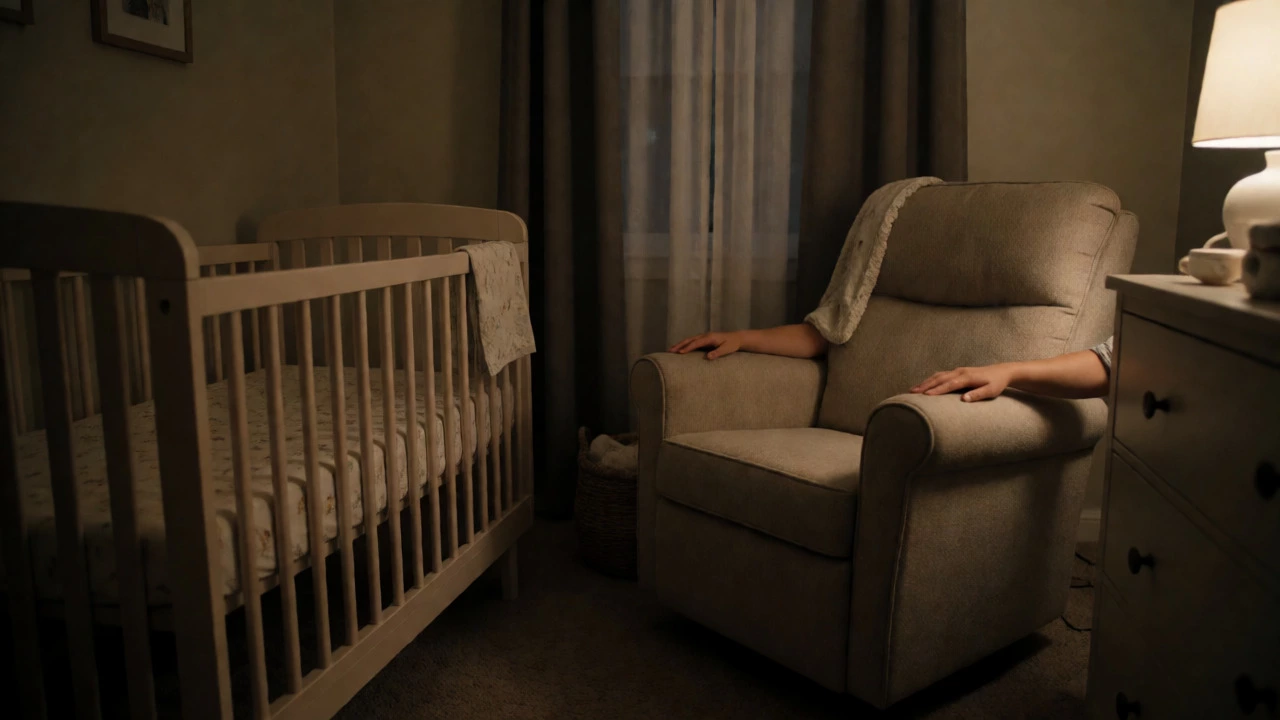
It’s not the changing table. It’s not the rocking chair (though your back will thank you later). The single most important item in any nursery is the baby crib. Why? Because it’s where your child spends roughly 14 to 17 hours a day in the first few months. It’s their primary environment. It’s the one piece of furniture that directly impacts safety, development, and your sanity.
Why the Crib Takes the Throne
Think about how much time you spend sleeping. Now multiply that by three or four because babies do it way more often. The crib isn’t just a bed; it’s a micro-environment. In Canada, the Canadian Paediatric Society (CPS) and Health Canada have strict guidelines for infant sleep spaces. They don’t say these things lightly. They say them because every year, preventable sleep-related incidents happen.
A high-quality crib provides a flat, firm surface that supports spinal alignment during rapid growth phases. Cheap cribs often sag over time. That sagging creates an uneven surface, which can lead to discomfort or even positional plagiocephaly (flat head syndrome). When you invest in a solid crib, you’re investing in structural integrity that lasts through multiple stages-newborn to toddler.
Also, let’s talk about safety standards. Not all cribs are created equal. In North America, we follow ASTM International standards. These rules dictate slat spacing (no more than 2 3/8 inches apart), hardware durability, and finish toxicity. If you buy a random crib from a discount bin without checking for certification, you’re gambling with your child’s airway and limbs. This is why the crib outweighs the dresser or the bookshelf in importance hierarchy.
Safety First: What Makes a Crib "The One"?
So, you know the crib is the MVP. But how do you pick the right one? It’s not about looks. It’s about engineering.
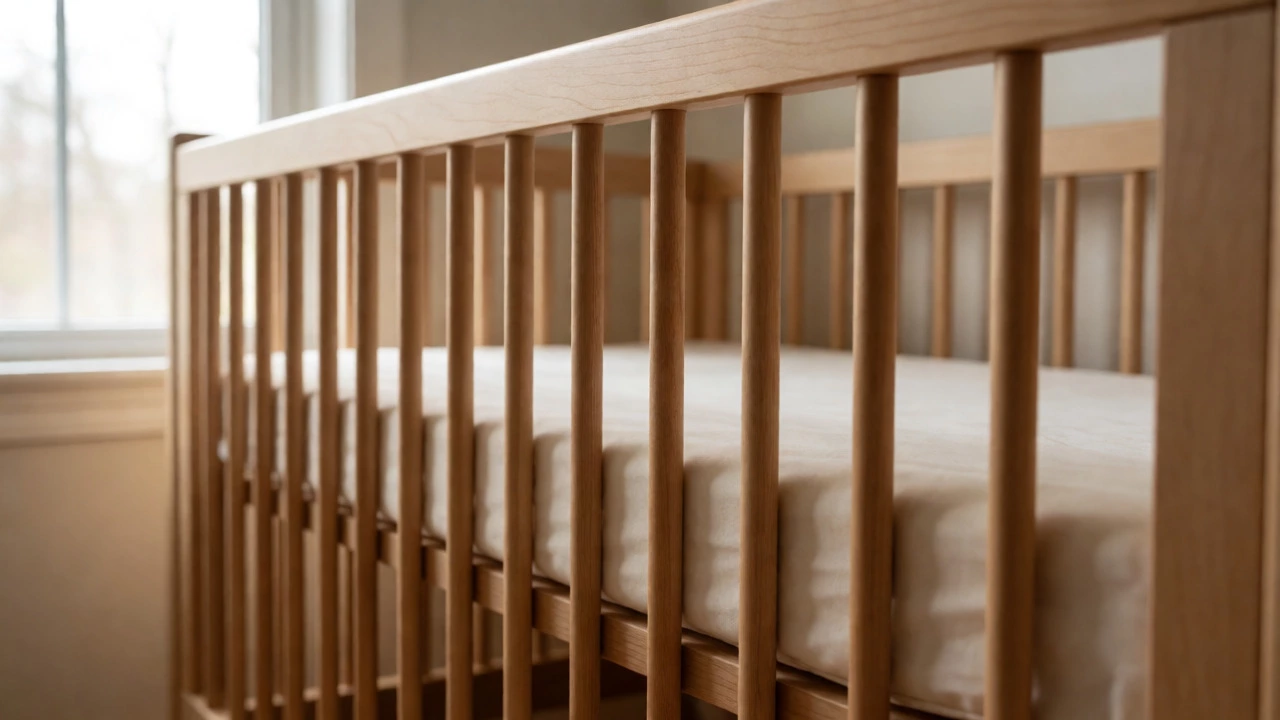
- Slats: Fixed slats are safer than drop-side rails (which are largely banned now anyway). Look for tight spacing to prevent entrapment.
- Mattress Fit: There should be no gap between the mattress and the crib sides. If you can fit two fingers in the gap, it’s too big. Your baby could get stuck.
- Adjustable Heights: You need at least three height settings. High for newborns so you don’t throw out your back lifting them out. Low for when they start pulling up and trying to climb out.
- Material: Solid wood (like maple, oak, or beech) beats particleboard. Particleboard chips, cracks, and off-gasses formaldehyde. Solid wood breathes better and holds screws tighter over years of use.
Don’t fall for the "convertible" marketing trap unless you plan to use it long-term. A convertible crib turns into a toddler bed and then a daybed. It saves money if you stick with it, but sometimes a simple, sturdy crib plus a separate toddler bed later is cleaner and safer. Evaluate your space before buying.
The Runner-Up: The Changing Station
If the crib is the heart of the nursery, the changing station is the lungs. You will change diapers approximately 2,500 times in the first year alone. Do the math. That’s seven changes a day, every day, for a year. Doing this on a soft bed or the floor is a recipe for disaster-and back pain.
A dedicated changing table or a dresser with a secure pad keeps everything within arm’s reach. Wipes, diapers, cream, clean clothes. All organized. More importantly, it keeps you at waist height. Ergonomics matter when you’re doing repetitive motions hundreds of times a week.
Here’s a quick comparison of common changing setups:
| Setup Type | Ergonomics | Storage | Safety Risk |
|---|---|---|---|
| Dedicated Changing Table | Excellent (Waist height) | Low (Shelves underneath) | Low (Wide base) |
| Dresser + Pad | Good (Depends on height) | High (Drawers) | Medium (Pad must strap down) |
| Wall-Mounted Fold-Down | Poor (Often too high/low) | None | Medium (Wall anchor integrity) |
| Floor Mat | Terrrible (Back-breaking) | None | Low (But hard to supervise) |
Notice the safety risk column. A dresser pad can slide. Always use the safety straps provided. Never leave your baby unattended on a raised surface, even for a second. Babies are sneaky. They can roll faster than you think.
Lighting: The Silent Influencer
You might think lighting is decorative. It’s not. It’s functional. Newborns don’t have a circadian rhythm yet. They wake up confused. How you manage light helps reset their internal clock.
Dimmable lights are crucial. Blasting overhead LEDs at 3 AM jolts both you and the baby awake, making it harder to settle back down. Use warm-toned bulbs (2700K or lower). Avoid blue light sources near bedtime. Blue light suppresses melatonin production, which is already tricky for infants.
Consider a blackout curtain system. Vancouver winters mean dark mornings. Blackout curtains help extend sleep duration by simulating night longer in the morning. For summer evenings, they block streetlights and early sun. It’s a small item, but paired with the crib, it optimizes the sleep environment.
Comfort Zone: The Rocking Chair or Glider
Feeding takes time. Breastfeeding or bottle-feeding can take 20-45 minutes per session. Multiply that by eight sessions a day. You are sitting for hours. A standard dining chair won’t cut it. You need support.
A good glider or rocker has deep seat depth, lumbar support, and armrests that allow you to hold your baby securely while keeping your arms relaxed. Footrests are a bonus. If you’re nursing, a pillow helps, but the chair does the heavy lifting for your spine.
Pro tip: Test the noise level. Some wooden rockers creak. At 2 AM, a creak sounds like a monster. Upholstered gliders are usually quieter. Also, check the weight limit. You’ll likely be holding your growing baby, maybe another child, or a pile of laundry. Don’t cheap out here.
What About Decor and Toys?
Let’s be real. Mobiles are pretty. Wall art is cute. Rattles are fun. But none of them are "important" in the survival-and-safety sense. They are enrichment tools.
Mobiles stimulate visual tracking in the first few months. But remove them once your baby can sit up or pull themselves along the crib rail. Otherwise, they become a strangulation hazard. Keep decor minimal. Clutter collects dust mites, which trigger allergies. Fewer stuffed animals in the crib means safer sleep and easier cleaning.
Toys belong in bins outside the crib. When your baby starts playing on the floor, you want open space. A play mat or gym is useful for tummy time, which strengthens neck and shoulder muscles. But again, these are secondary to the sleep and feeding infrastructure.
Budgeting Wisely: Where to Spend vs. Save
Nursery costs can spiral. Here’s a rule of thumb based on longevity and safety:
- Spend Big: Crib, Mattress, Glider. These see daily abuse and carry safety responsibilities.
- Spend Moderate: Dresser, Lighting, Curtains. These last years but aren’t critical safety devices.
- Save/Buy Used: Baskets, Art, Decorative Pillows, Diaper Pails. These wear out quickly or are purely aesthetic.
Buying used cribs? Be careful. Check for recalls on the Consumer Product Safety Commission (CPSC) website. Ensure the slats aren’t cracked. Sand down any rough spots. Replace hardware if it looks rusty. Never buy a used drop-side crib-they’re outdated and risky.
Final Thoughts: Build Around Sleep
Your nursery doesn’t need to look like a magazine cover. It needs to work. Start with the crib. Make sure it meets current safety standards. Then add the changing station for your back’s sake. Add the chair for your sanity. Everything else is optional.
Remember, babies grow fast. The nursery phase lasts maybe 18-24 months. Invest in quality items that ensure safety and comfort during those intense early days. Skip the trendy gadgets that break after a month. Focus on the foundation: safe sleep, efficient care, and parental comfort.
Is a bassinet better than a crib for a newborn?
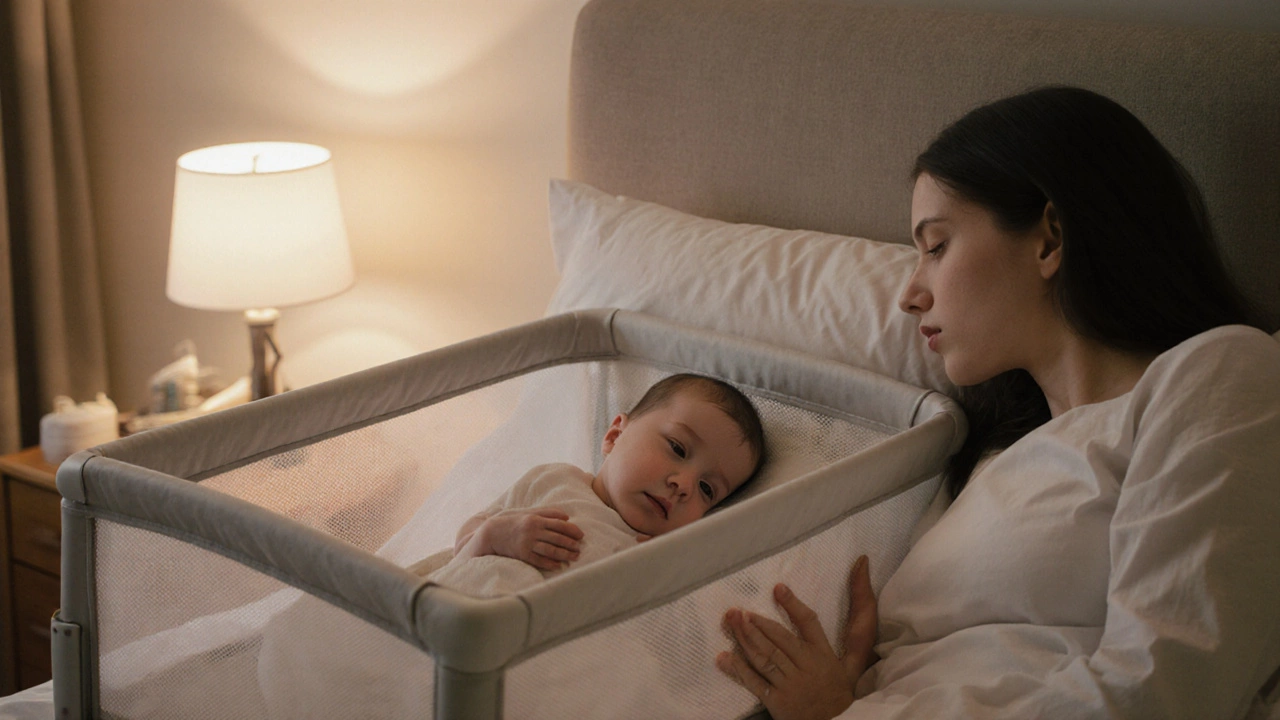
A bassinet is great for the first 3-4 months because it’s smaller and fits next to your bed, promoting safe room-sharing. However, a crib is a long-term investment. Many parents start with a bassinet in the bedroom and move the baby to a crib in the nursery around 4-6 months, or sooner if the baby outgrows the bassinet’s weight limit (usually 15-20 lbs).
Do I really need a crib mattress protector?
Yes. Accidents happen. Milk spills, diaper leaks, spit-up. A waterproof, breathable mattress protector extends the life of your expensive crib mattress and prevents mold or bacteria buildup inside the foam. It also protects against allergens like dust mites.
Can I paint my crib instead of buying new?
You can, but only if you use non-toxic, water-based paints specifically labeled safe for children’s furniture. Allow ample drying and curing time (weeks, not days) to let volatile organic compounds (VOCs) dissipate. If the crib has worn-off finish exposing bare wood, painting is a good refresh option. Avoid oil-based paints due to fumes.
How far should the crib be from the window?
Keep the crib at least one foot away from walls and windows. This prevents drafts and reduces the risk of cords from blinds getting tangled around the baby. Sunlight can also fade the crib finish and disrupt naps if it hits the baby’s face directly.
Are round cribs safe?
Round cribs are generally safe if they meet ASTM safety standards. However, finding fitted sheets that stay tight on a round shape can be difficult. Loose sheets pose a suffocation risk. Ensure any round crib you buy uses certified, snug-fitting bedding designed specifically for that model.