What Type of Bed Should a 2-Year-Old Be In? Toddler Bed vs. Crib Guide
Toddler Bed Readiness & Recommendation Tool
Is Your Child Ready?
Select the behaviors that apply to your child right now.
What Matters Most?
Choose your top priority for the new bed.
Analyzing...
Recommended Bed Type:
-
-
Why this fits:
Critical Safety Steps
Ready to find the perfect bed?
Select your child's behaviors and priorities on the left, then click Analyze.
Is your little one climbing out of the crib? Are you wondering if it’s time to move them to a big kid bed before they even turn three? The transition from a crib to a "real" bed is one of those parenting milestones that feels huge, but the reality is often just a lot of trial and error. For a two-year-old, the right bed isn’t just about style; it’s about safety, independence, and keeping everyone asleep through the night.
You don’t need to rush this process. While some kids are ready at eighteen months, others stay happily in their cribs until age four. But if your child is showing signs of readiness-like climbing out or asking for a bigger bed-you need to know exactly what type of bed keeps them safe while giving them that sense of growing up.
Signs Your Two-Year-Old Is Ready for a New Bed
Before you buy anything, look at your child’s behavior. Age is just a number here; ability and temperament matter more. If your toddler is climbing out of the crib, that is an immediate safety hazard. You have no choice but to transition then. But if they aren’t climbing, wait. A crib is a secure environment that teaches boundaries.
Look for these specific cues:
- Physical Ability: Can they climb in and out of the crib easily? Do they stand on top of the mattress?
- Verbal Requests: Are they pointing to sibling’s beds or saying "big boy bed"?
- Potty Training: Are you starting potty training? If so, a lower bed allows them to get up safely in the middle of the night.
- New Sibling: Is a baby coming? Transitioning now prevents jealousy issues later when the new baby needs the crib.
If your child is still sleeping soundly and not climbing, there is zero benefit to moving them early. Stick with the crib as long as it is safe.
The Gold Standard: The Dedicated Toddler Bed
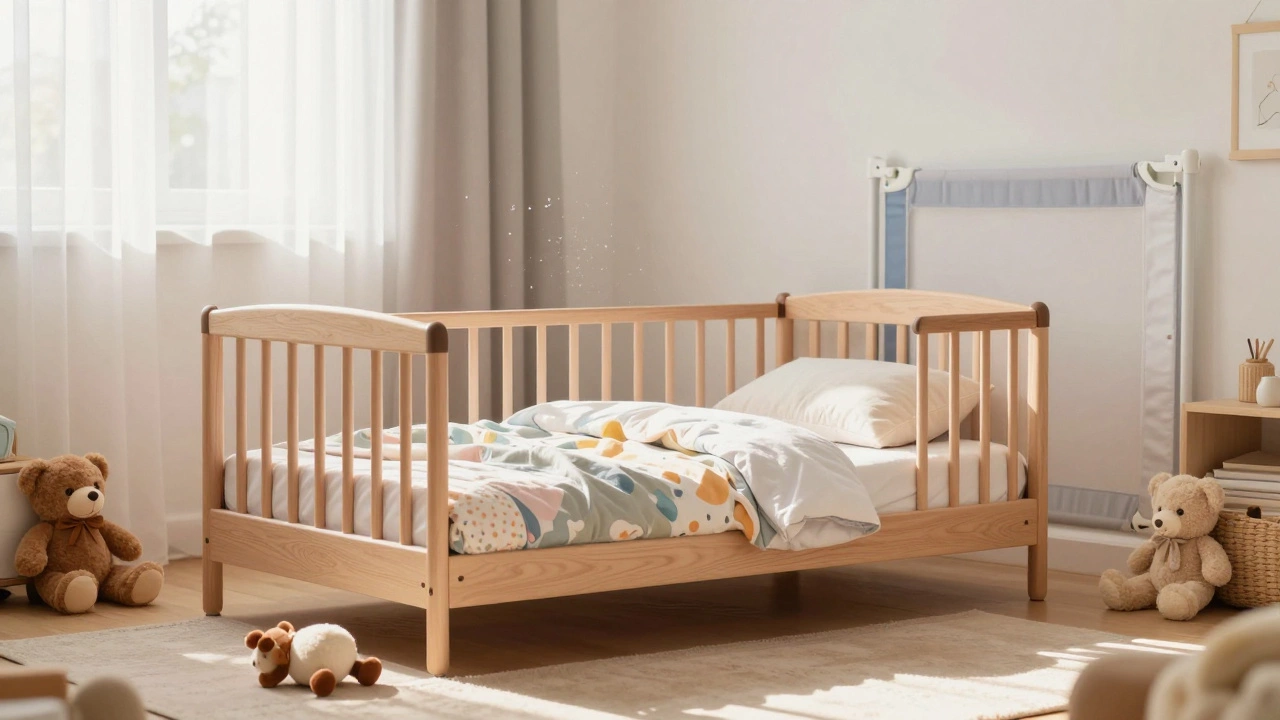
For most families, the toddler bed is the best first step. These beds are designed specifically for children aged one to four. They use the same standard crib mattress you already own, which saves you money and helps your child feel familiar comfort during the change.
A dedicated toddler bed sits very low to the ground, usually less than twelve inches high. This minimizes injury risk if they roll off or jump out. Most models feature a guardrail on one or both sides. The rail provides a psychological barrier-a clear boundary that says "this is where you sleep" without the total confinement of a crib.
| Bed Type | Best For | Safety Level | Mattress Compatibility |
|---|---|---|---|
| Toddler Bed | First-time transitions, ages 1.5-4 | High (low height, rails) | Crib mattress |
| Low Platform Bed | Independent sleepers, Montessori homes | Medium (no rails, very low) | Twin or custom size |
| Twin Size Bed | Older toddlers (3+), growth planning | Lower (higher fall risk) | Standard Twin |
| Convertible Crib | Budget-conscious, long-term use | High (when converted properly) | Crib or Twin (with adapter) |
The main downside? They are short-lived. Your child will likely outgrow a dedicated toddler bed by age five or six. However, for a two-year-old who is just learning the concept of staying in bed, the visual and physical boundaries are crucial.
Going Big: The Low Platform Bed
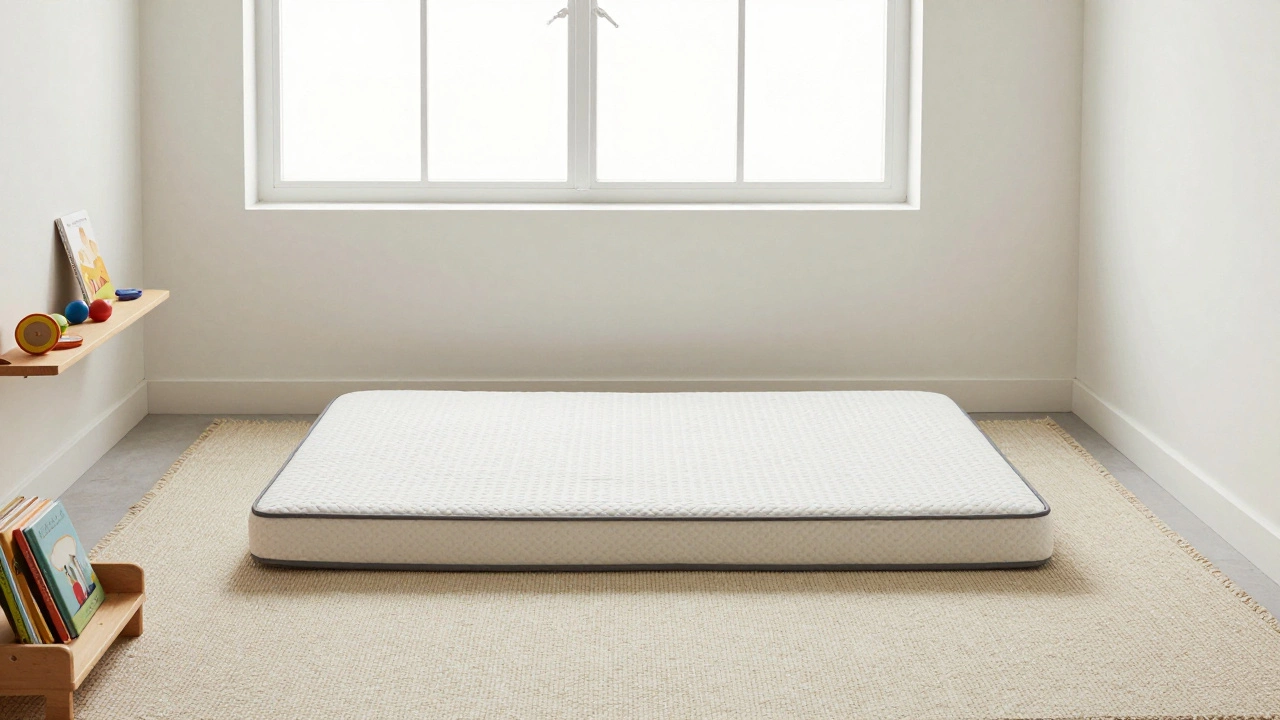
If you follow a Montessori approach or simply want a bed that lasts longer, consider a low platform bed. These are essentially twin-size frames that sit directly on the floor or on very short legs. There are no rails, no ladders, and no scary heights.
This option promotes maximum independence. Your child can get in and out whenever they want. It works well for kids who are confident movers and understand basic safety rules. However, it requires a different room setup. Because there are no rails, you must ensure the entire perimeter of the bed is clear of walls, windows, and heavy furniture. If they roll off, they hit carpet, not a nightstand.
One major pro: you buy a twin mattress once, and it lasts until they are teenagers. That is significant cost savings over buying a toddler bed now and a twin bed in three years.
Safety First: Securing the Room
Once you remove the crib rails, your job shifts from containment to environmental control. A two-year-old in a new bed is an explorer. They might wander into the hallway, open doors, or climb onto dressers. Safety proofing is non-negotiable.
- Door Gates: Install a sturdy gate at the bedroom door. Use a hardware-mounted gate, not a pressure-mounted one, as toddlers can push past weak gates.
- Window Guards: Ensure all windows have locks or guards that prevent opening more than four inches.
- Anchoring Furniture: Anchor all dressers, bookshelves, and TVs to the wall. A curious toddler pulling up on a dresser can cause fatal tip-over injuries.
- Cord Management: Blind cords and curtain ties are strangulation hazards. Cut them short or tie them up high out of reach.
- Floor Padding: If using a low platform bed, a thick rug around the bed area cushions any falls.
Think of the room as a self-contained play zone. Everything inside should be safe for unsupervised access at 2 AM.
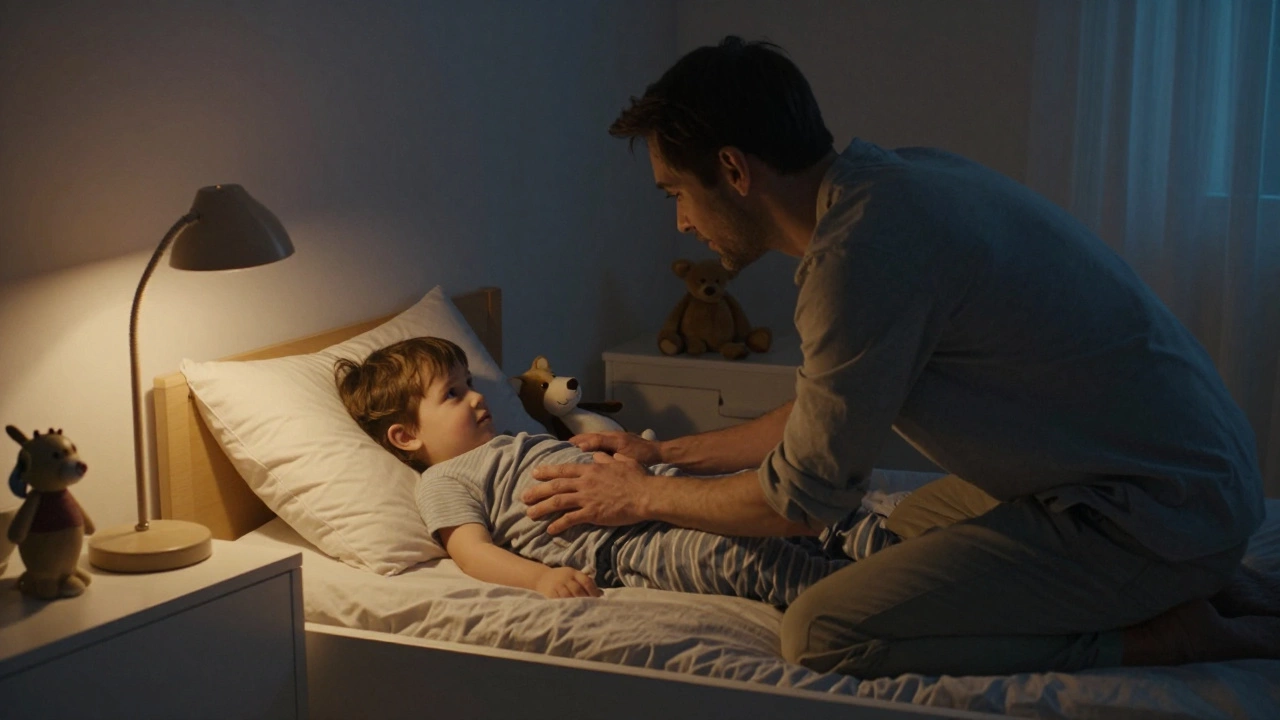
Making the Transition Smooth
Changing the bed is a big deal emotionally. Even if they asked for it, the reality of sleeping without bars can be scary. Preparation is key to avoiding weeks of bedtime battles.
Start by reading books about getting a big kid bed. Let them help pick out sheets or a small pillow. Involve them in setting up the new bed. Place their favorite stuffed animals on it immediately to create positive associations.
Keep the routine identical. Same bath, same story, same song. The only thing changing is the sleeping surface. Consistency tells their brain that sleep time is still predictable and safe.
Expect some setbacks. Night waking is common for the first few weeks. They may come to your room crying because they feel exposed. Comfort them, reassure them, and gently walk them back to their bed. Avoid letting them sleep in your bed unless that is your established family rule, as this creates a new habit that is hard to break.
When to Wait Longer
Not every two-year-old is ready. If your child is anxious, has frequent nightmares, or struggles with separation anxiety, keep them in the crib. The crib is a safe haven. Removing it prematurely can increase stress and disrupt sleep patterns significantly.
If you are transitioning due to a new baby, try to do it at least one month before the baby arrives. This gives your toddler time to adjust to the new bed without feeling displaced by the infant. If timing is tight, focus on making the toddler feel special and involved in the baby’s arrival, rather than forcing the bed change too early.
Can a 2-year-old sleep in a regular twin bed?
Yes, but only if it is a low platform bed with no rails. Standard twin beds with headboards and footboards are too high and pose a serious fall risk for a two-year-old. If you choose a twin size, ensure the frame is close to the floor and the room is fully safety-proofed.
How long does it take to transition from crib to toddler bed?
Most children adjust within one to two weeks. However, it can take up to a month for full adaptation, especially if night waking occurs. Patience and consistency with bedtime routines are critical during this period.
Should I put a mattress on the floor instead of buying a bed?
This is a valid and safe option, often used in Montessori parenting. It eliminates fall risks entirely. Just ensure the mattress is firm, breathable, and placed away from walls, windows, and electrical outlets. Use a waterproof protector for easy cleaning.
What if my toddler keeps getting out of bed?
Stay calm and boring. Walk them back to bed with minimal talking and eye contact. Repeat as many times as necessary. Giving attention, even negative attention, can reinforce the behavior. Some parents use a visual timer or reward chart for nights spent in bed.
Is a convertible crib worth the extra cost?
Convertible cribs can save money long-term as they transform into toddler beds and sometimes twin beds. However, they are often heavier and more expensive upfront. Check if you need to buy separate conversion kits or mattresses for each stage, as these hidden costs add up.