Are Baby Monitors FDA Approved? The Truth About Regulations
Baby Monitor Safety & Compliance Checker
Device Evaluation Checklist
Select the options that apply to your current or potential baby monitor.
Select your device details and click "Analyze" to see a breakdown of its regulatory standing and safety profile.
You just bought that sleek video baby monitor with the night vision and two-way audio. It promises peace of mind while you sip your coffee in the kitchen. But then a doubt creeps in: Is this device actually safe? You’ve heard the term FDA approved thrown around for everything from skincare to medical equipment. So, does your baby monitor carry that stamp of approval?
The short answer is no. Most baby monitors are not FDA approved. In fact, they likely never will be. That doesn’t mean they are unsafe or unregulated. It means they fall under a different set of rules than medical devices like heart rate monitors or pulse oximeters. Understanding where the line is drawn between a consumer electronic gadget and a medical device is crucial for keeping your child safe without falling for marketing hype.
Why Baby Monitors Are Not Medical Devices
To understand why the Food and Drug Administration (FDA) stays out of the baby monitor market, we have to look at what the FDA actually regulates. The FDA’s primary jurisdiction covers drugs, vaccines, biologic products, medical devices, tobacco products, food, and cosmetics. When it comes to devices, the agency focuses on items intended to diagnose, cure, mitigate, treat, or prevent disease.
A standard baby monitor-whether it’s an audio-only unit, a closed-circuit TV system, or a Wi-Fi-enabled smart camera-is classified as a general consumer electronic product. Its purpose is surveillance and communication, not medical diagnosis. If you use a monitor to listen for your baby’s breathing sounds, that is a behavioral choice, not a medical function prescribed by the manufacturer. Because the device does not claim to detect apnea, measure blood oxygen levels, or provide clinical data, it falls outside the FDA’s regulatory scope.
This distinction matters because regulatory pathways differ significantly. Medical devices undergo rigorous pre-market testing, including clinical trials, to prove safety and efficacy. Consumer electronics, on the other hand, must meet specific technical standards regarding electromagnetic interference, radiation exposure, and electrical safety, but they do not require the same level of biological validation.
Who Actually Regulates Baby Monitors?
If the FDA isn’t watching over baby monitors, who is? The responsibility splits between two main agencies: the Federal Communications Commission (FCC) and the Consumer Product Safety Commission (CPSC).
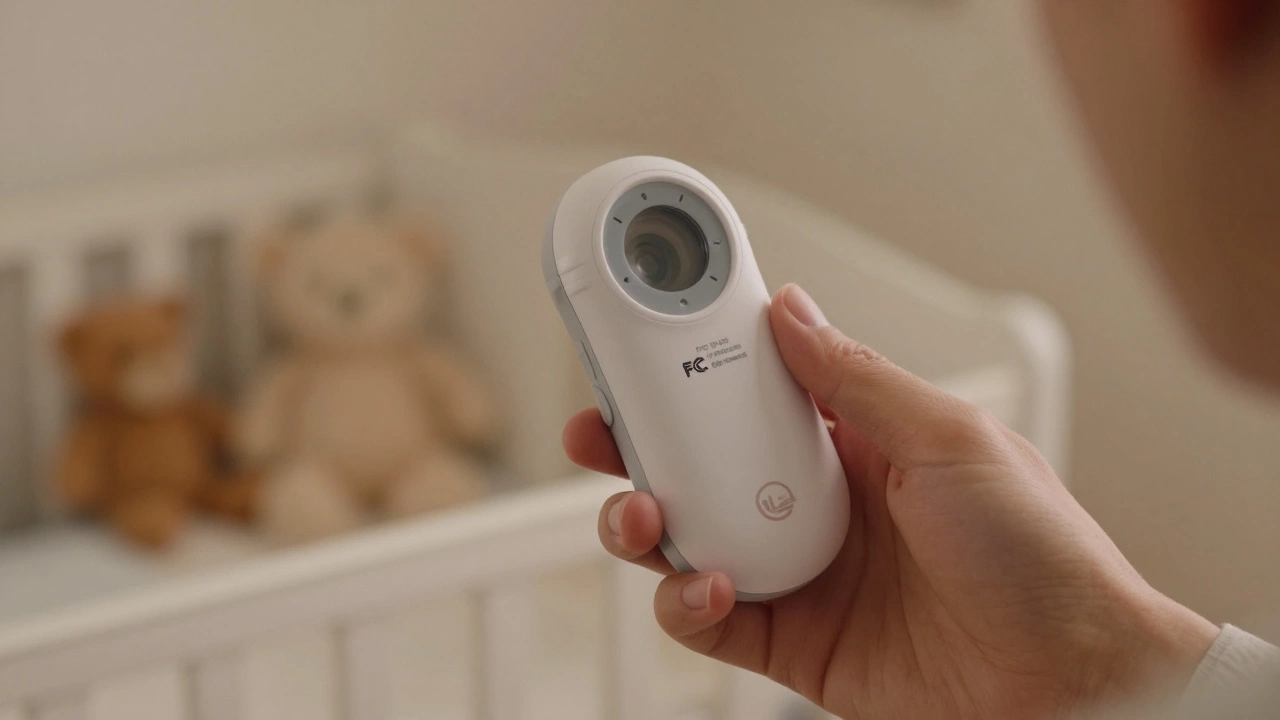
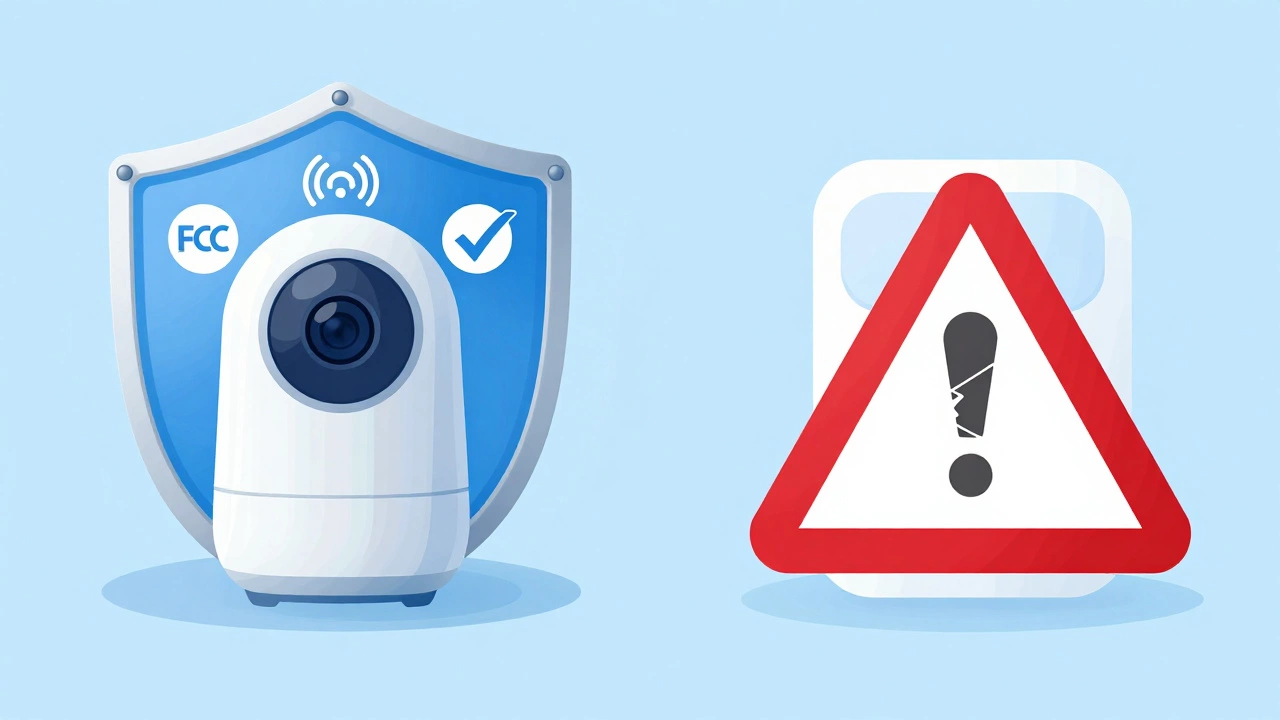
The FCC handles the wireless aspect. Since most modern baby monitors transmit signals wirelessly, they must comply with FCC Part 15 rules. These rules ensure that the device operates within designated frequency bands and does not cause harmful interference to other communications services, like emergency radio frequencies or cellular networks. You’ll often see an FCC ID label on the back of the monitor unit. This indicates the device has been tested for radio frequency emissions and meets federal limits for non-ionizing radiation.
The CPSC takes charge of physical safety. As a consumer product, a baby monitor must adhere to strict safety standards to prevent hazards like electric shock, fire, or choking risks. The CPSC enforces these standards through mandatory certification. Manufacturers must test their products against guidelines set by recognized testing laboratories, such as Underwriters Laboratories (UL) or Intertek (ETL). If a monitor poses a risk of overheating or contains small parts that could detach, the CPSC can issue recalls.
So, while you won’t find an “FDA Approved” sticker, you should look for certifications from UL, ETL, or CSA (Canadian Standards Association). These marks indicate that independent third-party labs have verified the device’s electrical and mechanical safety.
The Gray Area: Wearable Sleep Sensors
Things get complicated when baby monitors cross into wearable technology. For years, companies sold wearable patches or socks that claimed to monitor a baby’s breathing and heart rate, sending alerts to parents’ phones if irregularities were detected. These devices blurred the line between consumer electronics and medical diagnostics.
In recent years, the FDA has taken a harder stance on these wearables. The agency has issued warning letters to several manufacturers claiming their devices were unapproved medical devices. Why? Because they marketed the products as tools to detect life-threatening conditions like Sudden Infant Death Syndrome (SIDS) or apnea. Making those claims transforms the product from a simple monitor into a diagnostic tool, which requires FDA clearance.
As of 2026, no wearable baby monitor has received full FDA approval for home use to prevent SIDS. The American Academy of Pediatrics (AAP) explicitly states that these devices are not proven to reduce the risk of SIDS and should not replace safe sleep practices. If a product claims to medically monitor vital signs, it is operating in a legal gray zone and may be subject to future enforcement actions.
FCC Radiation Concerns: What Parents Should Know
A common fear among parents is radiation exposure. Many worry that the radio frequency (RF) energy emitted by wireless monitors could harm a developing brain. Let’s break down the science here. Baby monitors emit non-ionizing radiation, the same type found in Wi-Fi routers, Bluetooth headphones, and cell phones. Unlike ionizing radiation (like X-rays), non-ionizing radiation does not have enough energy to strip electrons from atoms or damage DNA directly.
The FCC sets Specific Absorption Rate (SAR) limits to ensure devices stay within safe thermal levels. While some studies suggest potential long-term effects of high RF exposure, the consensus among major health organizations, including the World Health Organization, is that current evidence does not establish a causal link between low-level RF exposure and adverse health outcomes in infants.
However, caution is still wise. To minimize exposure, keep the parent unit at least three feet away from your baby’s crib. Better yet, use a DECT (Digital Enhanced Cordless Telecommunications) monitor rather than a Wi-Fi-based one. DECT operates on a dedicated frequency band (usually 1.9 GHz) and only transmits power when sound is detected, resulting in significantly lower average radiation output compared to always-on Wi-Fi cameras.
How to Spot Misleading Marketing Claims
Marketing teams love to use scientific-sounding language to build trust. You might see phrases like “clinically tested,” “medical-grade accuracy,” or “FDA registered.” Be skeptical. “FDA registered” is not the same as “FDA approved.” Companies can register their manufacturing facilities with the FDA for various reasons unrelated to product approval. Similarly, “clinically tested” might refer to user experience studies rather than medical efficacy trials.
If a baby monitor box boasts that it detects respiratory distress or prevents SIDS, put it back on the shelf. These are unsubstantiated medical claims. Legitimate manufacturers focus on features like video clarity, battery life, secure encryption, and ease of use. They avoid making health-related promises because they know they cannot legally deliver them.
Always check the fine print. Look for disclaimers that state the device is for informational purposes only and not intended for medical diagnosis. Reputable brands will clearly distinguish their product from medical equipment.
| Feature | Standard Baby Monitor | Medical-Grade Wearable |
|---|---|---|
| Primary Regulator | FCC & CPSC | FDA |
| Purpose | Surveillance/Communication | Diagnostics/Monitoring Vitals |
| Certification Required | FCC ID, UL/ETL Mark | FDA 510(k) Clearance |
| Radiation Type | Non-ionizing (RF) | Varies (often optical/sensors) |
| SIDS Prevention Claim | Not Allowed | Only if FDA Cleared (None exist for home use) |
Security Risks: The Hidden Danger
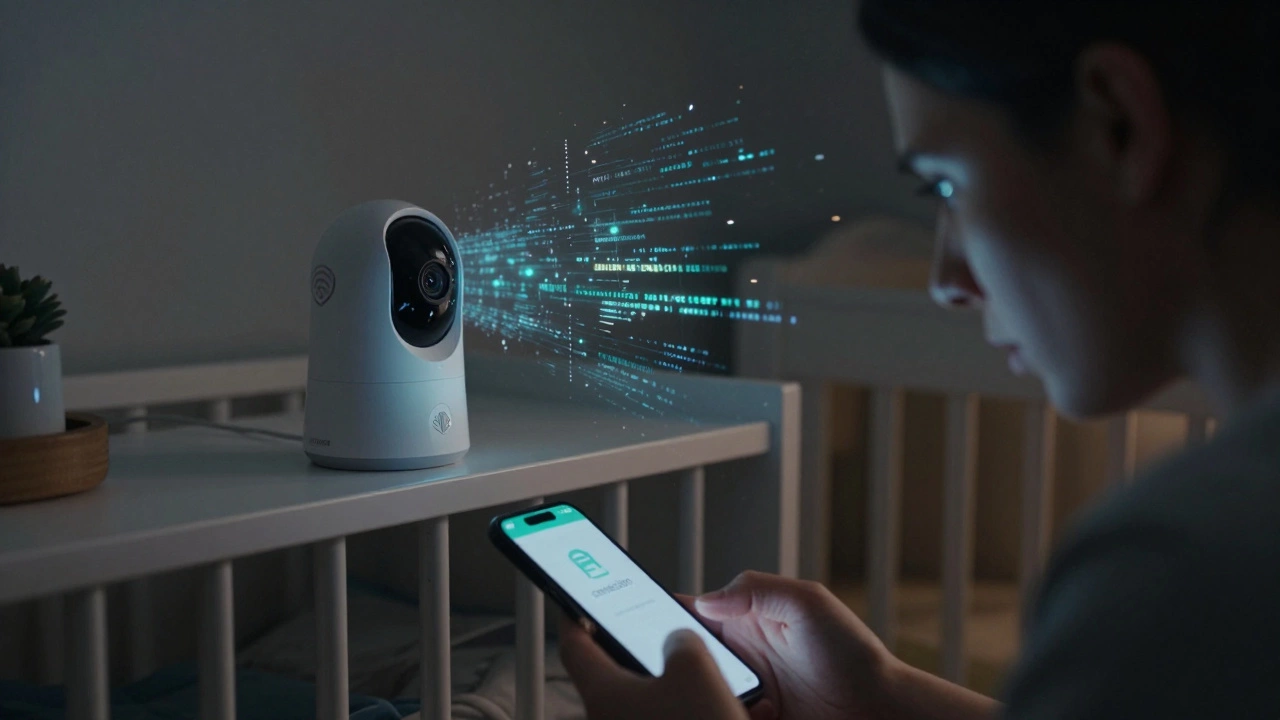
While radiation and false medical claims are concerns, the most immediate threat to many families is cybersecurity. With the rise of Internet of Things (IoT) devices, smart baby monitors have become prime targets for hackers. Unlike traditional analog monitors, Wi-Fi cameras connect to your home network, potentially exposing your baby’s room to unauthorized viewers.
In 2024 and 2025, there were multiple reports of compromised baby monitors being used for voyeurism. This highlights the importance of choosing a device with strong security protocols. Look for end-to-end encryption, which ensures that only your phone and the camera can decrypt the video feed. Avoid brands with a history of poor privacy policies or those that store footage on insecure cloud servers.
Additionally, change the default password immediately upon setup. Use a unique, complex password that you don’t use for other accounts. Enable two-factor authentication if available. Some parents opt for closed-system monitors (non-Wi-Fi) specifically to eliminate the risk of hacking entirely. These devices create a private signal between the camera and the parent unit, offering zero connectivity but maximum privacy.
What Experts Recommend
The American Academy of Pediatrics (AAP) provides clear guidance on infant monitoring. They emphasize that no monitor replaces parental supervision. Safe sleep practices-placing babies on their backs on firm mattresses without loose bedding-are far more effective at reducing SIDS risk than any electronic device.
If you choose to use a monitor, prioritize reliability and usability over advanced features. A clear audio feed is often sufficient for hearing if a baby is crying or making unusual noises. Video monitors can help distinguish between normal fussing and genuine distress, saving you unnecessary trips to the nursery. However, do not rely on motion sensors or breathing indicators as a substitute for visual checks.
Remember, the goal of a baby monitor is convenience, not medical assurance. Keep expectations realistic. Use the device to aid your parenting routine, not to alleviate anxiety about undetectable medical conditions.
Can I trust a baby monitor that says it is FDA registered?
No, not necessarily. "FDA registered" usually refers to the facility where the product is made, not the product itself. Unless the device is explicitly cleared by the FDA as a medical device (which is rare for home baby monitors), this claim is misleading. Look for FCC and UL certifications instead.
Do baby monitors emit dangerous radiation?
Baby monitors emit non-ionizing radiation, similar to Wi-Fi routers. Current scientific consensus suggests these levels are safe. However, to minimize exposure, keep the parent unit at least three feet from the crib and consider using DECT technology, which transmits less frequently than Wi-Fi.
Are wearable baby monitors safe for detecting breathing?
The AAP warns against relying on wearable monitors for safety. No wearable device has been proven to prevent SIDS. Furthermore, devices claiming to monitor vitals may be unapproved medical devices. Always consult your pediatrician before using such gadgets, and never let them replace safe sleep practices.
How do I know if my baby monitor is secure from hackers?
Look for features like end-to-end encryption and two-factor authentication. Change default passwords immediately. Read reviews regarding the brand's privacy policy. If security is your top concern, consider a non-WiFi, closed-system monitor that cannot be accessed remotely.
What certifications should I look for on a baby monitor?
Look for an FCC ID for wireless compliance, and safety marks from UL (Underwriters Laboratories), ETL (Intertek), or CSA (Canadian Standards Association). These indicate the device has passed rigorous tests for electrical safety and radiation limits.