Are Mesh Baby Carriers Better? Pros, Cons & Best Uses
Baby Carrier Material Selector
Your Situation
Mesh Carrier
Based on your inputs...
Loading benefit...
Key Features to Look For:
Select your preferences and click Analyze to see our recommendation.
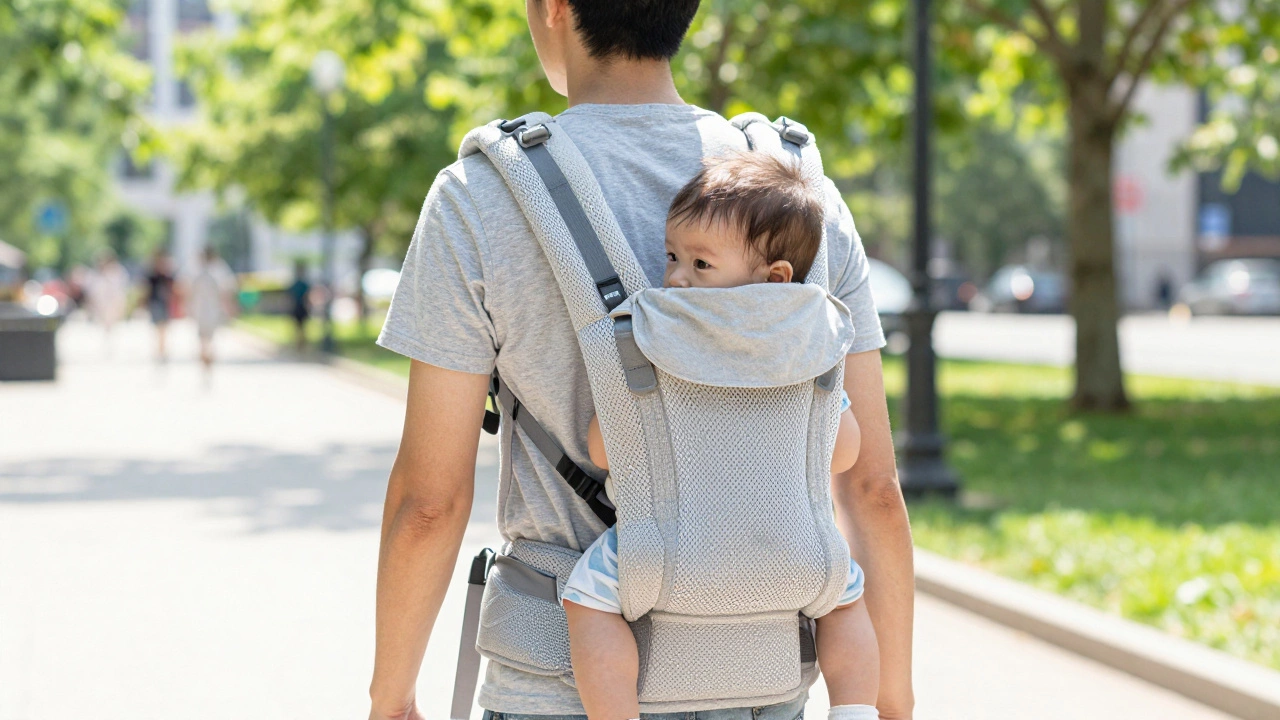
It’s July in the city. The humidity is sitting at a sticky 85%, and you’re trying to walk your six-month-old to the park. You strap on that heavy cotton wrap you bought last winter, and within ten minutes, both of you are drenched in sweat. Your baby is fussy, squirming, and clearly uncomfortable against your hot chest. This is exactly why parents start asking: are mesh baby carriers better? The short answer is yes, but only if you understand what they sacrifice for that breathability.
Mesh carriers have exploded in popularity over the last few years. They promise cool comfort, easy washing, and lightweight portability. But they aren’t a magic bullet for every situation. If you live in a freezing climate or need maximum hip support for a newborn with low muscle tone, a thick woven fabric might still be your best friend. To figure out if a mesh carrier belongs in your diaper bag, we need to look at how they handle heat, support, and daily wear compared to traditional fabrics.
The Breathability Factor: Why Airflow Matters
The primary selling point of any mesh baby carrier is its ability to let air circulate. Traditional carriers use terry cloth, denim, or thick cotton blends. These materials are durable and provide structure, but they trap body heat. When you carry a baby close to your body, their back presses against your torso. In a non-breathable fabric, that heat builds up rapidly, creating a microclimate of sweat between you and the child.
Mesh fabric changes this dynamic completely. It is typically made from polyester or nylon with an open-weave pattern. This allows air to pass through the material rather than getting trapped. For parents living in tropical climates like Florida, Southeast Asia, or parts of Africa, this isn’t just a luxury; it’s a safety feature. Overheating is a serious risk for infants, who cannot regulate their body temperature as efficiently as adults. A mesh carrier helps dissipate heat quickly, keeping the baby’s core temperature stable during long walks or outdoor festivals.
I’ve tested several models in high-heat conditions. The difference is night and day. With a standard cotton carrier, my shirt was soaked after twenty minutes. With a high-quality mesh panel carrier, I remained relatively dry. The baby also seemed calmer, likely because they weren’t stuck to my skin with sweat. If you spend more time outdoors than indoors, especially in warm weather, the breathability alone makes mesh worth considering.
Support vs. Structure: The Trade-Off
Here is where things get tricky. Fabric has weight, and weight provides tension. Thick cotton wraps create a hammock effect that supports the baby’s spine and hips without requiring much adjustment. Mesh, by nature, is lighter and more flexible. This flexibility can lead to less inherent structure.
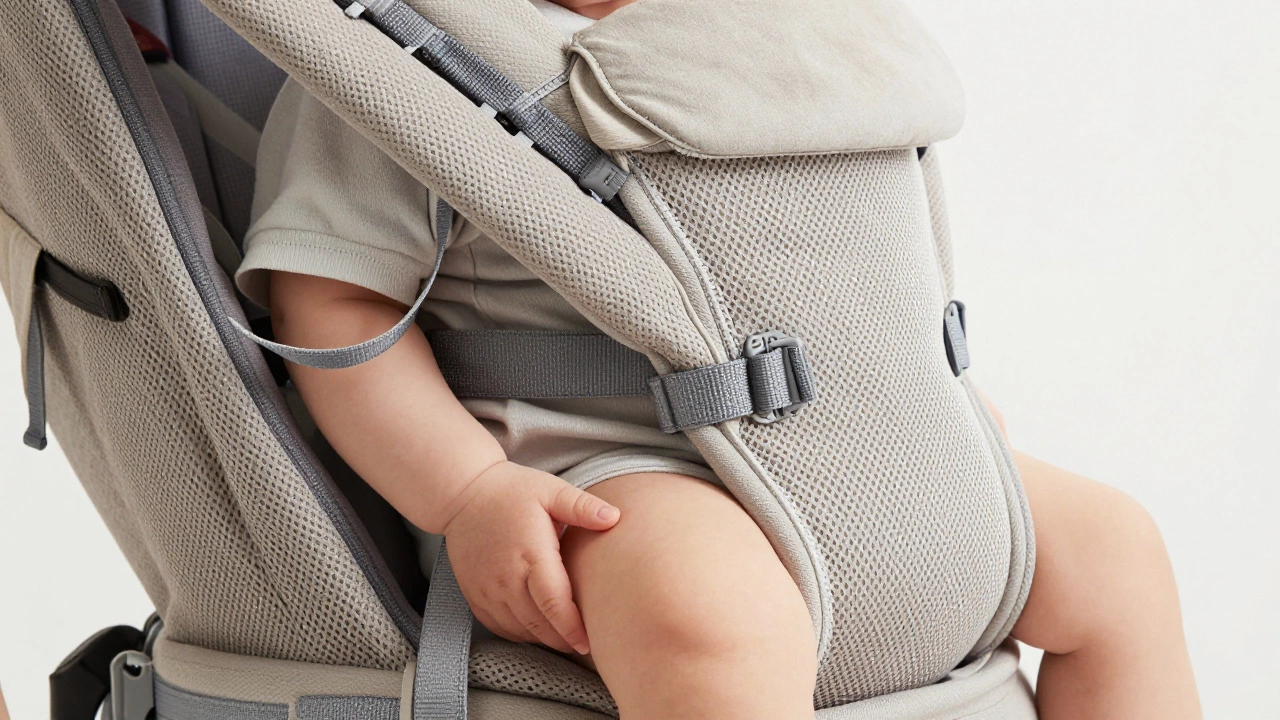
If you are carrying a newborn (under 4 months), a pure mesh sling might not offer enough support for their head and neck unless it has reinforced panels. Newborns lack the muscle tone to hold their heads up, so they need a firm cradle. Many modern mesh carriers address this by using a hybrid design: mesh on the back and sides for airflow, but structured foam or thicker fabric at the seat and shoulders for stability.
For older babies who sit up independently, mesh works beautifully. They don’t need as much external support to maintain the M-position (knees higher than bottom). However, if you plan to nap-carry frequently, check the mesh density. Very loose mesh can sag, causing the baby to slump forward, which restricts breathing. Look for carriers with adjustable straps that allow you to tighten the fit securely. The goal is a snug hug, not a loose drape.
Durability and Maintenance
Let’s talk about laundry. Babies spit up. They drool. They leak. If you’ve ever tried to wash a thick wool blend or a heavy canvas carrier, you know it takes forever to dry. Mesh carriers are champions here. Most are machine washable and air-dry in under two hours. Some parents even report they can tumble dry on low. This quick turnaround is invaluable when you’re dealing with sudden messes and need the carrier ready for the next outing.
However, durability varies. Cheap mesh can snag easily on zippers, jewelry, or rough surfaces. High-quality nylon mesh is quite tough, but it won’t last as long as a dense cotton twill. If you plan to hand down the carrier to a sibling or sell it used, consider the fabric quality. Reinforced stitching at stress points (where the straps meet the body) is crucial. Check reviews specifically mentioning "snagging" or "tearing" before buying. A carrier that falls apart after six months isn’t cost-effective, no matter how breathable it is.
| Feature | Mesh Carrier | Cotton/Woven Carrier |
|---|---|---|
| Breathability | Excellent (High airflow) | Poor to Moderate (Traps heat) |
| Weight | Lightweight (Easy to pack) | Heavy (Bulky) |
| Newborn Support | Variable (Needs inserts/panels) | Excellent (Natural structure) |
| Drying Time | Fast (1-2 hours) | Slow (6+ hours) |
| Best Climate | Hot/Humid | Cool/Cold |
Who Should Buy a Mesh Carrier?
Not every parent needs a mesh carrier. If you live in Minnesota and do most of your carrying in heated malls or cozy living rooms, a thick cotton wrap will keep your baby warmer and cozier. Mesh offers little insulation against the cold. In fact, in windy conditions, the airflow can make the baby feel chilly unless you add layers, which defeats the purpose of the open weave.
Mesh is ideal for:
- Active Parents: If you hike, run errands in summer, or travel to beach destinations, the cooling effect prevents overheating.
- Travelers: Mesh carriers fold down small. You can stuff one into a backpack without adding bulk. This is perfect for airplane trips where space is limited.
- Parents of Toddlers: Older kids generate more body heat and move more. They benefit from the freedom of movement and cooling that mesh provides.
- Those with Sensitive Skin: Some babies react to the texture of certain cottons or dyes. Synthetic mesh is often hypoallergenic and smooth, reducing friction burns on the baby’s back.
Conversely, avoid mesh if you primarily carry sleeping newborns in cooler environments or if you prefer the aesthetic and tactile feel of natural fibers. There is also a subset of parents who dislike the synthetic feel of polyester against their own skin. While many mesh carriers line the shoulder straps with soft fabric, the main body remains synthetic. Try it on before you buy if possible.
Top Features to Look For
When shopping, don’t just look for "mesh." Look for specific construction details that ensure safety and comfort.
- Hip Seat Depth: Ensure the seat is wide enough to support the baby’s thighs. A narrow mesh seat can dig into the legs.
- Adjustable Straps: Look for quick-release buckles and padded shoulder straps. Even lightweight carriers cause shoulder strain if the padding is thin.
- Head Support: Integrated hood or adjustable headrests are vital for napping babies. Mesh hoods should be opaque to block sunlight.
- Reinforced Seams: Check the stitching around the waist belt. This area bears the most weight. Double-stitched seams are a must.
- Ventilation Panels: Some carriers use mesh only on the back panel while keeping the front solid. This offers a balance of support and airflow. Consider this if you want versatility across seasons.
One interesting trend in 2026 is the rise of antimicrobial mesh treatments. Since mesh traps less moisture, it naturally resists odor better than cotton. But some brands now add silver-ion technology to further prevent bacterial growth. This is a nice bonus for parents who hate that "wet dog" smell that sometimes develops in well-used carriers.

Real-World Usage Scenarios
Imagine you’re visiting family in Dubai. The temperatures soar past 40°C (104°F). Walking outside is exhausting. A mesh carrier becomes essential for navigating indoor malls or shaded parks. You can find resources for local activities and discreet services online, such as this directory, though for most families, the focus remains on safe, comfortable strolling options. The key is staying cool. Without proper ventilation, carrying a baby in such heat is dangerous. Mesh mitigates this risk significantly.
Now picture a rainy autumn day in Seattle. You’re wearing a raincoat over your carrier. Mesh inside might feel cold and clammy against the baby’s back. Here, a waterproof cotton cover or a fully woven carrier underneath would be superior. The lesson? Context dictates the tool. Mesh is a seasonal specialist, not necessarily a year-round generalist, unless you live in a consistently warm climate.
Safety First: The ABCs of Carrying
Regardless of fabric, always follow the ABCs of babywearing: Airway clear, Body position correct, Close enough to kiss.
- Airway: Mesh’s openness actually helps here. You can see the baby’s face easier than in bulky wraps. Ensure the chin is off the chest.
- Body Position: The M-position is critical. Knees should be higher than the bottom. Mesh doesn’t enforce this automatically; you must adjust the straps to achieve it.
- Close Enough: The baby’s nose should be near your chest. If the mesh stretches too much, the baby may slide down. Tighten the waist belt firmly.
Never use a mesh carrier if the mesh is damaged. Holes can compromise structural integrity. Inspect your carrier before each use. Also, be mindful of the baby’s limbs. Loose mesh strands can sometimes catch fingers or toes, though this is rare with quality brands.
Final Thoughts on Choosing Your Carrier
So, are mesh baby carriers better? They are better for heat, hygiene, and travel. They are worse for cold weather, newborn structure, and long-term durability compared to heavy cottons. The "best" carrier depends entirely on your lifestyle, climate, and baby’s age. If you struggle with overheating, switch to mesh. If you struggle with support, stick to woven fabrics or choose a hybrid model. Don’t force a square peg into a round hole. Test different types. Your comfort directly impacts your baby’s happiness. If you’re sweating and miserable, your baby will sense it. Prioritize a setup that keeps both of you cool, supported, and happy.
Can I use a mesh carrier for a newborn?
Yes, but only if the carrier has a dedicated newborn insert or structured panels. Pure mesh slings may not provide enough head and neck support for infants under 4 months. Always ensure the baby maintains the M-position and their airway is clear.
How do I clean a mesh baby carrier?
Most mesh carriers are machine washable. Use cold water and a gentle cycle. Avoid bleach and fabric softeners, which can degrade the synthetic fibers. Air dry flat or tumble dry on low heat. Never iron mesh fabric.
Is mesh safer than cotton for babywearing?
Safety depends on usage, not just fabric. Mesh reduces overheating risks, which is a safety plus in hot climates. However, it requires careful adjustment to prevent slumping. Follow ABC guidelines regardless of material.
Do mesh carriers last as long as cotton ones?
Generally, no. High-quality cotton or wool blends are more durable and resist snags. Mesh is prone to tearing if caught on sharp objects. Expect a shorter lifespan for mesh carriers, especially with frequent use.
What is the best weight limit for a mesh carrier?
Most reputable mesh carriers support up to 35-40 lbs (16-18 kg). Always check the manufacturer’s specifications. Exceeding the weight limit can stretch the mesh beyond recovery, compromising safety and comfort.