Best Educational Toys for Children with ADHD
ADHD Toy Matchmaker
Find the Right Toy for Your Child
Based on your child's needs and preferences, we'll recommend the most effective toys for focus and engagement.
Your Child's Profile
Recommended Toys
Your Personalized Match
Select your child's profile to see recommendations
Why this works
Your child's profile matches toys that provide structure and sensory input to help manage ADHD symptoms.
When a child has ADHD, playtime isn’t just about fun-it’s a chance to build focus, calm nerves, and develop skills without pressure. Not all toys work the same way for every child, especially when attention spans are short and energy levels are high. The right toys can make a real difference, helping kids stay engaged longer, reduce impulsivity, and feel more in control. It’s not about keeping them quiet; it’s about giving them the right kind of stimulation to thrive.
What Makes a Toy Good for ADHD?
A toy that works well for a child with ADHD doesn’t need to be expensive or high-tech. It needs to match how their brain processes information. Look for toys that offer clear structure, immediate feedback, and opportunities for movement or tactile input. These features help the brain stay on task without overloading it.
For example, a puzzle that clicks into place gives instant visual and physical feedback. A fidget spinner offers repetitive motion that calms the nervous system. A building set with large, easy-to-handle pieces reduces frustration and keeps hands busy while the mind focuses.
Research from the American Academy of Pediatrics shows that children with ADHD benefit most from toys that engage multiple senses at once-touch, sight, and sometimes sound. This multisensory input helps anchor attention and makes learning feel less like work.
Top 5 Types of Toys That Work
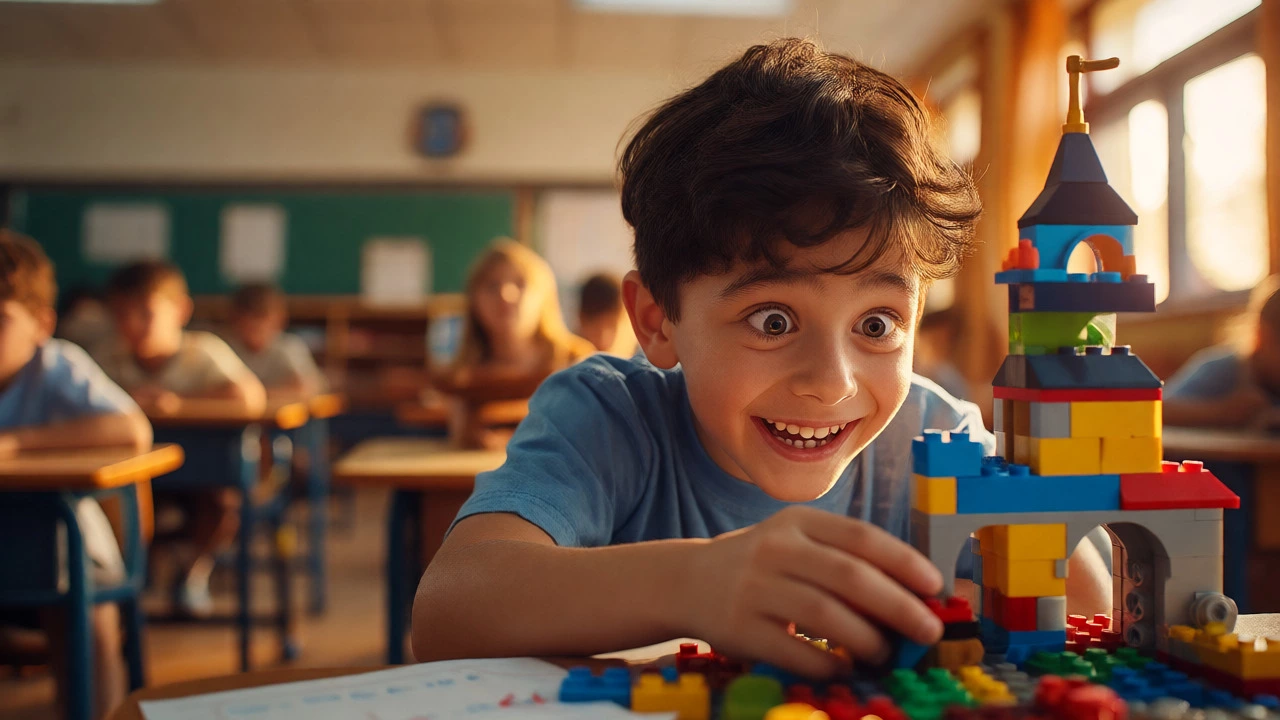
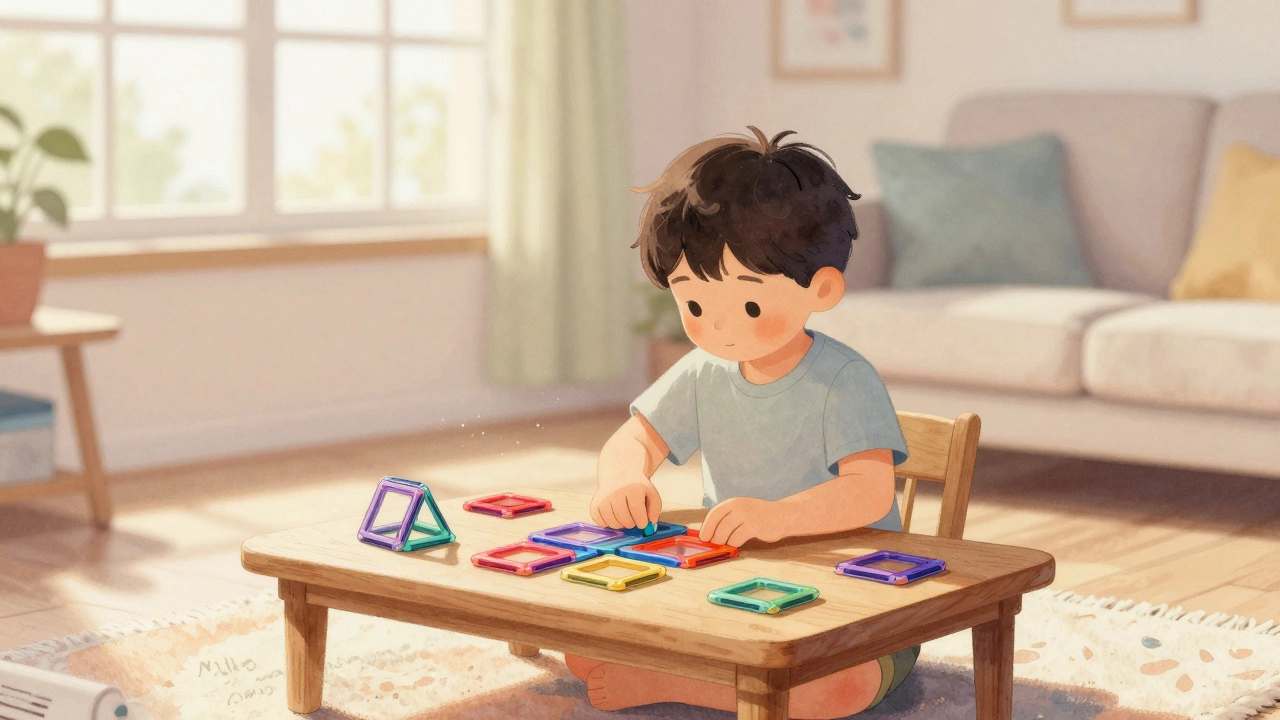
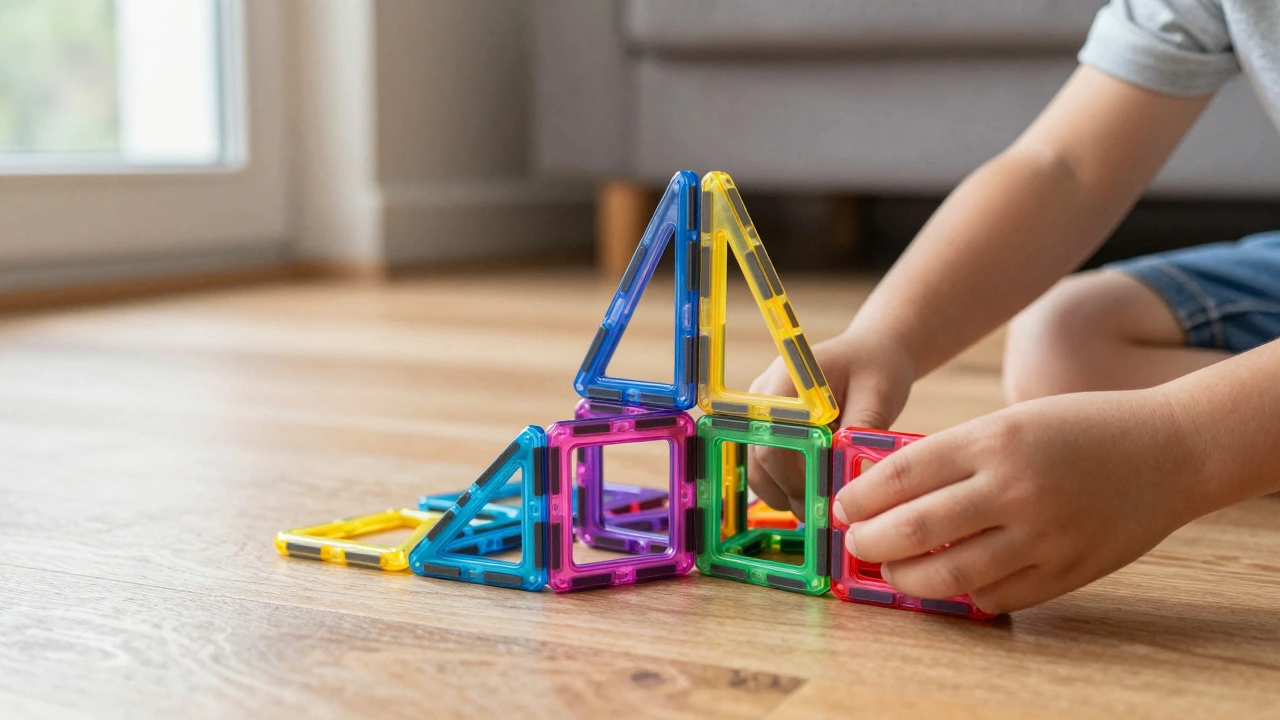
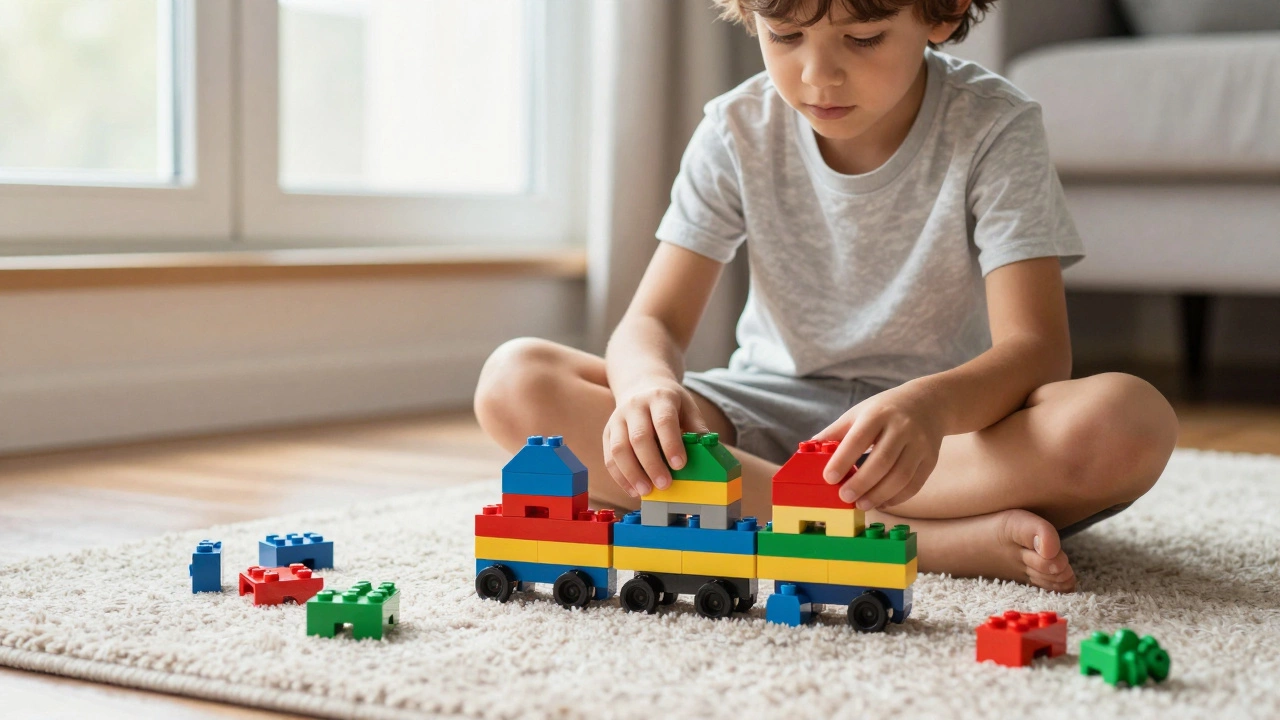
- Building sets like LEGO DUPLO or Magna-Tiles give kids a clear goal, tactile feedback, and room to experiment. They can build, knock down, and rebuild-no wrong answers here.
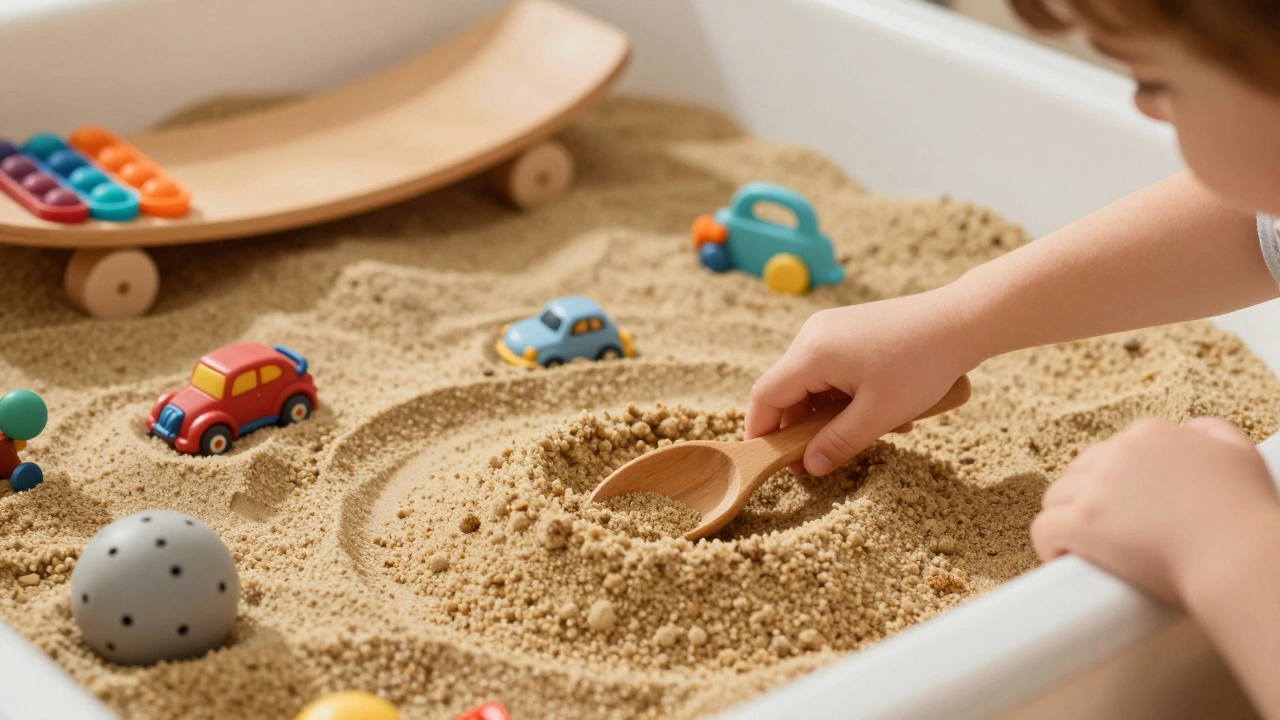
- Sensory bins filled with rice, beans, or kinetic sand let kids explore textures without boundaries. Add small toys or tools like spoons and funnels to turn it into a mini treasure hunt.
- Fidget tools such as stress balls, putty, or textured rings help release excess energy without distracting others. These aren’t toys to play with-they’re tools to stay calm.
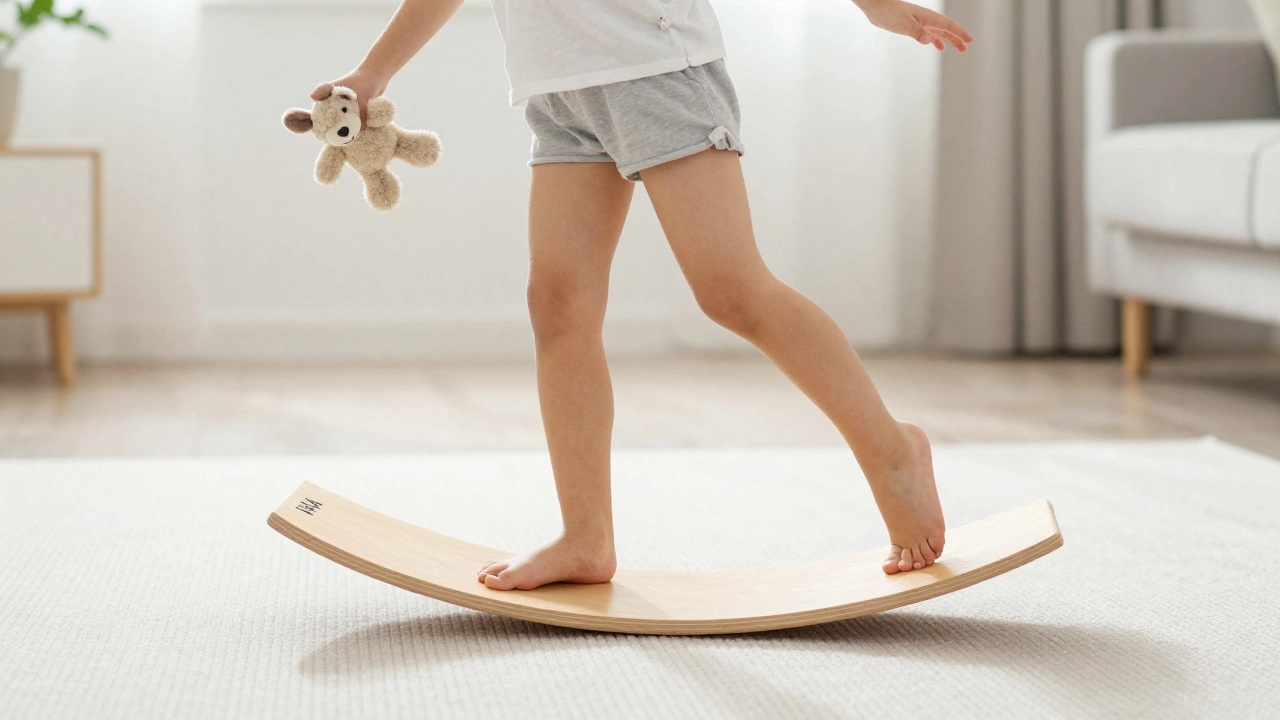
- Balance and movement toys like wobble boards, balance beams, or indoor trampolines let kids burn energy while improving coordination and body awareness.
- Puzzle and logic games with simple rules and visual cues-like Pattern Play, Tangrams, or Rush Hour Junior-train problem-solving skills in a way that feels like play.
Why Structure Matters
Children with ADHD often struggle with open-ended play. A blank canvas can feel overwhelming. That’s why toys with clear rules or steps work better than ones that leave too much to imagination.
Think of it like a video game: you know the goal, you get feedback when you succeed, and the challenge ramps up slowly. Toys that mimic this structure help kids stay in the zone. A marble run with a beginning and end? Perfect. A box of random blocks with no direction? Often ignored.
One parent in Vancouver shared that her 7-year-old, who used to quit any activity after 5 minutes, now spends 20 minutes building a LEGO tower because the instructions give him a roadmap. He doesn’t need to guess what to do-he just follows the next step.
What to Avoid
Not all toys marketed as "educational" are right for ADHD. Skip anything that:
- Has too many lights, sounds, or buttons-overstimulation leads to shutdown, not focus.
- Requires long attention spans without breaks-like complex board games with 30-minute setups.
- Relies on fine motor skills that are still developing-tiny puzzle pieces or delicate threading games can cause frustration.
- Is meant for quiet sitting-kids with ADHD need to move. Toys that ignore that need won’t hold their interest.
A flashy electronic learning tablet might seem perfect, but if it’s full of flashing animations and beeping sounds, it can actually make focus harder. Simpler, hands-on tools often win.
Real Examples That Work
Here are three specific toys that have stood the test of time and parent feedback:
- LEGO DUPLO My First Number Train - Combines counting, color matching, and building. The large pieces are easy to handle, and the train theme adds a narrative that keeps kids engaged.
- Therapy Putty - Comes in different resistances. Squeezing, stretching, and shaping it gives deep pressure input that calms the nervous system. Bonus: it’s mess-free when stored properly. Balance Board by HABA - A low, wooden board that wobbles slightly. Kids stand on it, shift weight, and play games like "hold this toy while balancing." It builds core strength and body awareness without needing screens.
These aren’t just toys-they’re tools that help kids regulate their energy, practice patience, and build confidence through small wins.
How to Choose the Right One
Every child with ADHD is different. Some need movement. Others need quiet focus. Here’s how to pick:
- Watch what your child naturally gravitates toward. Do they like to build? Touch things? Move constantly? Match the toy to their natural tendencies.
- Start simple. Try one new toy at a time. Don’t overwhelm with options.
- Let them lead. If they want to stack blocks instead of follow the instructions, that’s okay. The goal isn’t perfection-it’s engagement.
- Test it out. If they lose interest after 10 minutes, it might not be the right fit. Try something else.
There’s no magic toy that fixes everything. But the right one can become a daily anchor-a way for your child to feel capable, calm, and in control.
Make Playtime a Success
Play isn’t just entertainment for kids with ADHD-it’s therapy, practice, and growth all rolled into one. You don’t need to be an expert. You just need to pay attention.
Set up a small play zone with 2-3 toys that match your child’s needs. Rotate them weekly so they stay fresh. Join in sometimes-not to direct, but to play alongside. Your presence, not your correction, is what helps them feel safe enough to focus.
And remember: if a toy sits unused after two weeks, it’s not a failure. It just wasn’t the right fit. Try again next month. Kids change. So do their needs.
Can toys really help with ADHD symptoms?
Yes, the right toys can help manage common ADHD challenges like impulsivity, distractibility, and restlessness. They don’t cure ADHD, but they give kids tools to practice self-regulation, focus, and emotional control through play. Research shows that sensory-rich, structured play improves attention span and reduces anxiety in children with ADHD.
Are fidget toys good for ADHD?
Fidget toys can be very helpful if they’re used correctly. They’re not meant to be distractions-they’re meant to provide subtle sensory input that helps the brain stay calm and focused. Things like stress balls, textured rings, or putty allow hands to move while the mind stays on task. Avoid flashy, noisy fidgets-they can overstimulate instead of calm.
What age are these toys best for?
Most of these toys work well for children ages 3 to 12. Younger kids benefit from large, easy-to-handle pieces and sensory textures. Older kids can handle more complex puzzles, logic games, and building challenges. The key is matching the toy’s complexity to the child’s developmental level, not their age.
Should I buy expensive educational toys?
No. Expensive toys aren’t more effective. A simple bin of rice and hidden buttons can be just as powerful as a $100 learning kit. Focus on function, not price. Look for toys that offer tactile feedback, clear structure, and room for repetition. Many of the best tools cost under $20.
How long should a child play with these toys?
There’s no set time. Some kids will play for 5 minutes. Others for 45. The goal isn’t duration-it’s engagement. If they’re focused, even briefly, that’s a win. Try short, scheduled play sessions (10-15 minutes) and gradually increase as attention improves. Let them stop when they’re done-forcing it backfires.