Can I Baby Wear My 7 lb Baby? Safety, Fit & Gear Guide

Newborn Babywearing Safety Checklist
Use this interactive tool to verify you are following the "T.I.C.K.S." rule and other safety guidelines before wearing your baby.
Safety Score
Quick Tips
- Dress baby one layer less than yourself.
- Avoid facing out until 4 months old.
- Check temperature on neck/chest, not hands.
You’re holding your tiny bundle of joy. He weighs just seven pounds. You want to keep him close, maybe get some chores done, or simply soothe his crying by hearing your heartbeat. But a nagging thought pops up: is he too small? Is it safe to put such a fragile little human in a fabric sling or structured carrier? The short answer is yes, you absolutely can baby wear your 7 lb baby. In fact, for many parents, the newborn phase is when babywearing is most beneficial. However, doing it safely requires understanding exactly how to support their underdeveloped muscles and airway.
The Golden Rule: Airway First
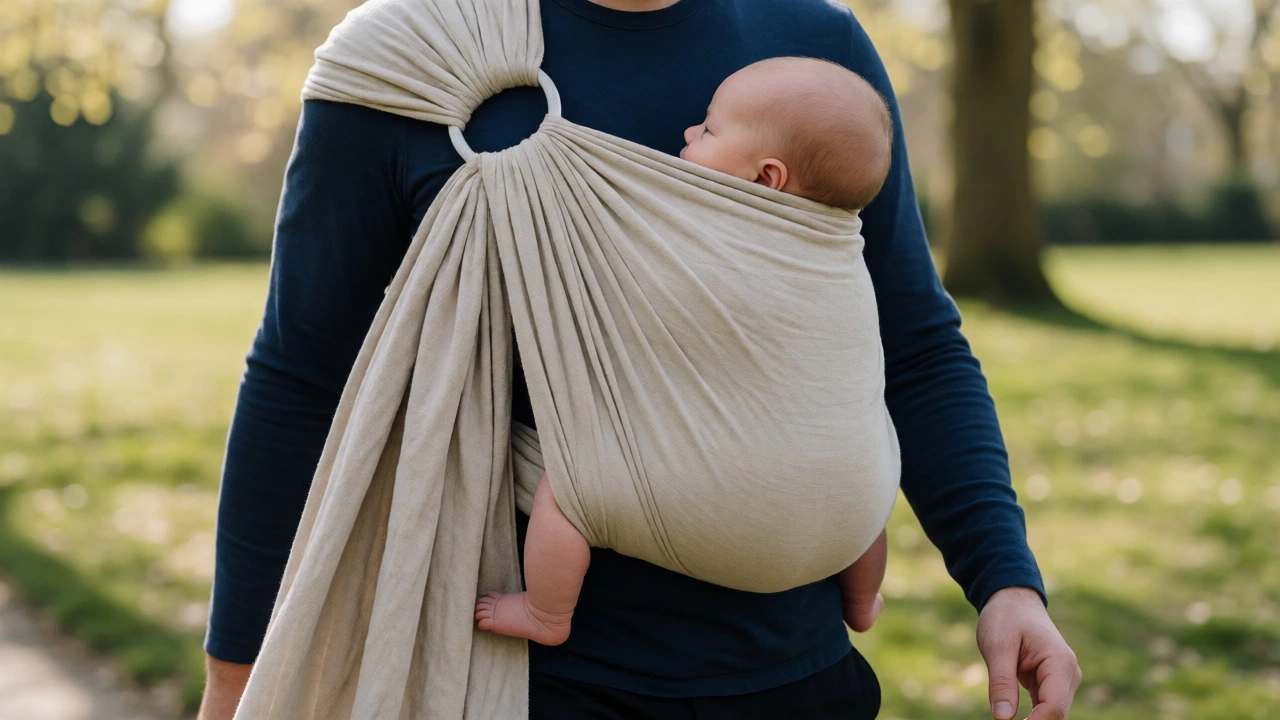
Before we talk about gear, let’s address the biggest fear every new parent has: suffocation. For a 7 lb newborn, this risk is real but manageable if you follow one simple rule. You must be able to see their face at all times. Their nose and mouth need to stay clear of any fabric or their own body. Newborns cannot turn their heads effectively if they get smushed against a chest or a tight strap. If their chin drops to their chest, their airway can close up. This is called positional asphyxia, and it’s silent. It doesn’t look like choking; it just looks like they are sleeping peacefully while not breathing well.
To prevent this, always use the "Kiss the Head" test. Tilt your head down and try to kiss the top of your baby’s head. If you can do this easily without straining, your baby is high enough and supported correctly. If you have to stretch or lift them up, they are sitting too low. Keep their head and neck aligned with their spine. No bending forward, no slumping. Think of their body as a straight line from hips to head.
Choosing the Right Carrier for a 7 lb Baby
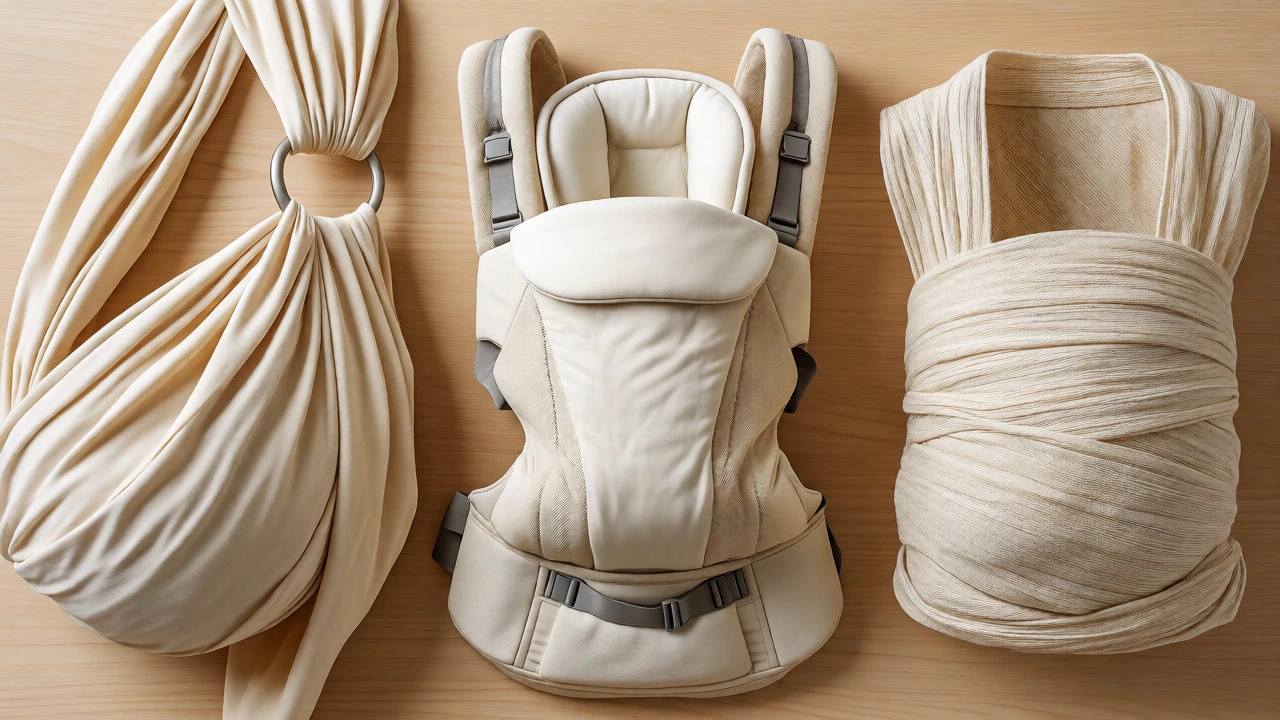
Not all carriers are created equal. A structured carrier that fits a six-month-old might swallow a 7 lb newborn whole. You need gear that adapts to their tiny size. Here is what actually works:
- Ring Slings: These are often the best choice for very small babies. Why? Because you adjust the fabric to fit the baby perfectly. There are no rigid panels forcing them into a shape they aren't ready for. You can create a custom pocket that supports their head and bottom simultaneously. Brands like Ergobaby offers ring slings designed specifically for newborns, but generic cotton ones work great too.
- Woven Wraps: If you love the cocoon feel, a woven wrap is fantastic. It distributes weight evenly across your shoulders and back. For a 7 lb baby, you want a thin, breathable fabric like bamboo or lightweight cotton. Thick wool wraps might be too bulky and hard to tighten around such a small torso. The key here is practice. You need to learn a basic front carry, like the Front Wrap Cross Carry (FWCC), which keeps the baby's legs in an M-shape.
- Structured Carriers with Inserts: Many modern carriers come with newborn inserts. These are padded cushions that reduce the seat width and add head support. Be careful here. Some inserts are too thick and push the baby's head forward, compromising the airway. Always check the manufacturer’s minimum weight. If the carrier says 7 lbs is the minimum, you can skip the insert. If it says 10 lbs, you need the insert. Never improvise with folded blankets inside a structured carrier unless the manual explicitly allows it.
| Carrier Type | Best For | Safety Note for 7 lb Babies | Learning Curve |
|---|---|---|---|
| Ring Sling | Quick on/off, breastfeeding on the go | Ensure fabric isn't bunched over nose/mouth | Moderate |
| Woven Wrap | All-day comfort, deep sleepers | Must maintain open airway; avoid tight binding | High |
| Structured Carrier | Parents with back pain, older siblings | Use only if certified for 7 lbs or use proper insert | Low |
| Pouch Sling | Simple, one-size-fits-most | Risky for very small babies; may lack head support | Low |
Positioning: The Froggy Position vs. C-Shape
You’ve probably heard of the "froggy position." This is where the baby’s knees are higher than their bottom, creating an M-shape with their legs. This is crucial for hip health. It prevents hip dysplasia, a condition where the hip joint doesn't form properly. For a 7 lb baby, getting this position in a structured carrier can be tricky because their legs are so short. If their legs hang straight down, it puts stress on their developing hips. Use a wider panel or an insert to ensure their thighs are fully supported from knee to knee.
But there’s a catch. While froggy is great for hips, newborns also need spinal support. Their spines are naturally curved in a C-shape. They don't have the muscle strength to sit upright yet. So, you aren't looking for a rigid seated position. You want a reclined, snug hug. Their back should be rounded slightly, matching their natural curve, but their head must be supported. If you are using a wrap, make sure the fabric covers their entire back and head. If you are using a carrier, the headrest needs to be up and firm enough to stop their head from flopping.
Temperature Regulation and Comfort
A 7 lb baby loses heat quickly. When you wear them, you become their heater. This is great in winter, but dangerous in summer. Vancouver winters are mild, but our summers can get surprisingly warm. Dress your baby in one layer less than you would dress yourself. If you are wearing a t-shirt, your baby might just need a diaper and a light swaddle. Check their neck or chest regularly. Hands and feet are poor indicators of temperature because they are often cool to the touch. If their chest feels hot or sweaty, take them out and remove a layer.
Hydration matters too. Breastfeeding or bottle-feeding while wearing is convenient, but make sure you are staying hydrated yourself. Your body is working harder to regulate two temperatures now. Drink water before you start wearing. Also, watch for overheating signs like flushed cheeks or rapid breathing. If your baby seems restless or sweaty, break the wear session. Take them out, cool them down, and try again later.
How Long Can You Wear Them?
There is no strict time limit, but listen to your baby. Most newborns tolerate being worn for 30 to 60 minutes at a stretch. After that, they might need a change, a feed, or just a break from the pressure. Pay attention to their cues. Are they squirming? Is their skin red where the fabric touches? Are they falling asleep instantly and then waking up screaming when you take them out? That last one means they were just exhausted, not necessarily comfortable.
Take breaks every few hours. Even if they seem happy, give their spine and hips a rest. Lay them on a firm surface for supervised tummy time. This strengthens their neck and back muscles, which will help them hold their head up better in the carrier next time. It’s a cycle: wear them to soothe, lay them down to strengthen, wear them again to bond.
Common Mistakes to Avoid
Let’s troubleshoot some common errors. First, never wear your baby facing out until they are at least four months old. Facing out forces their legs into a dangling position and exposes them to overstimulation. For a 7 lb baby, inward-facing is non-negotiable. Second, don’t overtighten. You want snugness, not compression. You should be able to slide two fingers between the fabric and your baby’s chest. If you can’t, loosen it up. Tightness restricts breathing and circulation.
Third, ignore the "it hurts my back" excuse. If a carrier hurts, it’s adjusted wrong. Newborns are light, so they shouldn’t cause strain. If they do, the weight isn't distributed right. Shift the carrier lower on your hips or tighten the shoulder straps. Remember, the majority of the weight should rest on your hips, not your shoulders. For a 7 lb baby, this is easy to achieve, but bad habits stick fast.
Is it safe to sleep in a baby carrier?
Yes, but with caution. If your baby falls asleep while wearing, you must continue to monitor their airway. Ensure their chin is off their chest and their nose is clear. Do not leave them unattended in a carrier. If you need to move around, keep checking their breathing. If you are going to lie down, transfer them to a crib. Sleeping in a slumped position in a carrier for long periods increases suffocation risks.
Do I need a special insert for a 7 lb baby?
It depends on the carrier. Check the user manual. Some structured carriers are designed to fit newborns from 7 lbs without an insert. Others require one. If you use an insert, make sure it doesn't push the baby's head forward. Ring slings and wraps usually do not need inserts because the fabric molds to the baby's shape. Never use third-party inserts unless the carrier manufacturer approves them.
Can babywearing cause hip dysplasia?
No, correct babywearing helps prevent it. Hip dysplasia is caused by legs hanging straight down in a narrow seat. Proper positioning keeps the knees higher than the bottom (M-shape). This supports the hip socket development. Always ensure the fabric supports the thighs from knee to knee. If the legs dangle, adjust the carrier or switch to a wrap/sling.
What if my baby hates being worn?
Some babies resist initially. Try wearing them after a feed when they are calm. Move around gently. Sometimes the motion soothes them. If they cry immediately, check the fit. Maybe they are too hot, or the fabric is bunching near their face. Try a different type of carrier. A ring sling might feel less restrictive than a structured pack. Patience is key; it often takes a few tries to find what works.
Is it okay to breastfeed while babywearing?
Absolutely. In fact, it’s one of the best perks. Loosen the fabric slightly to bring the baby to the breast. Make sure their nose remains uncovered during latching. Once finished, re-tighten the fabric to ensure they remain secure and supported. Practice makes perfect, so try it in a safe place first, like over a bed, in case they slip.
Final Thoughts on Starting Out
Starting with a 7 lb baby is actually easier than starting with a 20 lb toddler. They are light, compact, and generally content to be held. The learning curve is steep at first, but once you get the hang of supporting their head and keeping their airway open, it becomes second nature. Don’t stress about perfection. Focus on safety basics: visible face, clear nose, supported hips. Grab a mirror. Put your baby in the carrier. Look at them. Does their chin look tucked? Is their nose free? If yes, you’re good to go. Go for a walk. Enjoy the closeness. You’re building trust and bonding, and you’re doing it safely.