Can I Use a Pet Gate as a Baby Gate? Safety Risks, Standards, and What to Buy Instead
Gate Safety Compliance Checker
Select the features of your gate below to see if it is safe for use with a toddler.
Gate Features
Safety Assessment
Safe for Toddlers
This gate appears to meet safety standards for child use.
It’s 2 AM. You’re exhausted. The dog is barking at the door, and you realize your toddler has just started pulling up on furniture. You look at the sturdy metal gate keeping your golden retriever out of the kitchen and think: "Why buy another one? It looks strong enough." It’s a logical thought. But here’s the hard truth: you should never use a pet gate as a baby gate. While they might look similar from a distance, the engineering, safety mechanisms, and regulatory standards behind them are worlds apart.
I’ve spent years testing gear for families in Vancouver, from narrow staircases to wide open-plan living rooms. The difference between a gate designed for a 60-pound dog and one designed for a 35-pound toddler isn’t just about weight capacity-it’s about how that weight moves, pushes, and climbs. Using the wrong gate can turn a minor inconvenience into a serious injury risk. Let’s break down exactly why these two products aren’t interchangeable and what you actually need to keep your little ones safe.
The Critical Difference: Who Is the Adversary?
To understand why you can’t swap these gates, you have to look at who-or what-you’re trying to contain. A pet gate is designed to stop an animal that primarily walks through openings or jumps over them. Dogs don’t typically climb vertical bars like ladders, nor do they understand the concept of unlatching a mechanism by turning a knob. They push against the gate with their bodies, often directly in the center.
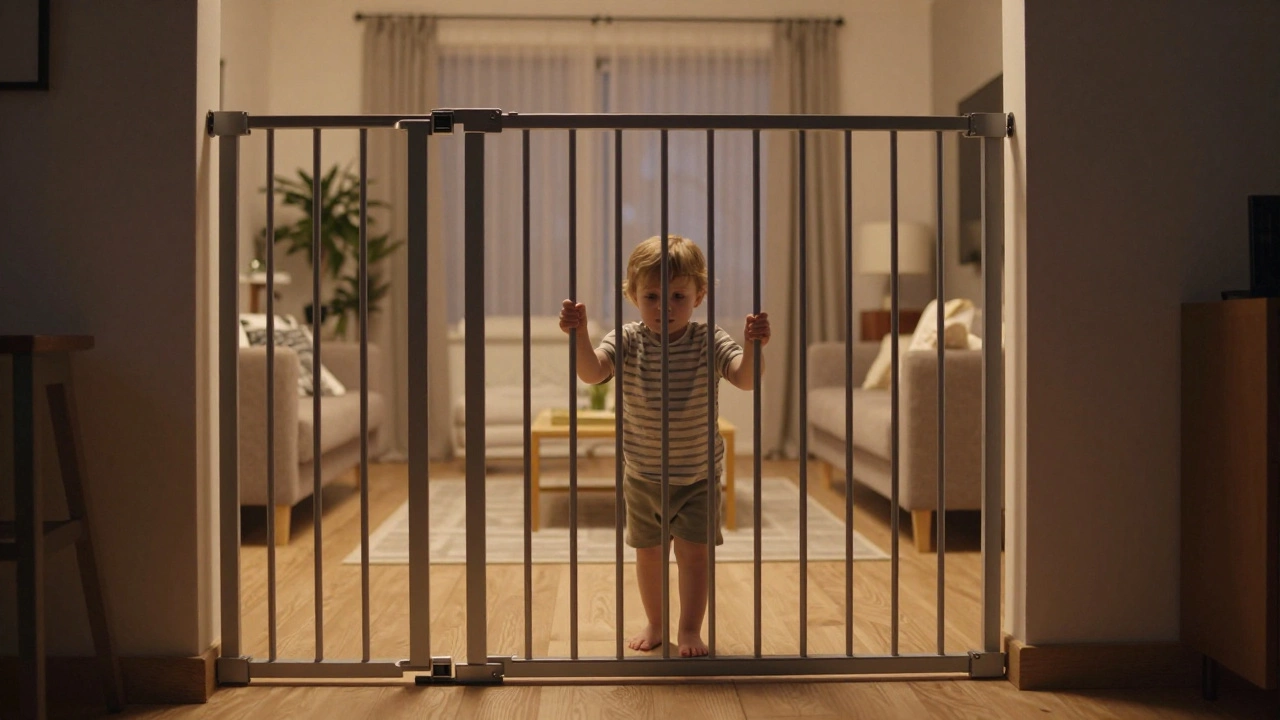
A baby gate, specifically a child safety gate, is designed to stop a human toddler. Toddlers are curious, strong, and surprisingly clever. They pull themselves up using the gate as a ladder. They reach for knobs. They lean their full body weight against the latch side. Because of this, baby gates are engineered to resist climbing and to prevent small fingers from operating the release mechanism.
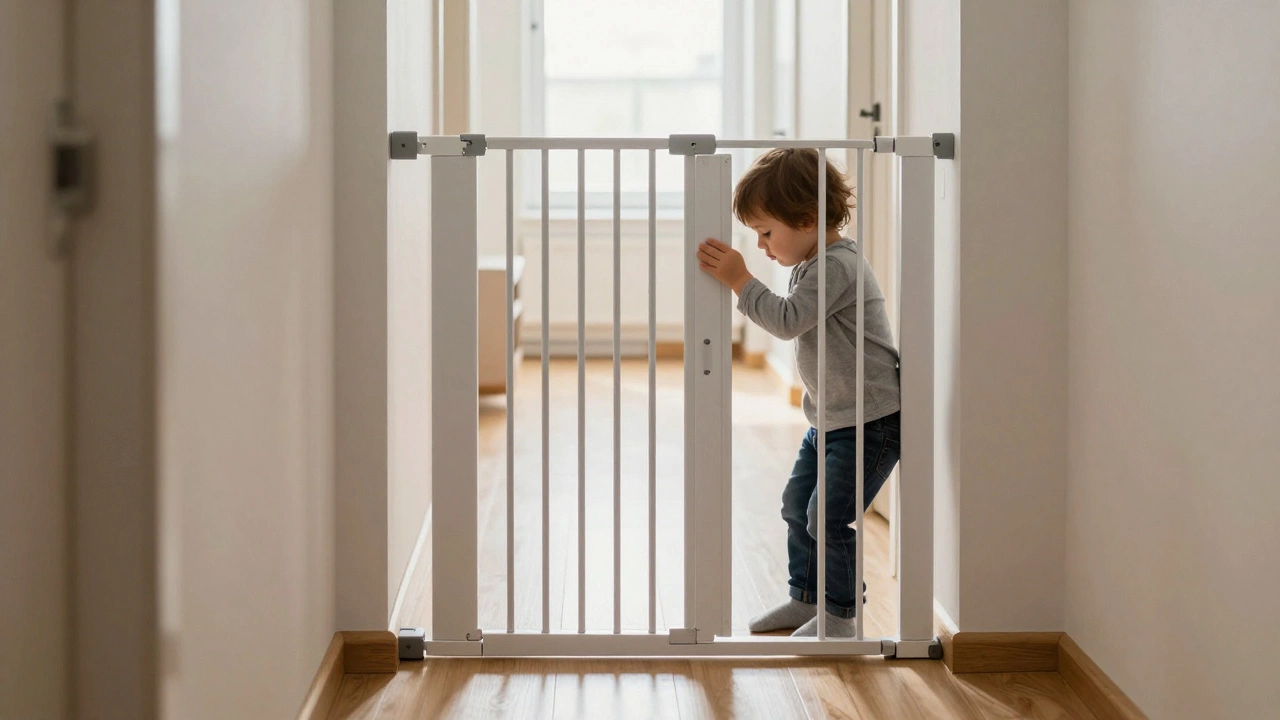
If you put a pet gate on your stairs, your toddler might not be able to jump over it, but they could easily climb up the horizontal bars (if present) or slip through gaps that would never be an issue for a dog. The design philosophy is fundamentally different.
Safety Standards: ASTM F1004 vs. None
This is the most important technical distinction. In North America, including Canada and the US, legitimate baby gates must comply with ASTM F1004. This is the standard specification for performance requirements for safety gates. It dictates everything from the spacing of bars to the strength of the latch.
- Bar Spacing: ASTM F1004 requires that vertical bars be no more than 3 inches (7.6 cm) apart. This prevents a toddler’s head from getting stuck between the bars. Many pet gates have wider spacing because dogs don’t have heads that fit through 3-inch gaps in the same way, or because the gate is designed for larger animals.
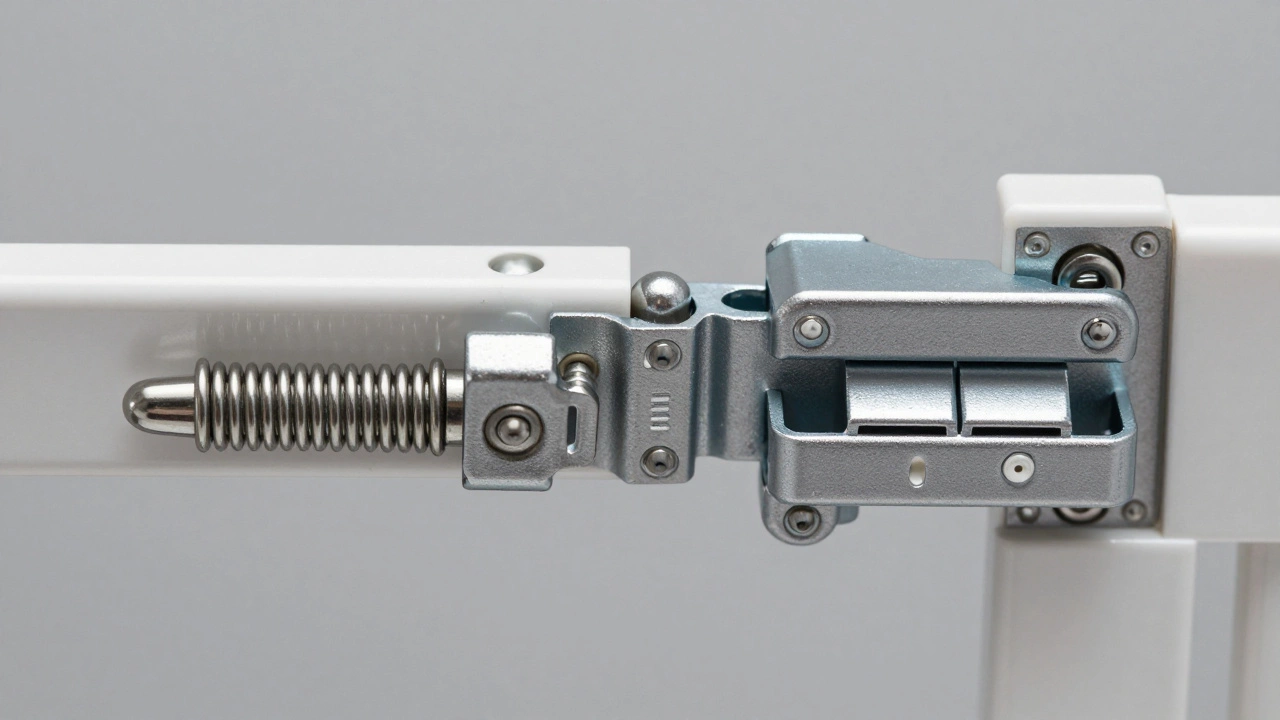
- Latch Mechanisms: Baby gates require double-action latches or complex locking systems that a child under 4 cannot open. Pet gates often use simple spring-loaded latches or magnetic catches that a determined toddler could figure out quickly.
- Structural Integrity: Baby gates are tested to withstand significant force applied at various points, including the latch and the center, simulating a child leaning or falling against it.
Pet gates generally do not undergo this rigorous testing. They might be made of heavy-duty steel, but if the latch fails when a child leans on it, or if the bar spacing allows a head entrapment hazard, the gate is unsafe for children. There is no equivalent "ASTM" standard for pet containment that addresses human safety risks.
Pressure-Mounted vs. Hardware-Mounted: The Installation Trap
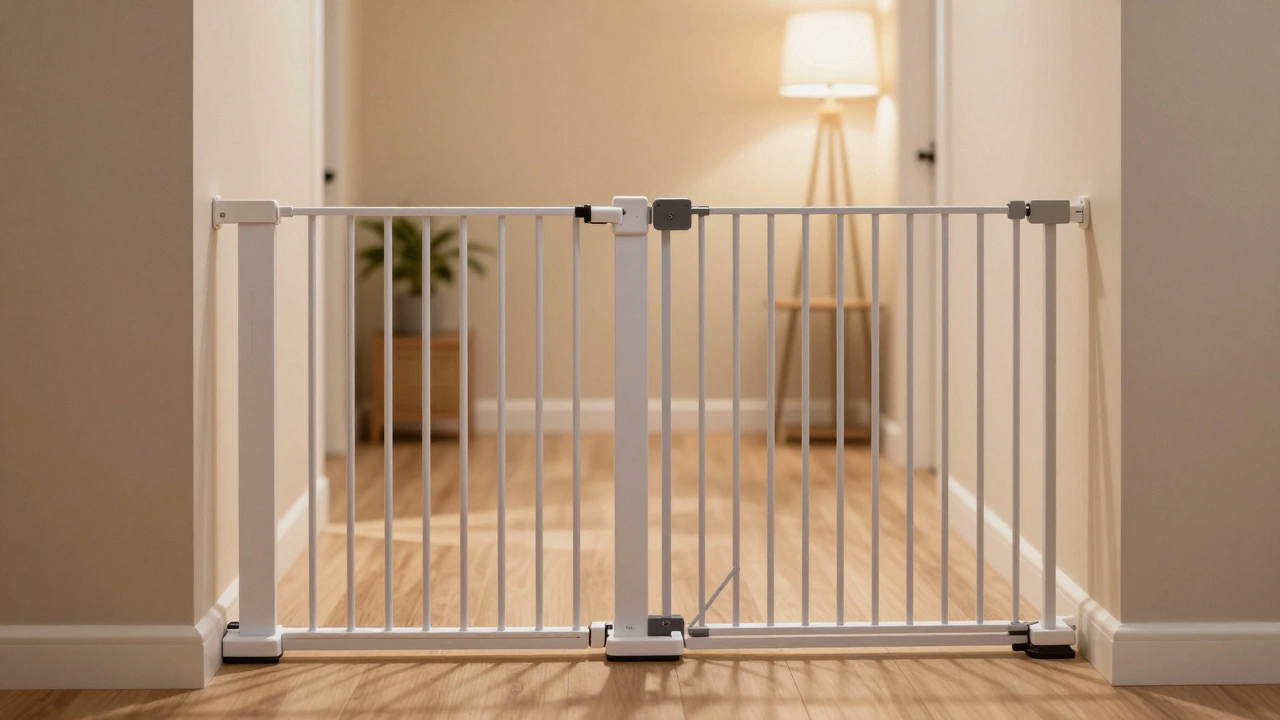
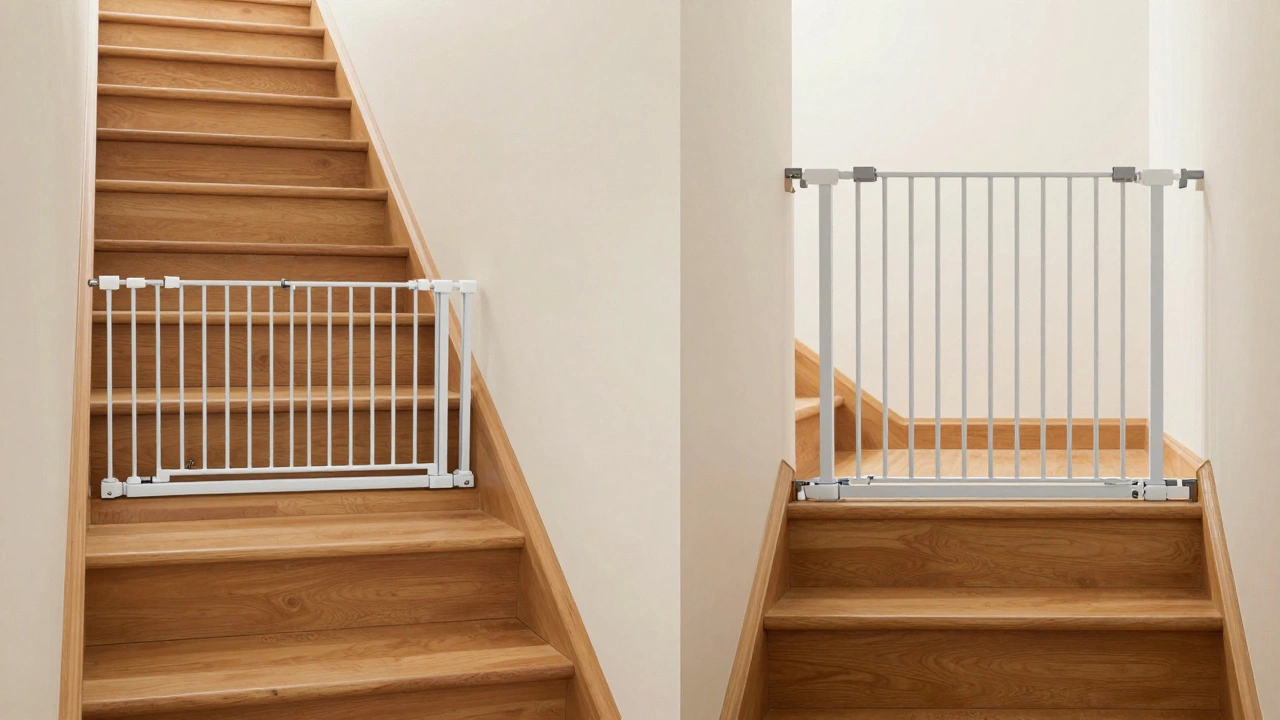
You might argue that some high-end pet gates are pressure-mounted and look identical to baby gates. Even then, caution is key. Pressure-mounted gates rely on friction against the wall to stay in place. They are convenient for hallways and doorways, but they are never recommended for the top of stairs.
If you install a pressure-mounted pet gate at the top of a staircase, a toddler climbing on it could generate enough leverage to dislodge the entire unit. When buying a baby gate, reputable manufacturers clearly label whether it is suitable for stairs. Most pet gate manufacturers do not make this distinction because their product isn’t intended for human use. If you see a gate labeled only for pets, assume it lacks the structural reinforcement needed for a child’s dynamic movement.
Hardware-mounted gates, which screw into the wall, are much safer for stairs and high-traffic areas. However, even if you drill holes for a pet gate, the internal frame may not be designed to handle the specific torque and tension created by a child pulling up on the top rail. Baby gates have reinforced corners and specific load-bearing calculations built into their design.
The Climbing Hazard: Horizontal Bars
Look closely at your pet gate. Does it have horizontal bars? Many pet gates, especially those for large breeds, feature horizontal rails to prevent dogs from pushing through. For a toddler, horizontal bars are a ladder.
ASTM F1004 explicitly discourages horizontal components that facilitate climbing. If a toddler can get a foot or hand hold on a horizontal bar, they can pull themselves up and potentially tip the gate over or fall forward. Baby gates are designed with vertical slats or mesh panels that offer no footholds. If your pet gate has any horizontal elements within reach of a standing child, it is a climbing hazard.
When Can You Use a Pet Gate Around Kids?
There is one scenario where a pet gate is acceptable around children: when it is used to keep the child out of a room where the pet is, and the child is too young to interact with the gate independently. For example, if you have a crate area for your dog in the laundry room, and your infant is crawling but not yet walking, a pet gate might suffice as a temporary barrier during supervised play. However, once your child starts pulling up on objects or walking, you must upgrade to a certified child safety gate.
Also, consider the material. Some pet gates are made of wood or soft materials that could splinter or break under the stress of a climbing child. Metal and reinforced plastic are preferred for baby gates due to their durability and smooth surfaces.
| Feature | Pet Gate | Baby Gate (Child Safety Gate) |
|---|---|---|
| Primary Purpose | Contain pets | Protect children from hazards |
| Safety Standard | None (usually) | ASTM F1004 / CPSC |
| Bar Spacing | Often >3 inches | Must be ≤3 inches |
| Latch Type | Simple spring/magnetic | Double-action/complex lock |
| Climb Resistance | Low (often has horizontal bars) | High (vertical slats/mesh) |
| Stair Use | Not recommended | Yes (if hardware-mounted) |
What to Look for When Buying a Baby Gate
Don’t compromise on safety. When shopping for a child safety gate, check for these specific features:
- ASTM Certification: Look for the ASTM F1004 label on the packaging. This ensures the gate has been tested for safety.
- No Horizontal Bars: Choose gates with vertical slats or mesh. Avoid any gate with rungs that look like a ladder.
- Secure Latch: The latch should require two actions to open (e.g., lift and pull, or twist and pull). It should be located high enough that a toddler can’t reach it easily.
- Proper Fit: Measure your doorway or stair opening carefully. Gaps larger than 0.5 inches can pose a finger-trapping hazard.
- Mounting Type: Use hardware-mounted gates for stairs. Pressure-mounted gates are fine for hallways and doorways, but ensure they are installed tightly.
Brands like Summer Infant, Richell, and Mommy’s Helper are well-known for producing gates that meet these standards. They offer a range of options from simple pressure-mounted models to heavy-duty hardware-mounted gates for wide openings.
Common Mistakes Parents Make
I’ve seen many parents try to DIY solutions that end up being dangerous. Here are the biggest pitfalls:
- Using Furniture as a Barrier: Never rely on bookshelves or tables to block access. They can tip over if a child pulls on them.
- Ignoring Gap Hazards: If the gate doesn’t fit snugly against the wall, a child can slip their head or fingers into the gap. Use extension kits if needed.
- Assuming "Strong" Means "Safe": A heavy-duty dog gate might be unbreakable, but if the latch is easy to open or the bars are spaced too far apart, it’s still unsafe for kids.
- Not Checking for Recall Notices: Always check the Consumer Product Safety Commission (CPSC) website for recalls on any gate you buy, whether new or second-hand.
Final Thoughts on Child Safety
Your home is your sanctuary, but it’s also full of potential hazards for a curious toddler. Stairs, kitchens, and bathrooms are prime danger zones. Investing in a proper child safety gate is not just about convenience; it’s about peace of mind. The cost of a quality baby gate is negligible compared to the risk of injury. Don’t let the similarity in appearance fool you-pet gates and baby gates serve different masters. Stick to the standards, choose wisely, and keep your little explorer safe.
Can I use a pet gate at the top of the stairs for my baby?
No, you should never use a pet gate at the top of the stairs for a baby. Pet gates are not designed to meet the safety standards required for child protection, such as ASTM F1004. They often lack the secure latching mechanisms and climb-resistant design necessary to prevent a toddler from falling down the stairs. Always use a hardware-mounted baby gate specifically rated for stair use.
What is the main difference between a pet gate and a baby gate?
The main difference lies in safety standards and design intent. Baby gates are engineered to prevent climbing and head entrapment, with bar spacing no wider than 3 inches and complex latches that toddlers cannot operate. Pet gates are designed to contain animals and often have wider bar spacing, simpler latches, and horizontal bars that can act as ladders for children.
Are pressure-mounted gates safe for babies?
Pressure-mounted gates are safe for babies when used in doorways and hallways, provided they are installed correctly and fit snugly. However, they are not safe for the top of stairs. At the top of stairs, a child climbing on the gate could dislodge it. For stairs, always use a hardware-mounted gate that is screwed into the wall.
How do I know if a gate meets safety standards?
Look for the ASTM F1004 certification mark on the packaging or the gate itself. This standard ensures the gate has been tested for structural integrity, latch security, and bar spacing. Additionally, check for compliance with CPSC regulations in the US or CSA standards in Canada. Reputable brands will clearly state their compliance with these safety standards.
Can I use a wooden pet gate for my toddler?
Generally, no. Wooden pet gates often have horizontal slats that encourage climbing and may not have the secure latching mechanisms required for child safety. Unless the wooden gate is specifically marketed and certified as a child safety gate meeting ASTM F1004 standards, it should not be used to contain a toddler. The risk of climbing and falling is too high.