Car Seat vs. Booster for a 5-Year-Old: The Safety Guide
Booster Seat Readiness Checker
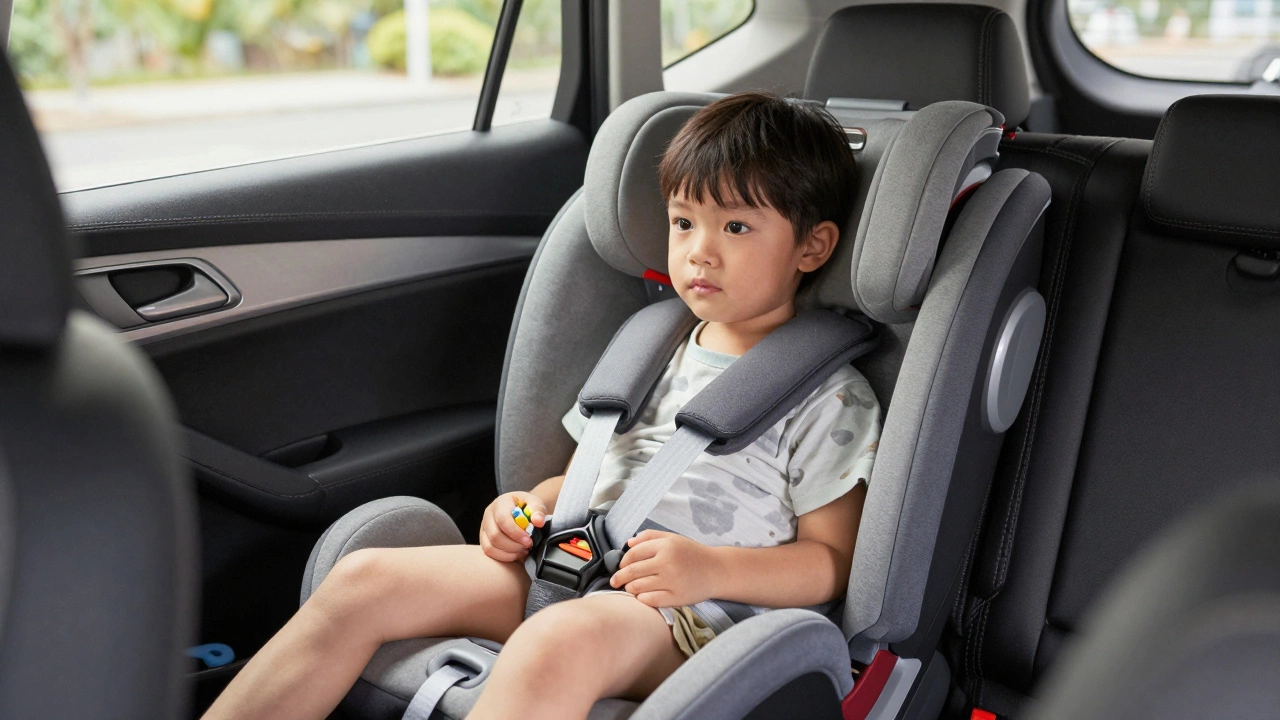
It is that tricky age where your child feels like a big kid but still needs serious protection in the car. At five years old, most children are right on the edge of transitioning from a harness car seat to a booster seat that relies on the vehicle's seat belt. The instinct might be to upgrade because they look older or complain about being "too small" for their current seat. However, safety experts and crash data tell a different story. Keeping them in a harness longer is almost always the safer bet.
The decision isn't just about what the law says; it is about physics. A five-year-old’s skeletal structure is not fully developed enough to handle the force of a crash without the distributed support of a five-point harness. If you switch too early, you risk severe injury. Let’s break down exactly when to make the switch, how to check if they are ready, and why waiting is the best choice.
The Golden Rule: Harness Over Belt
The most important rule in child passenger safety is simple: keep your child in a five-point harness as long as possible. A five-point harness is a restraint system with straps over the shoulders, hips, and between the legs distributes crash forces across the strongest parts of the body-the pelvis and shoulders. In contrast, a vehicle’s lap-and-shoulder belt is designed for adults. It sits higher on a child’s slender frame, often riding up onto the abdomen or slipping off the shoulder.
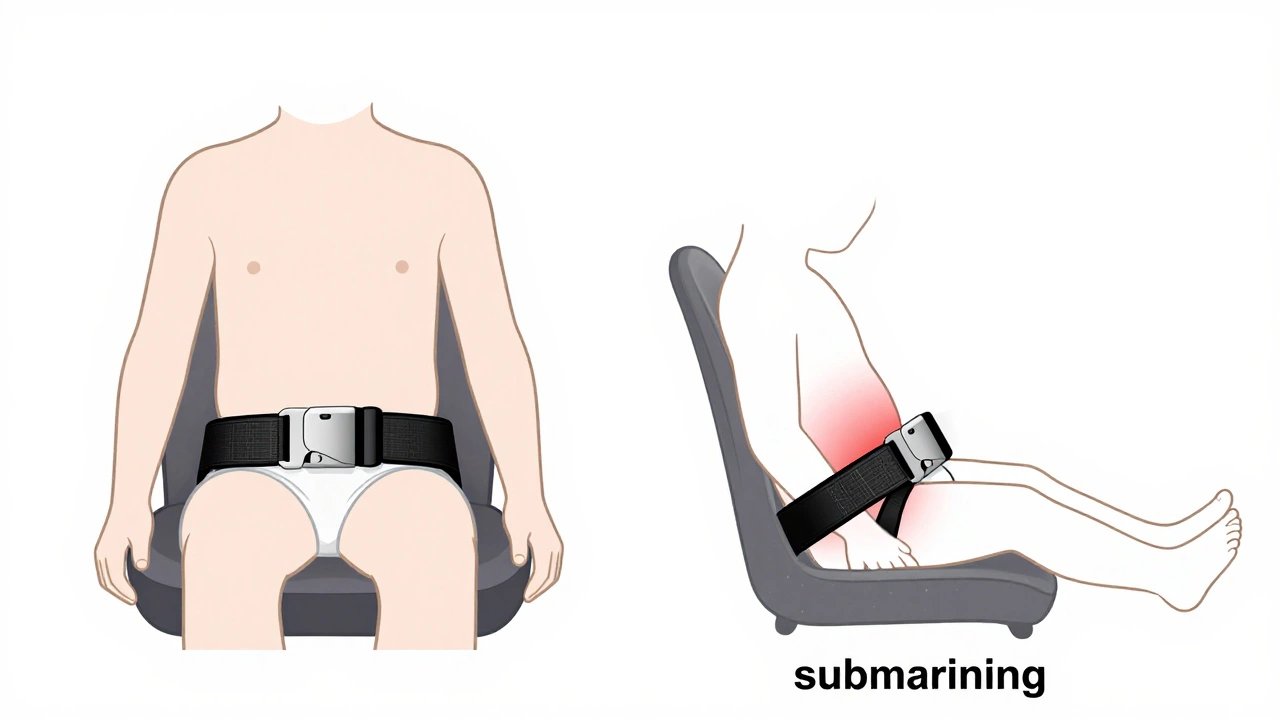
In a crash, an adult-sized belt can cause internal injuries to soft organs like the liver or spleen if it digs into the stomach. This is known as "submarining," where the child slides under the lap belt. For a five-year-old, the risk of submarining is high unless they meet specific height requirements, which very few five-year-olds do. Most manufacturers recommend keeping children in forward-facing seats with harnesses until they reach the maximum weight or height limit, often 65 pounds or more.
Why Age Alone Is Misleading
Many parents assume that turning five means it is time for a booster. But age does not equal physical readiness. While some states have laws allowing boosters at four or five, these laws represent the minimum legal requirement, not the safety optimum. The National Highway Traffic Safety Administration (NHTSA) is the U.S. federal agency responsible for traffic safety standards and research strongly advises against switching based on age alone.
Consider this: a five-year-old might weigh 40 pounds, which sounds substantial. But their bones are still porous and flexible compared to an adult’s. Their head is also proportionally larger, making whiplash a significant concern in side-impact crashes. A harness keeps the head and torso aligned, reducing neck strain. A booster simply elevates the child so the seat belt fits better, but it offers no active restraint during a collision. If the child unbuckles-a common behavior at this age-they are completely unprotected in a booster.
How to Check If Your Child Is Ready for a Booster
If you are considering a transition, you need to look beyond the birthday cake. There are five clear milestones your child must meet before moving to a high-back booster seat is a device that positions the child so the vehicle seat belt fits correctly across the shoulder and lap. These are often called the "Five-Step Test."
- Sits all the way back: Does your child sit flat against the car seat back with knees bent comfortably over the edge? If their legs are too short, the lap belt will ride up.
- Knees bend naturally: When sitting back, do their knees bend at the edge of the seat cushion? If not, they may slide forward during braking.
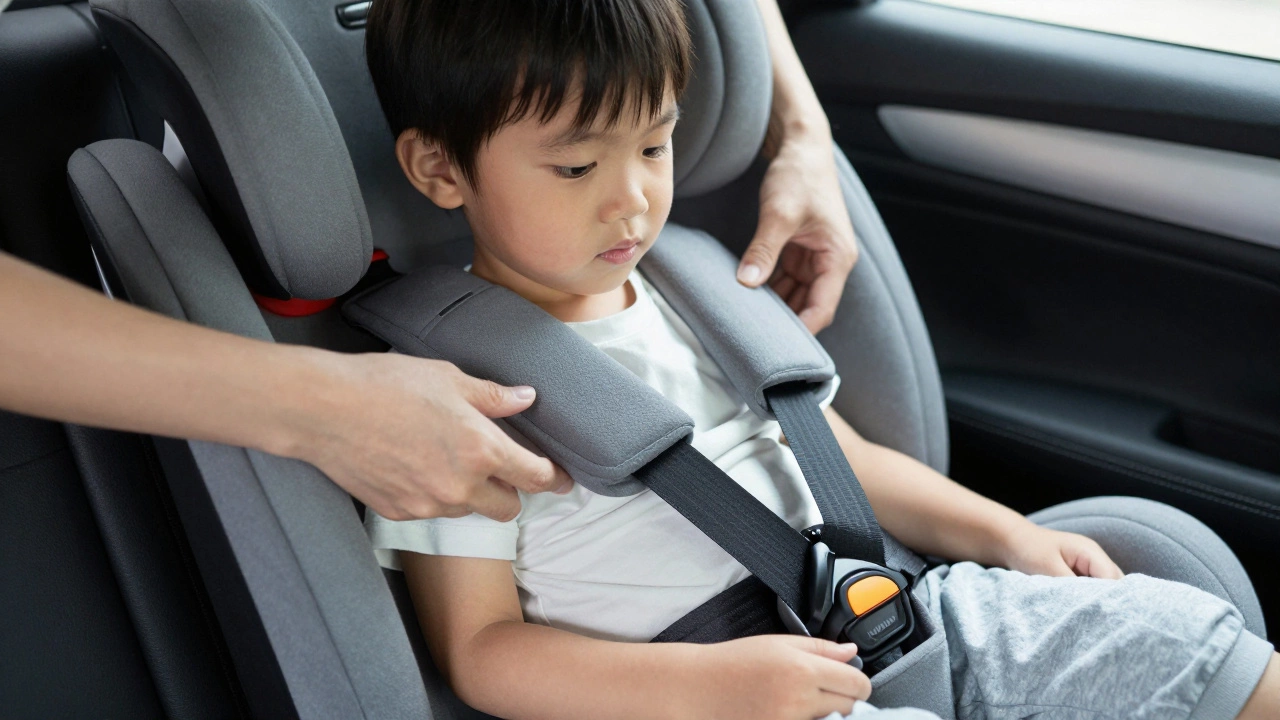
- Shoulder belt position: Does the shoulder belt lie comfortably across the collarbone and chest? If it cuts across the neck or face, they are not ready.
- Lap belt position: Does the lap belt sit low on the hips, touching the upper thighs? If it rests on the soft belly, it is dangerous.
- Stays seated properly: Can your child stay in the correct position for the entire trip without slouching or climbing out?
If your five-year-old fails even one of these steps, they should remain in a harness seat. Most five-year-olds fail the shoulder belt test because their shoulders are not broad enough yet. Waiting another year or two makes a huge difference in safety.
Understanding Car Seat Limits and Types
To make an informed decision, you need to know the limits of your current equipment. Not all car seats are created equal. Here is how the main types compare for a five-year-old.
| Seat Type | Typical Weight Limit | Best For | Safety Level |
|---|---|---|---|
| Convertible (Rear-Facing) | Up to 50-65 lbs | Maximum crash protection | Highest |
| Forward-Facing Harness | Up to 65-80 lbs | Children who outgrow rear-facing | High |
| Booster Seat | 40-120 lbs | Taller children with proper bone maturity | Moderate (depends on fit) |
Note that many modern convertible seats allow rear-facing up to 50 or even 65 pounds. If your five-year-old is still within those limits, rear-facing is the gold standard. It protects the head, neck, and spine by distributing forces evenly across the back of the seat. Even if they are forward-facing, staying in a harness seat with a high weight limit (like 65 lbs) provides far more security than a booster.
State Laws vs. Best Practices
Laws vary significantly by state, which can create confusion. Some states require boosters only until age eight, while others stop at seven. A few states allow children to use adult seat belts at age four if they meet height requirements. However, these laws are often outdated or based on political compromises rather than latest crash data.
Always follow the manufacturer’s instructions for your specific car seat. Federal law requires you to use the seat according to its label, regardless of what your state statute says. If the manual says "do not remove harness until child reaches 65 pounds," you must follow that. Ignoring the manual can void insurance coverage in the event of an accident.
Common Mistakes Parents Make
I see the same errors repeatedly at car seat inspection stations. Avoid these pitfalls to keep your child safe.
- Switching too early due to complaints: Children will protest anything that restricts them. Give them a special "big kid" blanket or toy for the harness seat, but do not compromise safety for comfort.
- Using a backless booster too soon: High-back boosters provide side-impact protection and help guide the seat belt. Backless models offer less protection and are harder to position correctly. Wait until the child is taller and more mature before considering a backless model.
- Ignoring the shoulder belt: Never let a child use a shoulder belt clip or tuck the belt behind their back. This removes the critical upper-body restraint. If the belt hurts, the child is not ready for the booster.
- Assuming "one-size-fits-all": Every child grows differently. A tall five-year-old might fit a booster, while a smaller five-year-old definitely should not. Judge by size and fit, not just age.
When to Actually Switch
So, when is the right time? For most five-year-olds, the answer is "not yet." Aim to keep them in a forward-facing harness seat until they reach the top weight or height limit listed on the seat’s label. This is often around age six, seven, or even eight for larger seats.
Once they outgrow the harness, move to a high-back booster. Continue using the booster until they pass the Five-Step Test consistently, usually around age eight to twelve. Only then should they transition to using the vehicle’s seat belt alone. By waiting, you give their bodies time to grow strong enough to handle the forces of a crash. It is a small inconvenience now that could prevent life-altering injuries later.
Can a 5-year-old legally use a booster seat?
Legality depends on your state. Some states allow boosters at age 4 or 5 if the child meets height/weight criteria. However, legality does not equal safety. Experts recommend keeping children in harness seats as long as possible, often until age 7 or 8.
Is rear-facing better for a 5-year-old?
Yes, absolutely. If your convertible car seat allows rear-facing up to 50 or 65 pounds, keeping your 5-year-old rear-facing is the safest option. It provides superior protection for the head, neck, and spine in frontal crashes.
What if my 5-year-old hates the harness?
Do not switch to a booster just because they complain. Use positive reinforcement, such as letting them choose their own car toys or snacks. Remind them that the harness keeps them safe. Consistency is key-giving in teaches them that protesting works.
How do I know if the seat belt fits my child correctly?
Perform the Five-Step Test. The shoulder belt must cross the middle of the chest and shoulder, not the neck. The lap belt must lie low on the hips/thighs, not the stomach. If either part rides up or causes discomfort, they need a harness or a different booster.
Are high-back boosters safer than backless ones?
Yes, especially for younger children. High-back boosters provide side-impact protection and help position the vehicle’s shoulder belt correctly. Backless boosters rely entirely on the car’s headrest and offer less guidance for the belt. Use a high-back model until your child is tall enough and mature enough to stay positioned correctly.