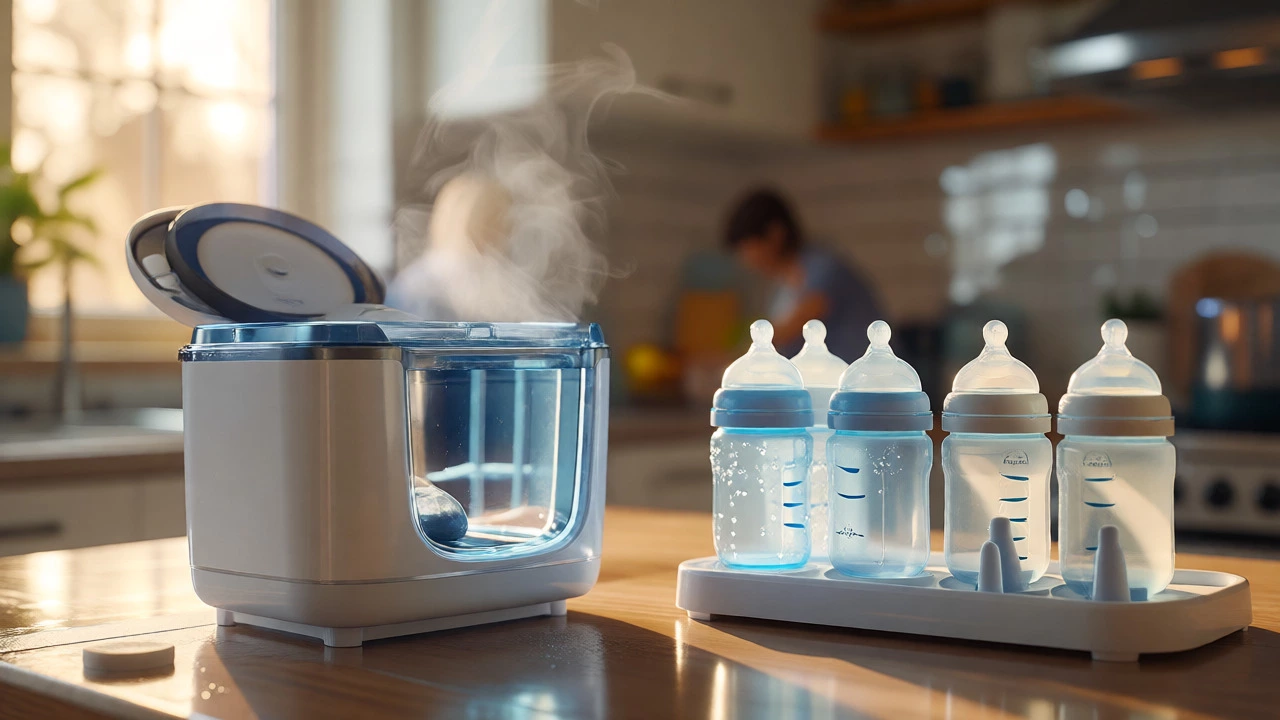
Do Baby Bottles Need to Be Completely Dry? What Really Matters After Washing
Baby Bottle Safety Checker
Is Your Bottle Drying Method Safe?
This tool helps you determine if your bottle drying process meets safety standards based on CDC and AAP guidelines.
How do you clean your bottles?
How do you dry your bottles?
How long will you store bottles before use?
How do you store bottles before use?
After washing your baby’s bottles, you stare at them-dripping wet on the drying rack-and wonder: Do baby bottles need to be completely dry? You’ve heard conflicting advice. Some say moisture invites bacteria. Others say it’s fine as long as you sterilized them. The truth? You’re overthinking it.
Why the obsession with dry bottles?
The fear comes from a simple idea: water = bacteria growth. And it’s not wrong. Bacteria thrive in moist, warm environments. A damp bottle left in a humid kitchen could become a breeding ground for mold or germs-especially if it’s stored sealed with leftover milk residue inside. But here’s the catch: the bottle itself isn’t the problem. It’s what’s inside it.Most health experts, including the CDC and the American Academy of Pediatrics, agree that thorough washing and proper storage matter far more than whether the bottle is bone-dry. If you rinse it well, sterilize it (if needed), and store it properly, a little moisture won’t hurt your baby.
When drying really matters
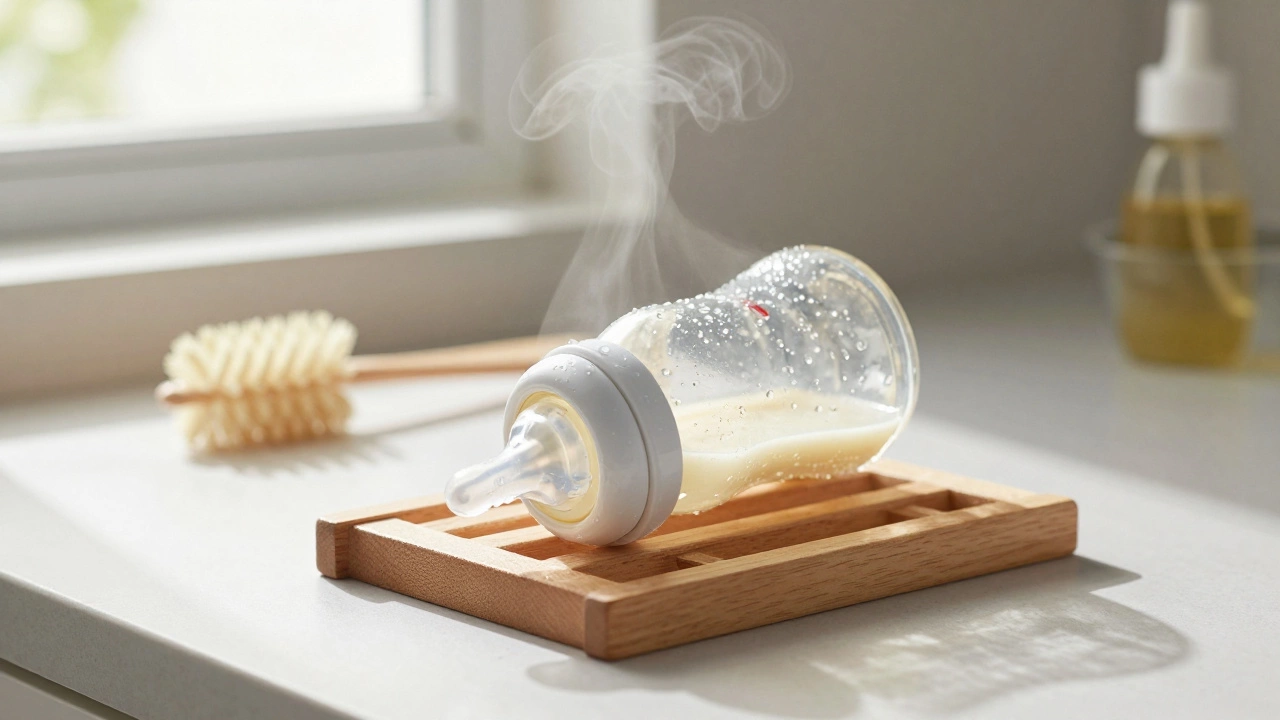
There are two situations where drying your bottles matters more:- You’re using a dishwasher without a heated dry cycle. If your dishwasher just rinses and cools, water pools in the nipple, valve, or base. That’s a perfect spot for mold to grow-especially if you leave bottles sitting for hours before storing. In this case, air-drying upside down on a clean rack helps.
- You’re storing bottles for later use. If you wash bottles after feeding but won’t use them for 12+ hours, moisture trapped inside can turn into a biofilm-a slimy layer of bacteria that’s hard to remove. That’s why it’s smart to let them air-dry fully before capping and storing.
But if you’re washing bottles right before feeding? No need to wait. Just shake out the excess water, pop on the nipple and cap, and you’re good to go. The milk you’re about to add will flush out any remaining droplets anyway.
Sterilization vs. drying: What’s the real priority?
Many parents think sterilizing bottles is the key to safety. But sterilization isn’t needed every time-unless your baby is under 3 months old, was born prematurely, or has a weakened immune system. For most healthy babies over 3 months, washing with hot soapy water (or a dishwasher with a hot cycle) is enough.Sterilizing doesn’t replace drying. It replaces the need for perfect hygiene between washes. If you boil, steam, or microwave sterilize your bottles, you’re killing bacteria on contact. The moisture left behind after sterilizing? It’s clean water. No germs. No risk.
Think of it like this: you wouldn’t panic if your coffee mug was wet after the dishwasher. You’d just use it. Same with baby bottles-once cleaned and sterilized, a little water isn’t dangerous.
What about mold in bottle nipples?
This is where people get scared. Mold can grow in the tiny crevices of bottle nipples, especially if they’re not disassembled and cleaned properly. But mold doesn’t grow because the bottle is wet-it grows because it’s dirty and damp for days.Here’s how to prevent it:
- Take apart every part: nipple, cap, ring, valve. Clean each piece by hand with a bottle brush.
- Soak nipples in vinegar water (1:1 vinegar and water) for 30 minutes once a week to break down milk residue.
- Always store bottles with parts separated-not stacked or capped tightly while wet.
- Replace nipples every 2-3 months, or sooner if they get sticky, cracked, or discolored.
That’s more important than waiting 45 minutes for a bottle to air-dry.
The drying rack myth
You’ve seen those fancy drying racks with tiny slots and UV lights. They’re marketed as essential. But here’s what they don’t tell you: a clean, open-air counter works just as well.Many parents in Canada, the UK, and Australia use simple wire racks or even clean tea towels laid flat on the counter. No UV, no fan, no special gadget. They wash, shake, place upside down, and wait 10 minutes. Then they assemble and store.
UV drying racks? They’re nice if you have the space and budget. But they don’t make your baby safer. A clean, well-rinsed bottle left to drip dry on a wooden board is just as safe.
What do pediatricians actually recommend?
I asked three pediatricians in Vancouver-Dr. Lin at BC Children’s Hospital, Dr. Patel at St. Paul’s, and Dr. Nguyen at UBC Clinic-what they tell new parents about bottle drying.All three said the same thing:
- “Don’t stress about dryness. Stress about cleaning.”
- “If you’re sterilizing, moisture is fine.”
- “If you’re not sterilizing, make sure you’re washing thoroughly and storing open.”
Dr. Nguyen added: “I’ve seen more babies get sick from dirty bottles stored in damp cabinets than from bottles that were slightly wet after washing.”
Practical tips for busy parents
You’re juggling feedings, naps, and laundry. Here’s how to make bottle prep simple and safe:- Wash immediately after feeding. Don’t let milk sit for hours. Rinse with cold water first to prevent residue from sticking.
- Use hot, soapy water or a dishwasher. Dishwashers with a sanitizing cycle are more effective than hand-washing for killing germs.
- Disassemble every part. Nipples, valves, and caps need individual cleaning.
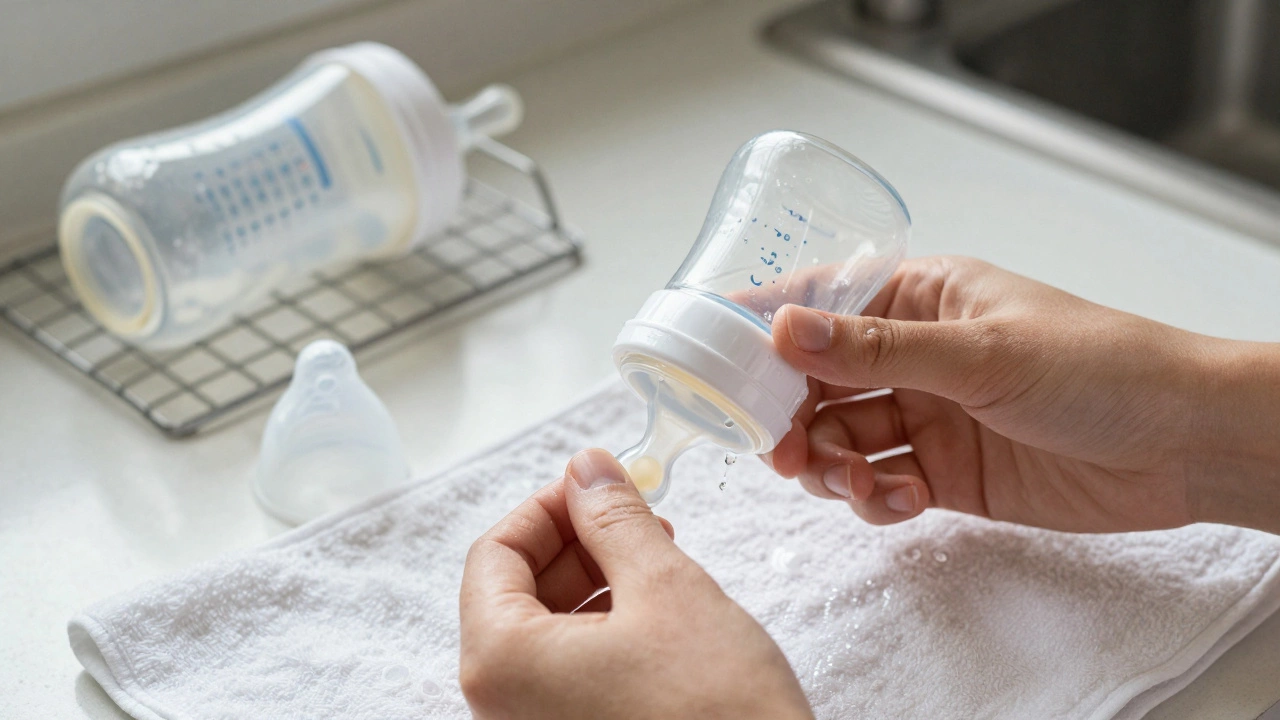
- Shake out water, don’t towel-dry. Towels can shed fibers or carry bacteria. Let air do the work.
- Store assembled bottles with caps on. Once dry, you can cap them. If they’re still damp, leave them uncapped or use a breathable cover.
- Label and rotate. Use masking tape to write the date on bottles you pre-wash. Use the oldest first.
Myth vs. Fact
| Myth | Fact |
|---|---|
| Wet bottles cause infections. | Only if they’re dirty and left damp for days. Clean, wet bottles are safe. |
| You must sterilize after every wash. | Only needed for newborns, preemies, or sick babies. Daily washing is enough for most. |
| UV dryers are necessary for safety. | No. A clean drying rack works just as well. |
| Wiping with a towel is the best way to dry. | Towels can introduce lint or bacteria. Air-drying is safer. |
| Condensation inside a sealed bottle is dangerous. | It’s just water vapor. Shake it out before adding milk. |
What if you’re traveling?
When you’re on the road, you can’t always air-dry bottles. Here’s what to do:- Use disposable bottle liners if you’re worried about cleanliness.
- Carry a small bottle brush and a travel-sized bottle of dish soap.
- Wash with bottled water and let the bottle sit open on a clean surface for 10 minutes before capping.
- Pre-fill bottles with boiled, cooled water and add formula powder just before feeding.
Many parents in Vancouver who travel often swear by pre-filled bottles with powder stored separately. It cuts down on washing, drying, and mess.
Bottom line: It’s about cleanliness, not dryness
Your baby doesn’t need perfectly dry bottles. They need clean ones. Wash them well. Disassemble the parts. Let them air-dry if you have time. But don’t waste hours waiting for every drop to vanish. A little moisture won’t hurt. Dirty bottles will.Focus your energy on the real risks: leftover milk residue, cracked nipples, dirty storage bins, and skipping washes after nighttime feedings. Those are what actually cause problems.
So next time you see a damp bottle on the counter? Don’t panic. Just shake it out, assemble it, and feed your baby. You’ve got this.
Is it safe to store baby bottles with water inside?
No, storing bottles with water or milk inside is not safe-even if they’re capped. Moisture trapped with milk residue creates a perfect environment for bacteria and mold to grow. Always empty, rinse, and dry bottles before storing them. If you’re preparing bottles ahead of time, fill them with just boiled, cooled water and add formula powder right before feeding.
Can I use a hair dryer to speed up drying?
It’s not recommended. Hair dryers can blow dust, lint, or bacteria from the air onto the bottle surfaces. They also generate heat that can warp plastic parts or melt silicone nipples. Air-drying is safer, simpler, and just as effective. If you’re in a hurry, shake out excess water and let the bottles sit uncovered for 10-15 minutes.
Do I need to sterilize bottles every time?
No. Sterilization is only necessary for babies under 3 months, premature infants, or those with compromised immune systems. For healthy older babies, washing with hot, soapy water or using a dishwasher with a sanitizing cycle is enough. Sterilizing daily can be time-consuming and unnecessary.
What’s the best way to dry bottle nipples?
Take the nipple off the bottle and place it upside down on a clean, dry surface. Don’t use paper towels or cloth towels-they can leave fibers behind. Let it air-dry naturally. If you’re concerned about contamination, store the nipple in a sealed container only after it’s fully dry. Replace nipples every 2-3 months or if they show signs of wear.
Can I reuse bottles without washing them between feedings?
No. Even if the bottle looks clean, leftover milk can spoil within an hour, especially at room temperature. Always wash bottles after every feeding. Bacteria multiply quickly in milk residue, even if you don’t see it. Waiting until later increases the risk of contamination.
What to do next
If you’re still unsure, start with this simple routine: wash bottles right after feeding, disassemble all parts, rinse with hot water, let them air-dry upside down on a clean rack, and store them capped only when dry. That’s it. No fancy gadgets. No stress.For extra peace of mind, check your bottle manufacturer’s guidelines. Some brands recommend specific drying methods. But most agree: clean is better than dry.