Do Kindergarteners Need Backpacks? A Practical Guide for Parents
Kindergarten Backpack Fit & Weight Calculator
Child Details
Enter details to see recommendations.
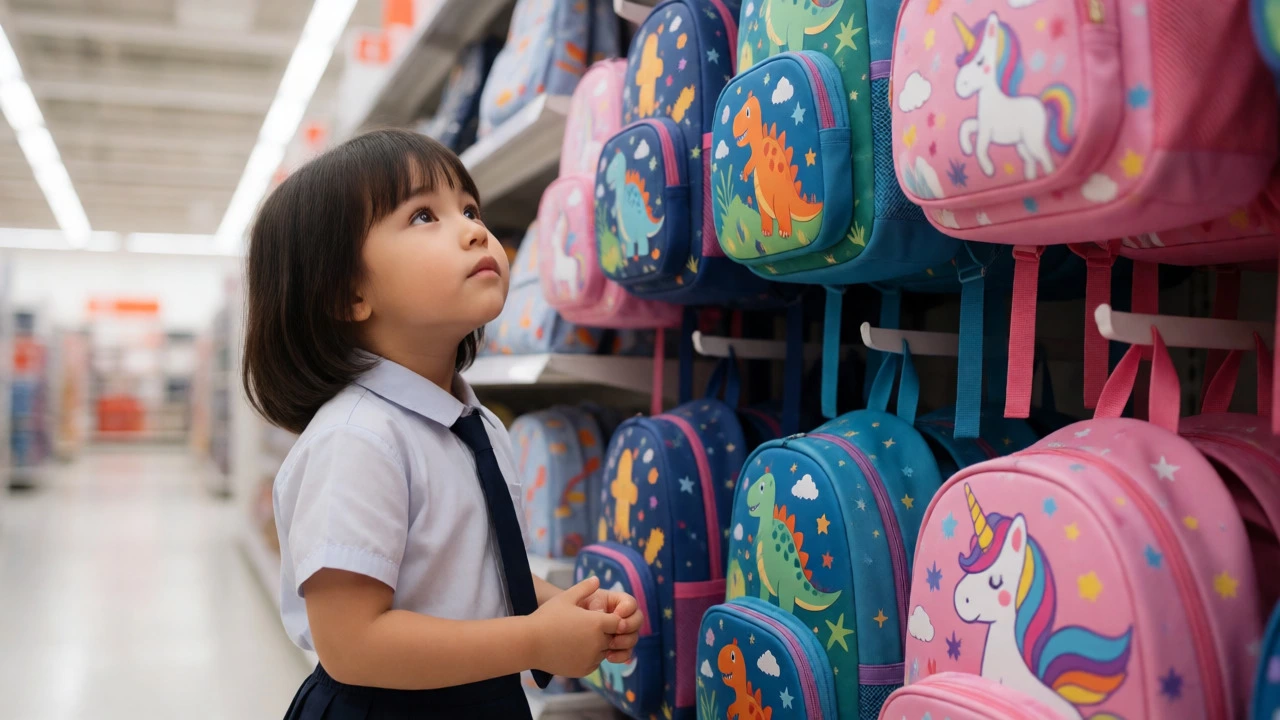
You’re standing in the aisle of a big-box store, staring at rows of brightly colored backpacks featuring everything from dinosaurs to unicorns. Your five-year-old is tugging at your sleeve, pointing at the one with LED lights. But a nagging question hits you: does a kindergartner actually need a backpack? Or are we just buying into a marketing myth designed to empty our wallets?
The short answer is yes, but not always for the reason you think. It’s rarely about carrying textbooks-most kindergarten classrooms rely on communal shelves for books. Instead, it’s about autonomy, routine, and the sheer volume of personal items modern early childhood education requires. If you’ve ever felt guilty leaving a pile of muddy clothes in a plastic grocery bag, or watched your child struggle to find their lunchbox in a chaotic cubby, you already know why this gear matters.
Why Kindergartners Actually Need Backpacks
Let’s strip away the sentimentality and look at the logistics. In most North American public and private kindergarten programs, children spend six to seven hours away from home. During that time, they generate a surprising amount of "stuff." Unlike high schoolers who carry heavy loads of academic materials, kindergartners carry life support.
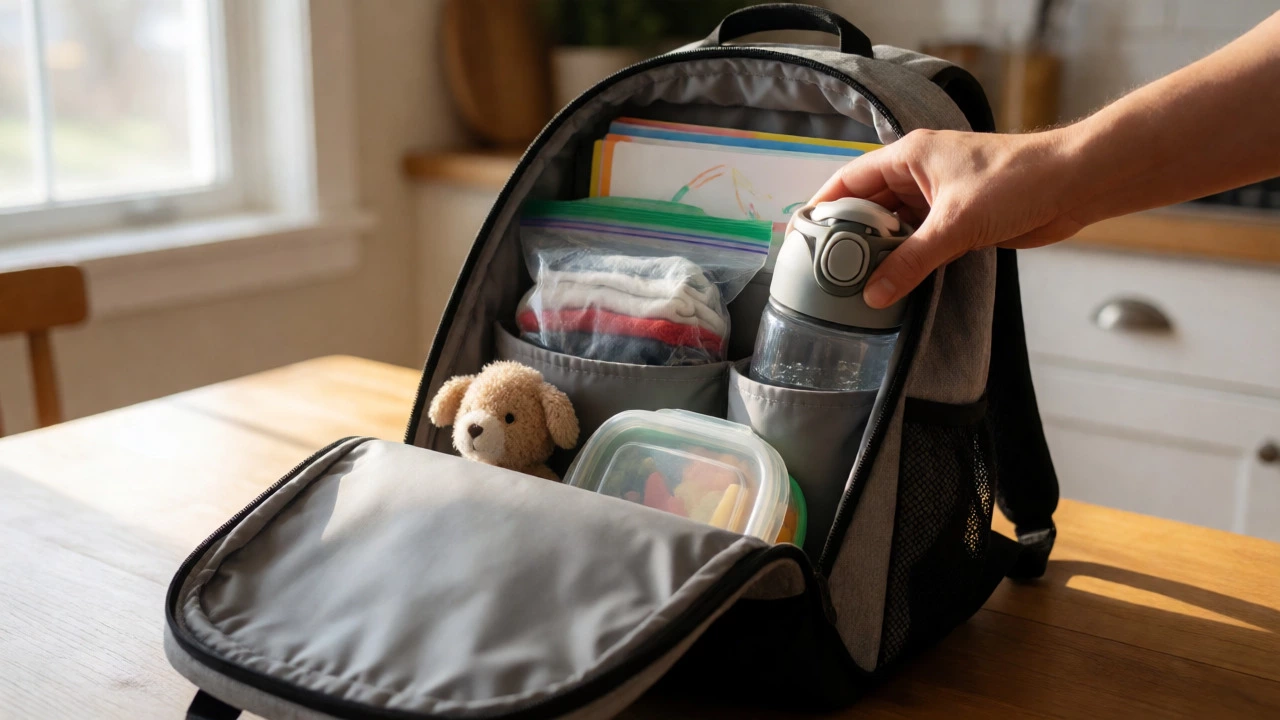
A typical day involves a change of clothes (because accidents happen), a full lunch, snacks, a water bottle, and often a comfort object like a stuffed animal or blanket. Add in artwork sent home daily and permission slips requiring signatures, and suddenly that tiny human has more to haul than you’d expect. A dedicated school bag gives them a defined space for these items, teaching them the foundational skill of organization before they can even read.
Moreover, there’s a psychological component. When a child carries their own bag, they feel a sense of ownership over their school experience. It signals to them that they are a student, part of a community, and responsible for their belongings. This isn’t just cute; it’s developmental. According to early childhood development standards, fostering independence in managing personal items is a key milestone for ages 5-6.
What Goes Inside a Kindergarten Backpack?
If you decide to buy a backpack, you need to know what fits inside. Overpacking is the enemy of small backs. The goal is to keep the total weight under 10-15% of your child’s body weight. For an average 40-pound kindergartner, that means keeping the loaded bag under four to six pounds.
Here is a realistic checklist of essential items:
- Lunch and Snacks: Most schools require a packed lunch unless they offer hot meals. This includes containers, utensils, and napkins.
- Water Bottle: Hydration is critical, especially if the playground is active. Look for leak-proof designs.
- Change of Clothes: One complete set (shirt, pants, underwear) in a ziplock bag. Accidents, paint spills, and rain puddles are inevitable.
- Comfort Item: A small plush toy or security blanket for nap time or stressful moments.
- Artwork Folder: Many teachers send home daily drawings. A thin folder keeps them from getting crumpled.
- Spare Socks: Often overlooked, but wet socks make for a miserable afternoon.
Notice what’s missing? Books. Unless your specific program mandates taking reading logs or library books home nightly, you don’t need a bag large enough for novels. Keep it lean.
Size Matters: Finding the Right Fit
This is where most parents go wrong. They buy a backpack that looks good on the shelf but swallows their child whole when worn. A kindergarten-sized backpack should have a capacity between 8 and 12 liters. Anything larger encourages stuffing it with unnecessary toys, leading to strain.
How do you measure fit? Place the backpack on your child’s back. The bottom should sit above their buttocks, ideally no lower than two inches below the waistline. The top shouldn’t extend past the shoulders. If the bag hangs low, it pulls backward, forcing the child to lean forward to compensate. This poor posture leads to fatigue and complaints of back pain by mid-morning.
Look for adjustable straps. Kids grow fast, and a strap that fits today might be too tight in three months. Padded shoulder straps are non-negotiable; thin nylon straps dig into small shoulders, causing discomfort that makes kids refuse to wear the bag.
| Child’s Age/Height | Recommended Capacity | Ideal Weight Limit | Strap Features Needed |
|---|---|---|---|
| 3-4 Years (35-40") | 6-9 Liters | Under 3 lbs (empty) | Simple loops, easy pull tabs |
| 5-6 Years (42-48") | 10-12 Liters | Under 4 lbs (empty) | Padded straps, chest clip optional |
| 7+ Years (48"+) | 14-18 Liters | Under 5 lbs (empty) | Padded back panel, sternum strap |
Ergonomics vs. Style: What to Prioritize
Your child will want the backpack with the character face. You want durability and health. How do you compromise? Start with function. If the bag hurts to wear, the cool design won’t matter after week two.
Key ergonomic features to look for include:
- Chest Strap: While not always necessary for very light loads, a sternum strap helps stabilize the bag so it doesn’t swing side-to-side while running.
- Padded Back Panel: This protects the child’s spine from poking items like lunch containers or folders.
- Wide Straps: Wider straps distribute weight better across the shoulders. Thin straps concentrate pressure on a small area.
- Lightweight Material: Canvas is durable but heavy. Nylon or polyester blends are lighter and easier for small arms to lift.
Don’t ignore the zippers. Small hands struggle with tiny zipper pulls. Look for bags with large, rubberized zipper tabs or hook-and-loop closures (Velcro) on main compartments. If your child can’t open their bag independently, they can’t access their lunch or water, which defeats the purpose of self-sufficiency.
When a Backpack Isn’t Necessary
Context is king. Not every kindergarten program requires a backpack. Some Montessori or Reggio Emilia-inspired schools encourage minimalism, providing all materials in the classroom. In these cases, a child might only need a small pouch for a snack and a water bottle.
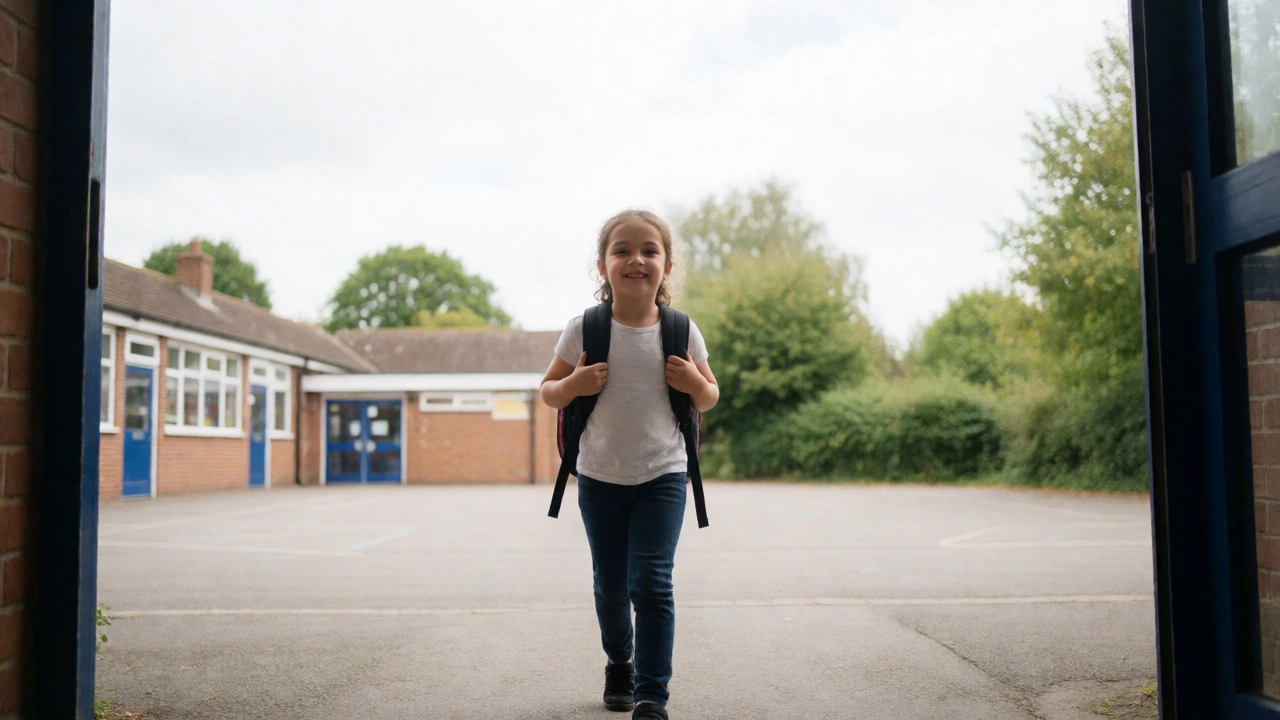
Also, consider transportation. If your child walks to school, a backpack is essential for hands-free movement. If they arrive by car or bus, and the drop-off point is right next to the classroom door, a simple tote bag or even a labeled basket might suffice. However, as they transition to first grade, the expectation shifts toward backpack use to prepare for heavier academic loads later.
Another factor is weather. In rainy climates like Vancouver, a waterproof backpack cover or a bag made from water-resistant material is crucial. A soggy lunch box is a disaster waiting to happen. Some parents opt for a smaller backpack stored at school, using a larger weather-proof duffel for transit. This reduces the daily burden on the child’s back while keeping items dry.
Teaching Responsibility Through Gear
Buying the bag is step one. Using it correctly is step two. This is your chance to teach organizational skills. Start by labeling every single item with your child’s name. Use iron-on labels or permanent markers, as tags fall off in laundry cycles.
Create a routine together. Every Sunday night, pack the bag. Check the weather. Pack the water bottle. Put the lunch container in. Let your child help choose the outfit for the next day. This ritual reduces morning stress and builds anticipation for the school week.
During the week, encourage them to check their own bag. Did they bring home the artwork? Is the lunch container empty? If they forget something, let them experience the natural consequence. If they leave their jacket at school, they’ll remember it next time because they were responsible for packing it. Avoid becoming the "helicopter parent" who runs back to the house with forgotten items. The backpack is their domain.
Top Picks and Alternatives
While brand names fluctuate, certain types of bags consistently perform well for this age group. Traditional drawstring bags are cheap and lightweight but lack structure, making contents crush easily. Rolling backpacks are popular but can be heavy and awkward for small children to maneuver on stairs.
For most families, a classic two-compartment backpack with padded straps remains the gold standard. Brands like JanSport, Pottery Barn Kids, and Lands’ End offer models specifically sized for 4-6 year olds. These often come with lifetime warranties, which is valuable given the rough treatment these bags endure.
If budget is a concern, second-hand options from thrift stores are excellent. Children’s backpacks rarely wear out structurally within one school year. Just ensure the zippers work smoothly and the straps aren’t frayed. Clean them thoroughly before use.
Frequently Asked Questions
How heavy should a kindergarten backpack be?
A general rule of thumb is that a loaded backpack should not exceed 10-15% of your child’s body weight. For a typical 40-pound kindergartner, this means keeping the total weight under 4 to 6 pounds. Focus on lightweight items like soft-sided lunch bags rather than hard plastic boxes to save weight.
What size backpack is best for a 5-year-old?
Look for a backpack with a capacity between 10 and 12 liters. Physically, the bag should not hang more than two inches below your child’s waistline and should not extend above their shoulders. Adjustable straps are essential to accommodate growth spurts throughout the school year.
Do kindergarteners need a backpack for naps?
If your school requires a nap mat or bedding, a standard backpack may not be large enough. In this case, many parents use a separate, larger tote bag for bedding and keep a smaller backpack for daily essentials like lunch and clothes. Alternatively, some schools provide mats, eliminating the need for bulky bedding transport.
Should I buy a rolling backpack for kindergarten?
Generally, no. Rolling backpacks are heavier due to the wheels and frame, and they are difficult for young children to manage on carpeted hallways or stairs. They also tend to get stuck on thresholds. A traditional backpack promotes better posture and is easier for small hands to navigate through crowded school environments.
What features make a backpack easy for a child to use?
Prioritize large zipper pulls that are easy for small fingers to grip. Wide, padded shoulder straps prevent digging into the skin. A simple design with one or two main compartments prevents confusion. Avoid complex pockets or buckles that require fine motor skills beyond a 5-year-old’s capability.