Do You Really Need a Bottle Warmer? Pros, Cons, and Alternatives
Bottle Warmer Decision Helper
Answer a few questions to find out if a bottle warmer is a luxury or a necessity for your lifestyle.
Loading...
Your Recommendation
Quick Summary: The Bottom Line
- Is it necessary? No. You can use bowls of warm water or room-temperature milk.
- Who is it for? Parents with very picky babies, those who prefer formula over breast milk, or anyone who hates the manual 'bowl method.'
- Biggest risk: Overheating milk, which can destroy nutrients in breast milk or cause burns.
- Best alternative: A bowl of hot tap water (the 'water bath' method).
The 'Picky Baby' Factor
Some babies are basically tiny food critics. If you've ever had a newborn reject a bottle because it was two degrees too cool, you know the struggle. For these infants, consistency is everything. A bottle warmer removes the guesswork. Instead of hovering over a bottle and shaking it every ten seconds to check the temperature on your wrist, the machine does the timing for you.
If your baby is happy with room-temperature milk, you can skip this gadget entirely. Many babies don't actually care about the heat; the idea that milk "must" be warm is more of a tradition than a biological requirement. However, if you're using infant formula, which is a powder mixed with water, the warm temperature helps the powder dissolve more easily and mimics the warmth of natural breastfeeding.
Comparing Heating Methods
Not all warming methods are created equal. Some are fast but risky, while others are slow and steady. To decide if you need a dedicated machine, you have to look at how they stack up against the old-school ways.
| Method | Speed | Safety/Nutrients | Convenience |
|---|---|---|---|
| Bottle Warmer | Fast (3-7 mins) | Medium (Risk of hotspots) | High |
| Warm Water Bowl | Slow (5-10 mins) | High (Gentle heat) | Low |
| Running Warm Water | Fastest | High | Medium |
| Microwave | Instant | Low (Dangerous hotspots) | High |
The Danger Zone: Why Microwaves are a No-Go
If you're looking for a shortcut, the microwave is tempting. Don't do it. The primary issue with microwave ovens is uneven heating. They create "hot spots" in the milk-tiny pockets of liquid that are scorching hot while the rest of the bottle is lukewarm. Since milk is opaque, you can't see these bubbles. If a baby swallows a hot spot, it can cause severe burns to the mouth and throat.
Beyond the burn risk, microwaving breast milk is a bad move for nutrition. High heat destroys the antibodies and proteins that make breast milk so beneficial. A dedicated warmer or a water bath keeps the temperature low enough to preserve those critical nutrients.
How Different Feeding Styles Change the Need
Your need for a warmer depends heavily on whether you are exclusively breastfeeding, formula feeding, or doing a mix of both. Let's break it down by scenario.
The Exclusive Pumper: If you're spending your day pumping and storing milk in the fridge, you're dealing with cold liquids. A warmer is convenient here, but you must ensure it doesn't boil the milk. Many pumpers prefer the slow-thaw method in the fridge overnight, followed by a quick warm-up in a bowl of water.
The Formula Parent: Formula can be prepared in batches and kept in the fridge for 24 hours. Warming a pre-made bottle of formula is much faster than mixing a new one from scratch. In this case, a bottle warmer saves you from standing at the sink for ten minutes every time the baby wakes up.
The On-the-Go Parent: If you're frequently out and about, a plug-in warmer at home isn't helpful. You might instead look into portable warmers or insulated bags that keep milk at a steady temperature for several hours. For those who travel, a thermos of hot water is often the most reliable tool for warming a bottle in a car or a stroller.
The DIY Alternatives: The "Bowl Method"
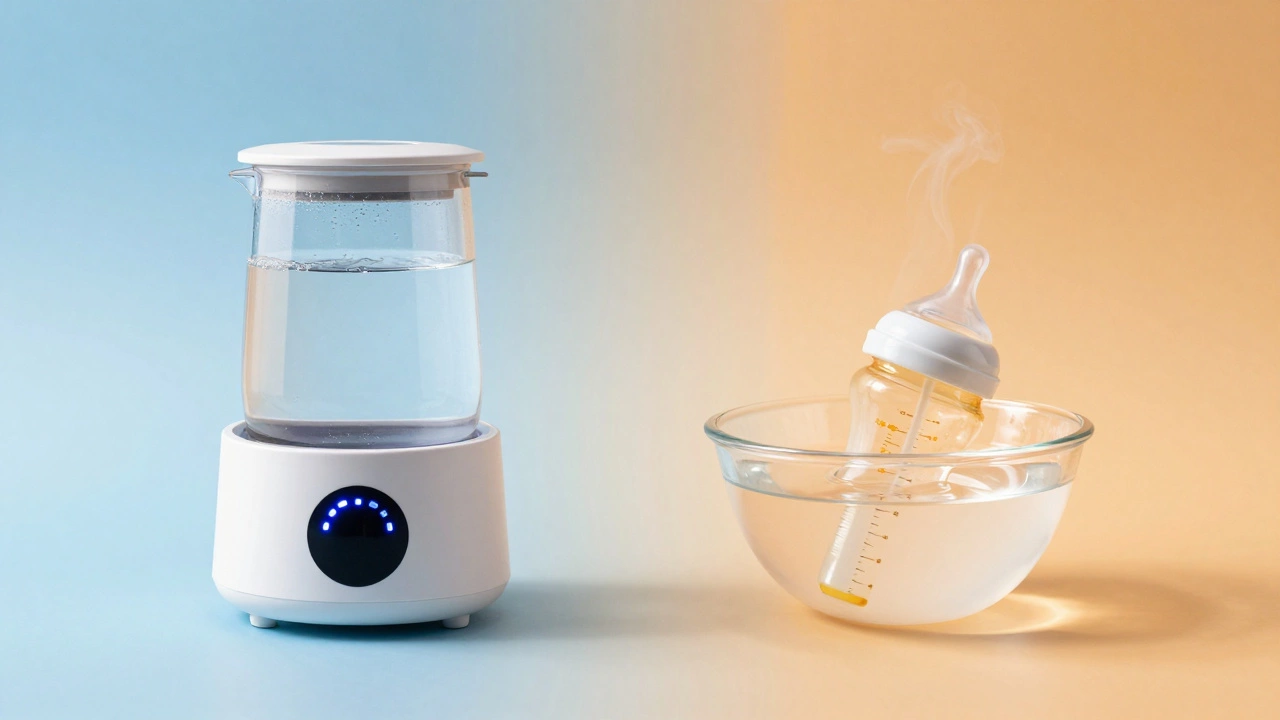
If you want to save your counter space and your money, the bowl method is the gold standard for safety. Here is how it works: fill a small bowl or container with hot water from the tap. Place the bottle in the water and let it sit for a few minutes. Every so often, give the bottle a gentle swirl to distribute the heat.
This method is essentially what a steam-based bottle warmer does, just without the electricity. It's safer because it's nearly impossible to overheat the milk to a dangerous level. The only real downside is that it takes a few minutes longer, and you have to deal with a bowl of water on your counter. For most parents, that's a small price to pay for peace of mind.
Common Mistakes to Avoid
Whether you buy a machine or use a bowl, there are a few rules you should never break. First, never boil your milk. Boiling doesn't just kill the "bad" bacteria; it kills the beneficial ones and destroys the immunological properties of breast milk. Second, avoid "keeping" milk warm for hours. While some warmers have a keep-warm setting, milk that sits at a warm temperature for too long becomes a breeding ground for bacteria.
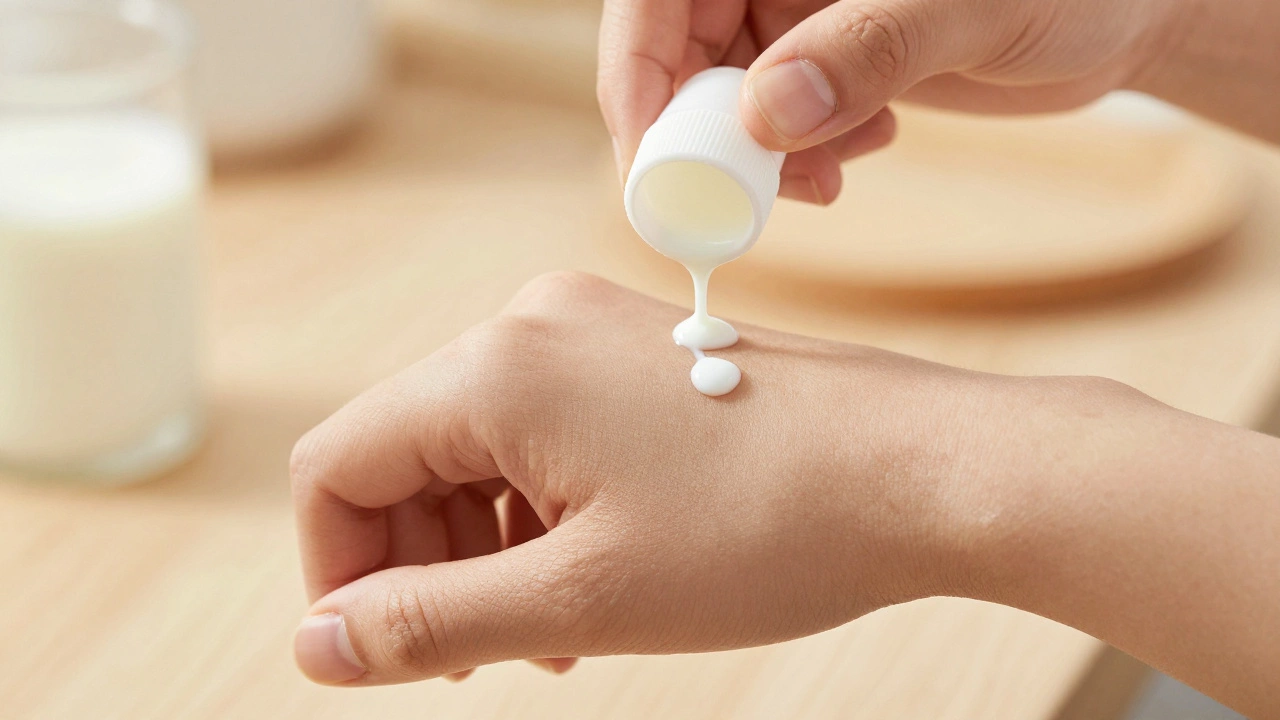
Always test the temperature on the inside of your wrist. The milk should feel lukewarm-not hot, not cold. If you can feel a distinct heat, it's too hot for a baby's sensitive mouth. If you're using a digital warmer, don't trust the beep blindly; always do the wrist test.
Can I just give my baby room temperature milk?
Yes. Many babies are perfectly happy with room temperature milk. If your baby doesn't seem to mind, there is no medical reason to warm the bottle. It's purely a matter of preference for the baby.
Does warming milk help with colic or gas?
There is no scientific evidence that warm milk reduces colic or gas. Gas is typically caused by air swallowed during feeding (latching issues) or the digestive process, not the temperature of the liquid.
How long can breast milk stay in a bottle warmer?
Once milk is warmed, it should be used immediately. You should not leave milk in a "keep warm" setting for more than an hour, as this can encourage bacterial growth and degrade the quality of the milk.
Are steam warmers better than water-bath warmers?
Steam warmers are generally faster because steam transfers heat more efficiently. However, water-bath warmers are often considered gentler and less likely to create extreme hotspots if the timer is set correctly.
Can I use a bottle warmer for baby food jars?
Many modern bottle warmers are designed to hold small jars of baby food as well. This is a great way to take the chill off store-bought purees without risking the uneven heating of a microwave.
Next Steps for New Parents
If you're still on the fence, here is a simple game plan. Start with the free method: try room temperature milk first. If the baby rejects it, move to the bowl of warm water. If you find yourself doing this ten times a day and the 3 AM wake-up calls are making you miserable, that's when you invest in a warmer. You can always buy a gadget later, but you can't "un-buy" one that ends up gathering dust in the back of your cabinet.