How to Add Warmth to Your Nursery: A Cozy Design Guide
Nursery Warmth Calculator
Design a space that feels like a hug. Adjust the settings below to see how different choices impact the perceived warmth and comfort of your nursery.
Adjust Your Nursery Settings
Your Nursery Warmth Score
Awaiting Calculation
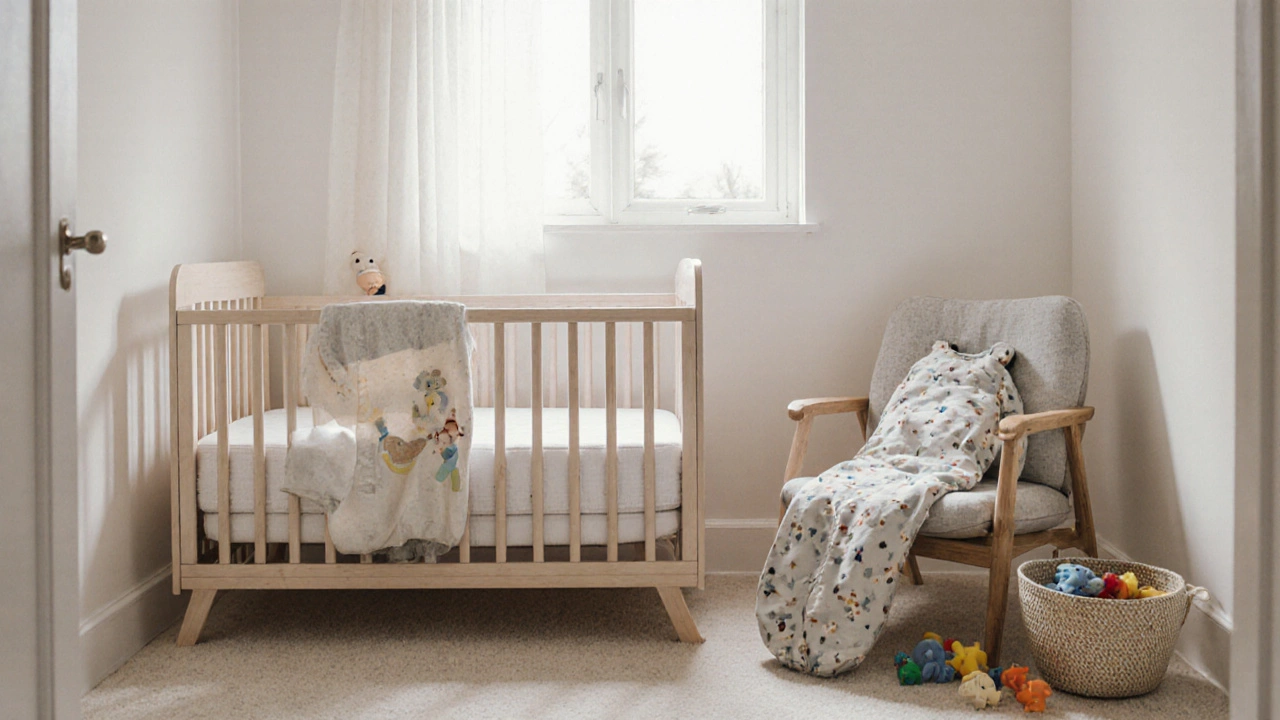
You walk into the room you just painted a crisp, clean white. The crib is assembled. The changing table stands ready. It looks... sterile. Like a hotel lobby that hasn’t decided if it’s for business or pleasure yet. You want it to feel like a hug. You want that space to radiate safety and softness the moment your baby enters the world. But how do you get there without turning the room into a cluttered mess of stuffed animals?
Adding warmth isn’t about buying more stuff. It’s about layering sensory experiences that signal comfort to both you and your child. Think of it as building an emotional foundation before the physical one settles in. Most parents start with big furniture pieces, but those are often cold by nature-hard wood, metal bars, plastic bins. The magic happens in the details that touch the skin and catch the eye.
The Foundation: Why Texture Matters More Than Color
Before you grab a paint swatch, look at what’s already in the room. Nursery Decor is often mistaken for just visual styling, but it is actually the strategic arrangement of tactile and visual elements to create a soothing environment for infants and caregivers. If everything is smooth and hard, the room feels clinical. To fix this, you need texture. Texture breaks up the light and creates shadows that make a space feel smaller and cozier.
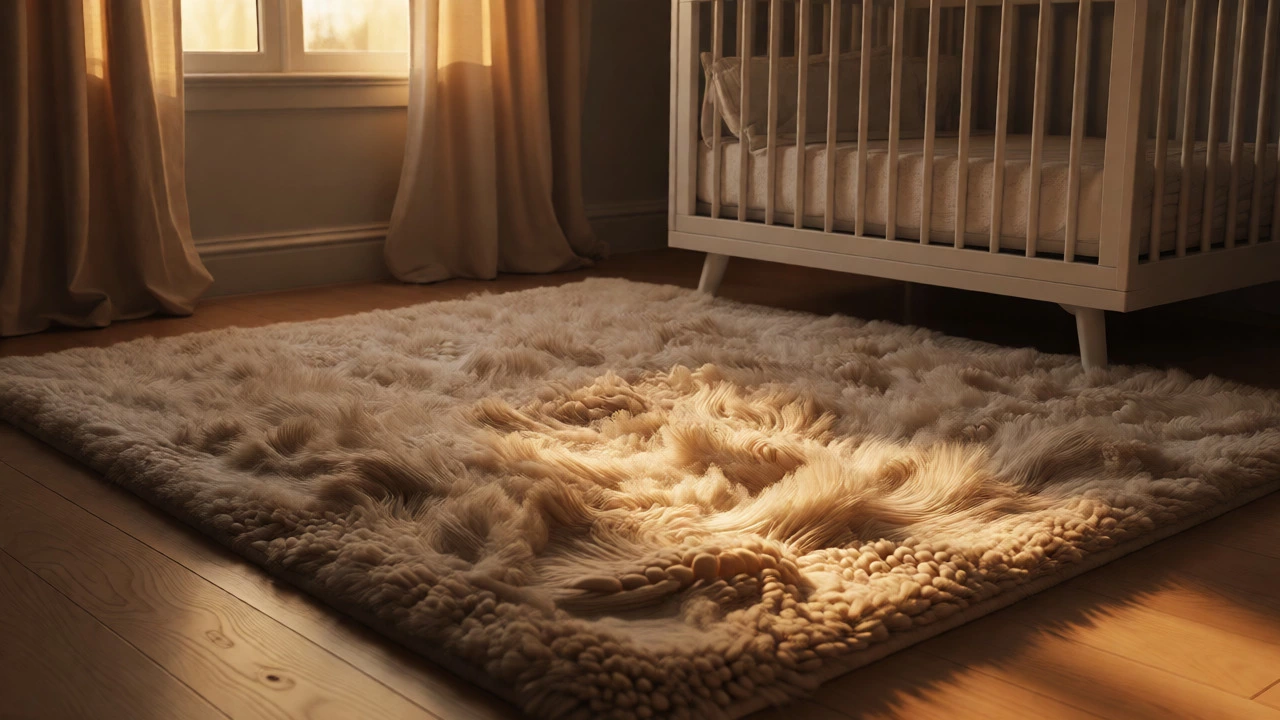
Start with the floor. Hardwood or tile floors echo sound and feel cold under bare feet. You don’t need wall-to-wall carpet, which can trap allergens. Instead, choose a large, plush area rug. Look for materials like wool or high-pile cotton blends. These fibers absorb sound, reducing the harsh echo when you’re rocking a crying baby at 3 AM. They also provide a safe, cushioned spot for tummy time later on. A rug with a subtle pattern adds visual interest without overwhelming a developing infant’s vision.
Next, tackle the bedding. Standard crib sheets are functional, but they aren’t warm. Layer them. Use a fitted sheet, then add a breathable muslin blanket. Muslin is fantastic because it gets softer with every wash and allows air circulation, reducing overheating risks. For the changing pad, skip the vinyl covers. Choose organic cotton or bamboo covers. They feel warmer against delicate skin and wick away moisture better than synthetic alternatives.
Lighting That Mimics Sunset
Overhead lighting is the enemy of warmth. That bright, central ceiling fixture screams "hospital" or "office." It casts flat, unflattering light that makes shadows disappear, flattening the room’s depth. To add warmth, you need to lower the light source and soften its intensity.
Install dimmer switches on existing overhead lights. This single change gives you control over the room’s mood. During the day, keep it bright for diaper changes and cleaning. At night, dim it to 10% for midnight feedings. This low light signals to your brain-and your baby’s-that it’s time to rest, not play.
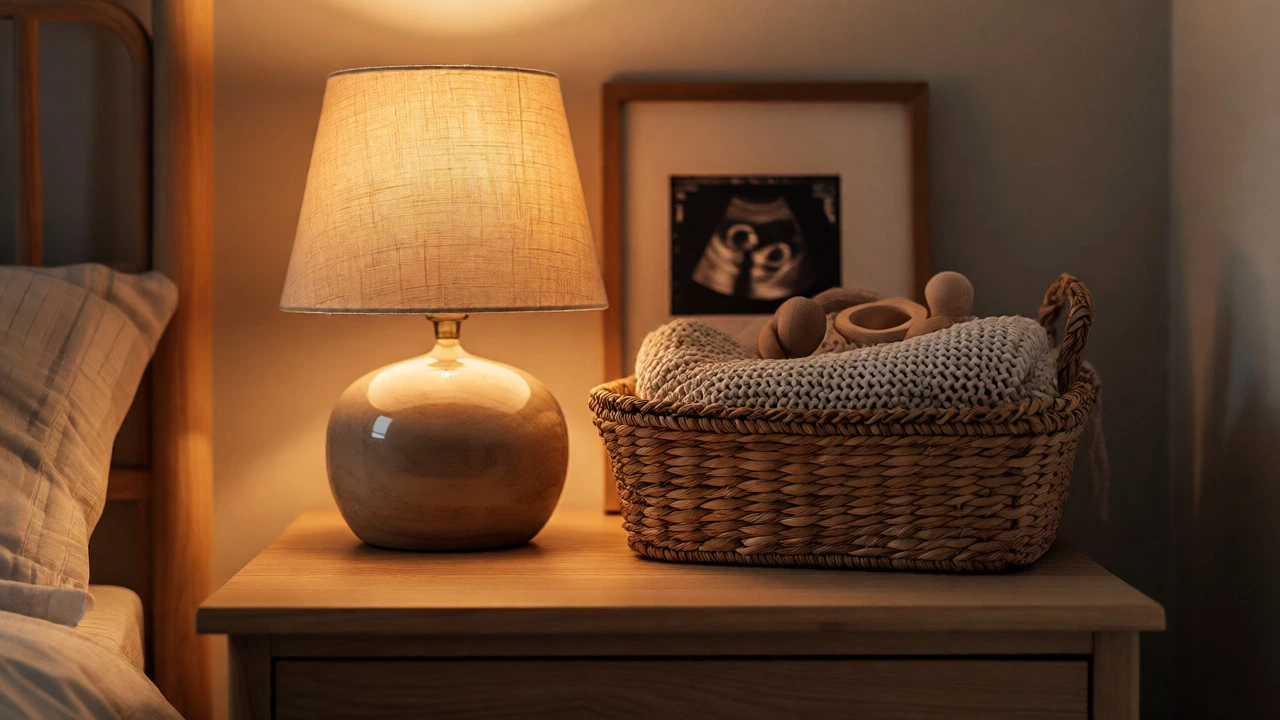
Add secondary light sources at eye level or below. Table lamps on nightstands or wall sconces near the rocking chair create pools of light rather than flooding the room. Choose bulbs with a color temperature between 2700K and 3000K. Anything above 4000K looks blue and clinical; anything below 2700K might be too yellow for reading labels. A 2700K bulb mimics the golden hour, naturally triggering melatonin production in adults and calming infants.
| Color Temperature (Kelvin) | Visual Effect | Best Use Case |
|---|---|---|
| 2700K - 3000K | Warm, Golden, Soft | Night feeds, bedtime routines, relaxation |
| 3500K - 4000K | Neutral, White, Clean | Diaper changes, cleaning, daytime play |
| 5000K+ | Cool, Blue-White, Harsh | Avoid in nurseries (disrupts sleep cycles) |
Consider smart plugs for older lamps. You can set schedules so the lamp turns off automatically after you’ve put the baby down, preventing you from fumbling for switches in the dark.
Softening the Acoustics
Warmth isn’t just seen or touched; it’s heard. A bare nursery has terrible acoustics. Every squeak of the crib wheels or rustle of a diaper wrapper echoes sharply. This auditory harshness increases stress levels for both parent and child. Sound dampening is a hidden layer of warmth.
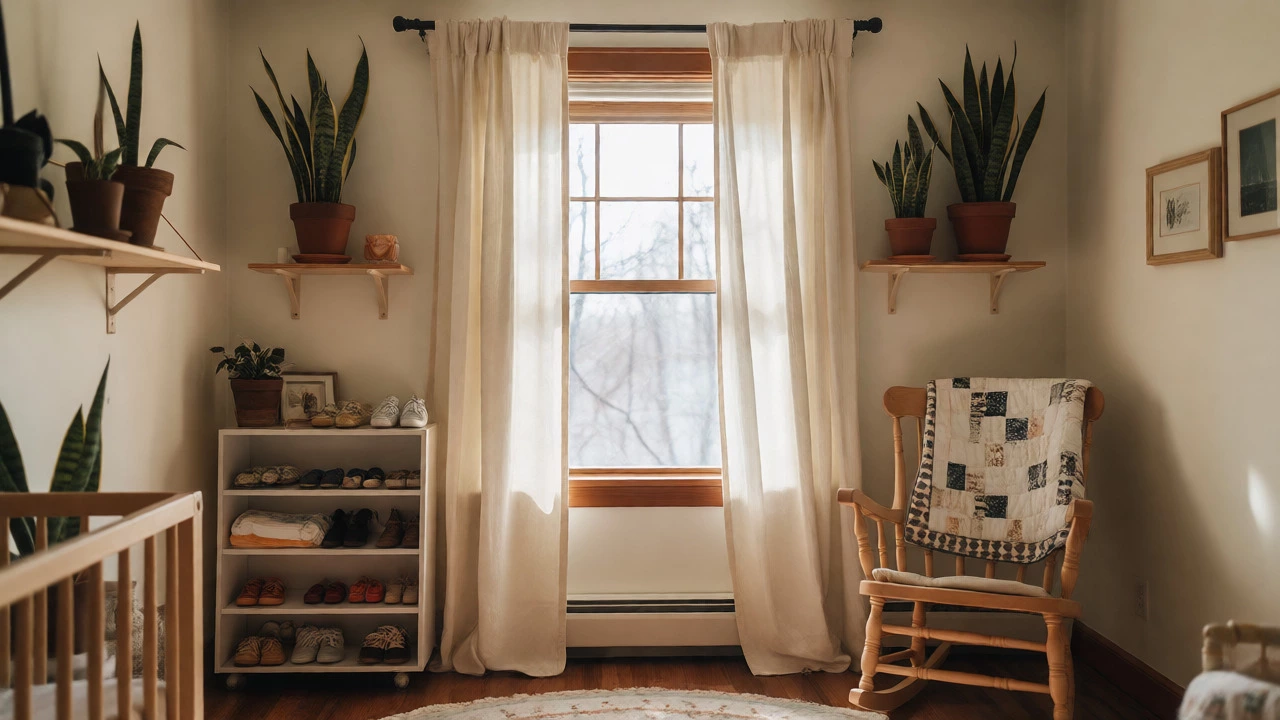
Hang heavy curtains. Not just any drapes, but thick, floor-length panels. Velvet, heavy linen, or thermal-lined fabrics work best. They block out street noise and early morning sun, creating a cocoon effect. When the window is covered, the room feels enclosed and protected, much like a cave. This psychological cue helps babies settle faster.
Wall art does double duty here. Framed prints with glass reflect sound, but canvas wraps or fabric wall hangings absorb it. Try hanging a large tapestry behind the crib or a gallery wall with mixed media frames. The irregular surfaces break up sound waves, lowering the overall volume of the room. It’s a subtle shift, but you’ll notice the difference when you whisper a lullaby.
Personal Touches That Tell a Story
Generic decor feels impersonal. Warmth comes from connection. Incorporate items that have history or meaning. Maybe it’s a quilt handed down from a grandparent. Perhaps it’s a framed ultrasound photo or a letter written to your unborn child. These objects anchor the room in reality and love, not just retail catalogs.
Create a memory corner. Dedicate one shelf or wall section to rotating keepsakes. Start small-a tiny pair of shoes, a favorite book, a hospital bracelet. As the child grows, this collection expands. It becomes a visual timeline of their first year. Seeing these items reminds you why you designed the room this way. It transforms the space from a storage unit for gear into a sanctuary of memories.
Don’t underestimate the power of plants. Real greenery adds life and humidity to dry indoor air. Snake plants and pothos are excellent choices because they are non-toxic and nearly impossible to kill. Place them on high shelves out of reach of curious hands. The vibrant green contrasts beautifully with neutral walls, adding a natural warmth that artificial colors can’t replicate.
The Scent Factor
Scent triggers emotion faster than sight or sound. However, nurseries require caution. Avoid strong perfumes or synthetic air fresheners that can irritate sensitive respiratory systems. Stick to natural, subtle scents.
Use cedar blocks in drawers instead of mothballs. Cedar smells earthy and pleasant while repelling insects naturally. Keep a sachet of dried lavender in the closet-not directly near the crib, but nearby enough to catch a whiff when you open the door. Lavender is widely recognized for its calming properties. Just ensure the scent is faint. You want a hint of fragrance, not a cloud of perfume.
Fresh laundry smells contribute significantly to perceived cleanliness and comfort. Wash linens with fragrance-free detergent to avoid chemical buildup, then toss a dryer ball infused with essential oil into the cycle. The result is a clean, fresh scent that feels inviting rather than chemically aggressive.
Balancing Minimalism and Comfort
There’s a fear that adding warmth means adding clutter. It doesn’t. Warmth is about intentionality, not accumulation. Each item you add should serve a purpose: to soothe, to soften, or to connect.
Follow the "Rule of Three" for groupings. If you place three textured items together-a woven basket, a knitted throw, and a wooden toy-they create a cohesive vignette. Randomly scattered items look messy; grouped items look curated. This approach keeps the room feeling spacious yet rich in detail.
Regularly edit your decor. Babies grow fast. What works for a newborn might overwhelm a toddler. Remove items that no longer fit the stage. Rotate seasonal accents, like swapping a heavy wool throw for a lighter cotton one in summer. This keeps the room feeling fresh and responsive to the changing needs of your child.
Remember, the goal isn’t perfection. It’s presence. A warm nursery is one where you feel calm entering it, and your baby feels secure sleeping in it. Start with one change-maybe the rug or the lighting bulb. See how it shifts the energy. Then build from there. You’re not just decorating a room; you’re crafting the backdrop for countless quiet moments and sleepy sighs.
What color temperature is best for nursery lighting?
The ideal color temperature for nursery lighting is between 2700K and 3000K. This range produces a warm, yellowish-white light similar to sunset or candlelight. It promotes relaxation and helps regulate circadian rhythms for both babies and parents. Avoid cool white lights (above 4000K) as they can suppress melatonin production and make the room feel clinical.
Are rugs safe for cribs and crawling babies?
Yes, rugs are generally safe and beneficial if chosen correctly. Opt for low-pile or medium-pile rugs made from natural fibers like wool or cotton to minimize dust mite accumulation. Ensure the rug has a non-slip backing to prevent tripping hazards for walking toddlers. Regular vacuuming is essential to maintain hygiene, especially during the crawling phase.
How can I reduce noise in a nursery without major renovations?
You can significantly reduce noise by adding soft furnishings. Heavy curtains, upholstered chairs, and area rugs absorb sound waves effectively. Wall art with canvas or fabric surfaces also helps dampen echoes compared to glass-framed pictures. These simple additions create a quieter, more serene environment without needing acoustic panels or construction.
What are some safe ways to introduce scent to a nursery?
Stick to natural, mild scents. Cedar blocks in drawers, dried lavender sachets in closets, or freshly washed linens are safe options. Avoid plug-in air fresheners, candles with strong fragrances, or essential oil diffusers running continuously near the crib, as concentrated vapors can irritate infant lungs. Always prioritize ventilation and use scents sparingly.
Does wall color really affect the warmth of a nursery?
Yes, wall color plays a crucial role. Warm tones like creams, taupes, soft terracottas, and muted yellows reflect light differently than cool whites or grays. Warm colors tend to make spaces feel smaller and more intimate, enhancing the sense of coziness. However, balance is key; pairing warm walls with neutral textiles prevents the room from feeling too saturated or stimulating.