How to Get Free Children's Books Mailed to You
Want to fill your child’s bookshelf without spending a dime? You’re not alone. Many parents in Canada and the U.S. are discovering that free children’s books can be mailed right to their door-no strings attached. It’s not a scam. It’s not a trick. It’s real, and it’s happening right now.
Start with Dolly Parton’s Imagination Library
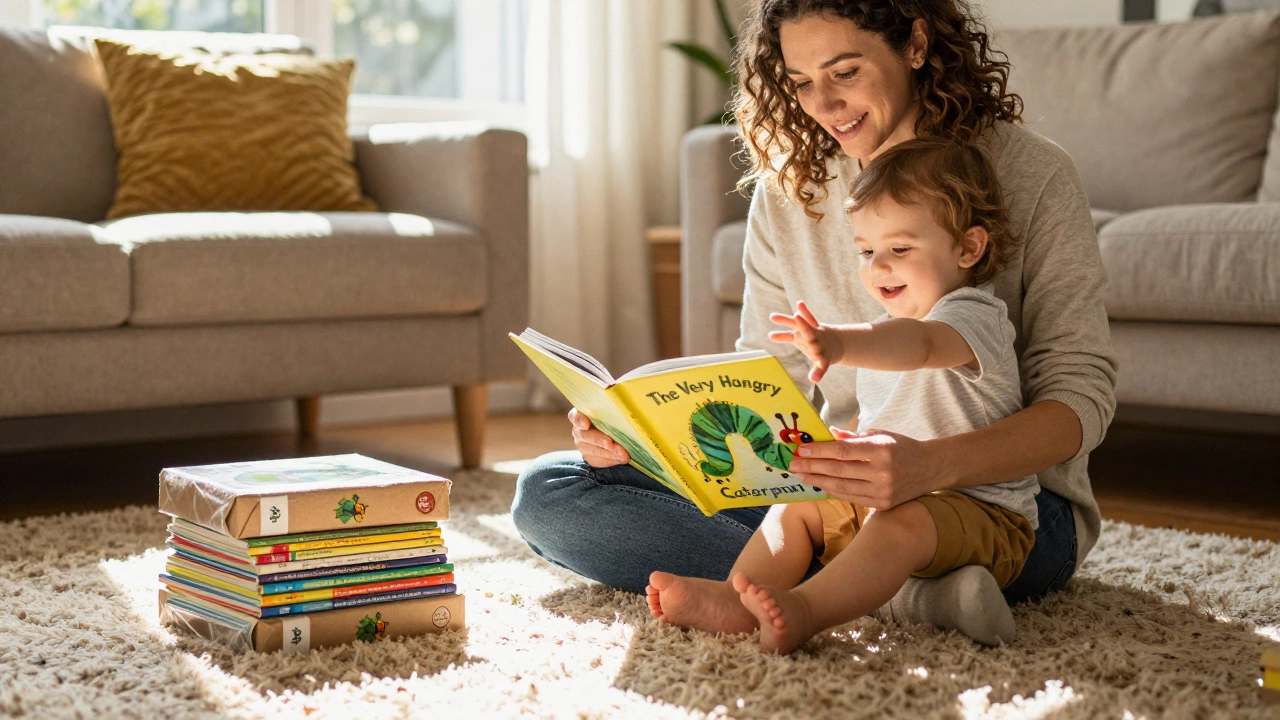
The most reliable way to get free books mailed to your child is through Dolly Parton’s Imagination Library. This program sends a free, high-quality book every month to kids from birth until they turn five. The books are carefully chosen by literacy experts and include classics like The Very Hungry Caterpillar and Goodnight Moon.
Eligibility is simple: you must live in a participating community. In Canada, the program is active in parts of British Columbia, Ontario, Quebec, and Nova Scotia. Check if your postal code qualifies by visiting the official Imagination Library website. If your area isn’t listed yet, you can still ask your local library or community center to help bring the program to you. Many towns have launched it through local fundraising or partnerships with Rotary Clubs.
Once enrolled, books arrive automatically. No need to reorder. No hidden fees. Just your child’s name, date of birth, and your mailing address. The books are shipped in durable packaging, so they survive toddler hands and rainy porch deliveries.
Check Your Local Library’s Book Delivery Programs
Public libraries across Canada and the U.S. often run free book programs for families. Some offer monthly book bundles mailed to homes, especially for families with limited access to the library. In Vancouver, the Vancouver Public Library partners with community organizations to mail picture books to families with children under age six who sign up for their Books from the Library initiative.
Don’t assume your library doesn’t do this. Call or visit their website and ask: “Do you mail free children’s books to homes?” Some libraries send books to families in low-income neighborhoods, rural areas, or those with mobility challenges. Others offer them to all residents-no questions asked.
Even if your library doesn’t mail books, they might offer free book bundles you can pick up. Many have “Take a Book, Leave a Book” bins outside their doors. These are stocked with gently used children’s books, donated by families like yours.
Join National Literacy Campaigns
Organizations like Reading Is Fundamental (RIF) and First Book give away millions of books each year. While RIF primarily works through schools and nonprofits, First Book has a direct mailing program for families who qualify based on income or participation in federal assistance programs like SNAP or WIC.
Here’s how it works: Visit firstbook.org, click on “Families,” and fill out a short form. If you’re eligible, you’ll get access to a digital catalog where you can choose books to be mailed. You can pick up to 12 books per year-new, high-quality titles, not donations or leftovers. Titles range from bilingual books to STEM-focused picture books.
Another option: Bookstart (originally from the UK, now available in some U.S. states and Canadian provinces). It gives free book packs to babies and toddlers through pediatric clinics or public health offices. Ask your child’s doctor or local public health nurse if they hand out Bookstart kits.
Look for Book Gifting Programs Through Nonprofits
Many small nonprofits focus on putting books into children’s hands. In Canada, First Nations Child & Family Caring Society runs a book mail program for Indigenous families. In the U.S., Books for Kids and Barbara Bush Foundation’s Family Literacy Initiative offer free books by mail to qualifying households.
These programs often require proof of income or enrollment in a government assistance program. But don’t let that stop you-many are flexible. If you’re struggling to afford books, just reach out. Most organizations want to help. They’re not asking for much: just your child’s name, age, and mailing address.
Sign Up for Publisher and Author Giveaways
Children’s book publishers and authors love to give away free books. Why? To build readers early. Every year, major publishers like Penguin Random House, Scholastic, and HarperCollins run free book promotions.
Here’s how to find them:
- Follow publishers on social media-especially Facebook and Instagram. They often post “free book giveaway” links.
- Sign up for newsletters from authors like Mo Willems or Julia Donaldson. They sometimes send free books to subscribers.
- Search for “free children’s book giveaway 2025” in January and July. These are peak months for promotions.
One recent example: In March 2025, Scholastic mailed over 500,000 free copies of The Day the Crayons Quit to families who signed up within 48 hours. These deals are time-sensitive, so set a reminder to check every month.
Use Book Swaps and Community Book Boxes
Some neighborhoods have built outdoor book boxes-like little free libraries, but with a twist. Instead of just swapping books, some are stocked with new books donated by local businesses and mailed to families who request them.
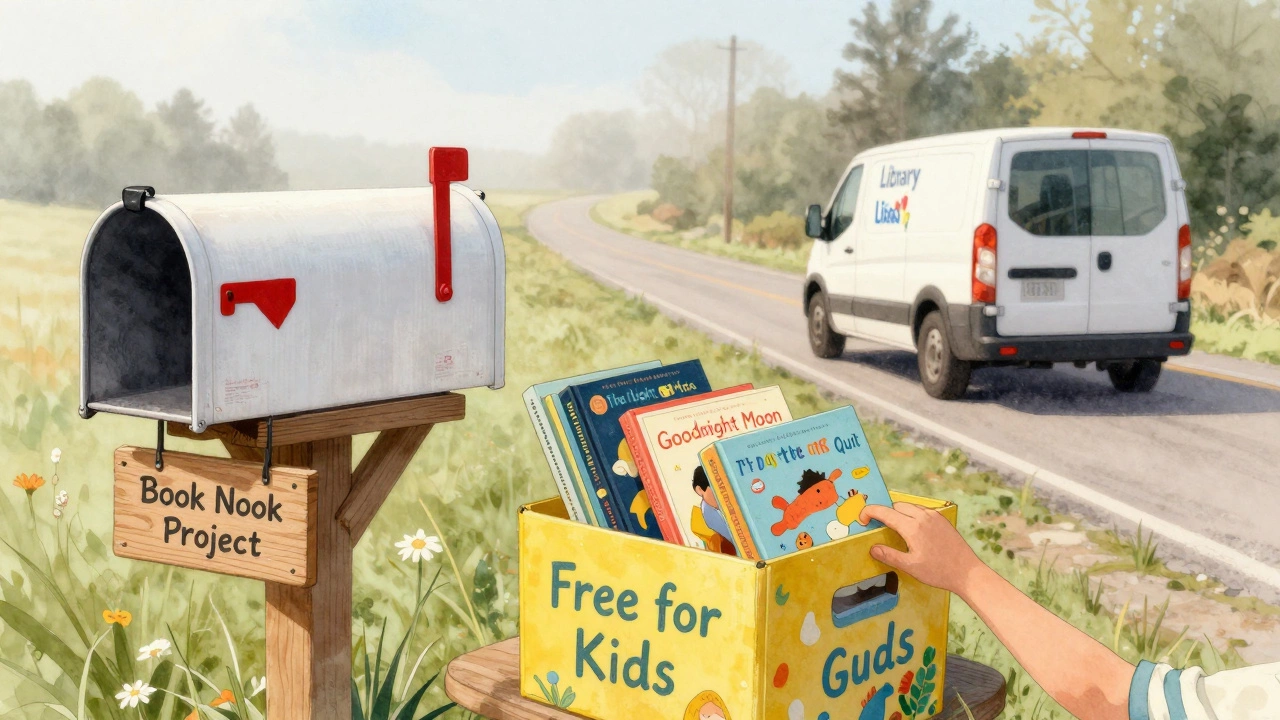
In Vancouver, the Book Nook Project lets parents request a free book box for their child. You fill out a one-page form online, pick a theme (animals, dinosaurs, bedtime stories), and within two weeks, a box with three new books arrives by mail. The books are labeled with your child’s name and come with a note from a local volunteer.
Even if your area doesn’t have this yet, you can start one. All you need is a weatherproof box, a few donated books, and a sign that says “Free for Kids.” Post it near your mailbox or at a community center. Often, local schools or PTAs will help fund the first shipment.
What You’ll Need to Get Started
You don’t need much to get free books mailed to your child:
- Your child’s full name and date of birth
- Your current mailing address (P.O. boxes usually work)
- A valid email (for confirmation and updates)
- Proof of residency (sometimes required for government-linked programs)
Most programs don’t ask for income details unless they’re specifically for low-income families. Even then, many accept self-declaration. You don’t need to prove poverty-just show you want your child to read.
What to Avoid
Not all “free book” offers are real. Watch out for:
- Requests for credit card info to “cover shipping”
- Programs that ask you to pay for a “membership”
- Links that look like official sites but have odd URLs (like .xyz or .info instead of .org or .gov)
Legitimate programs never charge you. Dolly Parton’s Imagination Library, First Book, and public libraries are all free. Always check the official website before giving out personal info.
How Often Do Books Arrive?
It depends on the program:
- Dolly Parton’s Imagination Library: One book per month, starting the next month after enrollment
- First Book: Up to 12 books per year, shipped in batches
- Library book bundles: Monthly or quarterly, depending on the library
- Publisher giveaways: One-time offers, usually lasting a week or two
Once you’re enrolled, you’ll get an email confirmation. Books usually take 4-8 weeks to arrive after sign-up. Don’t panic if they’re late-mailing delays happen, especially in rural areas. If it’s been over two months, reach out to the program directly.
What If My Child Is Older Than Five?
Dolly Parton’s program ends at age five. But other programs don’t. First Book offers books for kids up to age 12. Public libraries often have free book programs for school-age children too. Some even mail chapter books to kids in grades 1-6.
Ask your child’s school if they partner with any literacy nonprofits. Many elementary schools receive bulk book donations and give them to students who need them. Teachers often have extra copies they’re happy to send home.
Why This Matters
Research shows that children who are read to daily before age five are 20% more likely to read at grade level by third grade. Books aren’t just entertainment-they’re building blocks for language, focus, and emotional understanding.
Getting free books mailed to you removes one of the biggest barriers to early literacy: cost. A single new children’s book can cost $15-$20. Multiply that by 12 books a year, and you’re spending $180-$240. That’s money many families don’t have.
These programs exist because people believe every child deserves to own their first book. You’re not asking for charity-you’re claiming a right your child already has: the right to read.