How to Make a Memory Book for Your Grandchildren: A Step-by-Step Guide
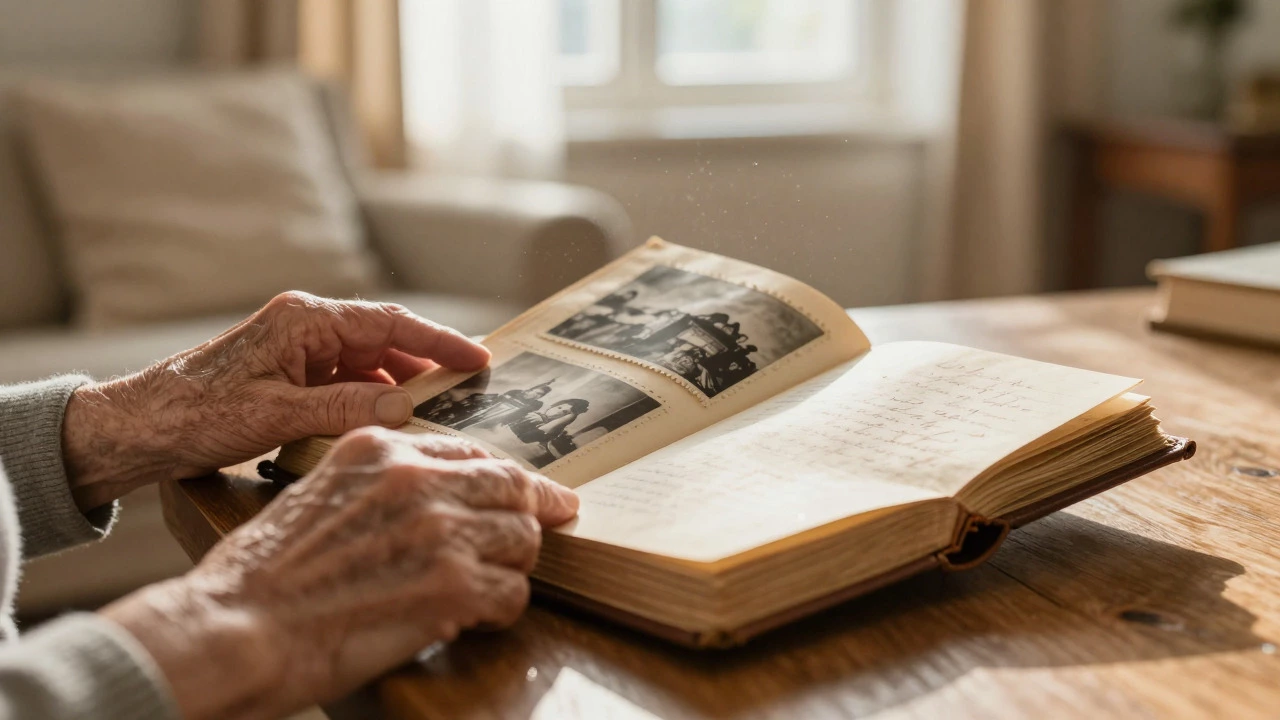
Memory Book Project Planner
Enter your details to see how long this project might take and what supplies you'll need.
There is something magical about handing a child a book that isn't just bought from a store. It’s a book that smells like home, contains stories only you know, and proves they were loved before they could even remember being born. Making a memory book for your grandchildren is one of the most meaningful projects you can undertake. It bridges the gap between generations, turning fleeting moments into tangible treasures.
If you are staring at a blank page or an empty binder wondering where to start, take a deep breath. You don’t need to be a professional designer or a tech wizard. You just need love, some photos, and a willingness to share your heart. This guide will walk you through creating a memory book that your grandkids will treasure long after you’re gone.
Gathering Your Materials: What Do You Actually Need?
Before you write a single word, you need to decide on the format. There are three main paths you can take, and each has its own charm.
| Format Type | Pros | Cons | Best For |
|---|---|---|---|
| Physical Scrapbook | Tactile experience, easy to update, personal touch with handwriting | Bulky, prone to damage if not stored well, requires physical supplies | Grandparents who enjoy crafting and want to add items over time |
| Digital Photo Book | Professional finish, durable hardcover, easy to order online | Less personal "handmade" feel, harder to update once printed | Those who want a high-quality, archival-safe product without glue mess |
| Hybrid Journal | Combines photos with written prompts, encourages interaction | Requires more writing effort, layout can be tricky | Families focused on storytelling and preserving oral histories |
If you choose a physical scrapbook, invest in acid-free paper and photo corners. Regular tape and cheap glue will turn yellow and eat away at your precious photos within ten years. Acid-free materials ensure that the images remain vibrant for decades. If you go digital, services like Shutterfly or Mixbook allow you to upload hundreds of photos and arrange them into a professionally bound book. The key here is consistency. Pick one format and stick with it so the book feels cohesive.
Selecting Photos That Tell a Story
A common mistake people make is filling every page with random snapshots. While cute, this doesn’t create a narrative. Think of your memory book as a biography, not just a photo album. You want to show the progression of their life and your relationship with them.
- The Early Days: Include ultrasound images, hospital bracelets, or their first outfit. These small artifacts carry immense emotional weight.
- Milestones: First steps, first words, birthdays. But don’t stop there. Include photos of them playing in the rain, eating messy food, or looking confused. These candid shots often become favorites because they capture personality, not just poses.
- Family Connections: Show them with parents, siblings, cousins, and pets. Context matters. A photo of a child alone is nice; a photo of a child laughing with their grandfather is priceless.
- Your Own History: Include photos of yourself at their age. Seeing themselves reflected in your past helps children understand their lineage and identity.
When selecting images, look for variety in lighting and setting. Avoid grouping five similar photos together. Instead, spread them out across different chapters or themes. If you have low-resolution scans of old family photos, consider having them professionally restored. Clear images make the book more engaging and easier to read.
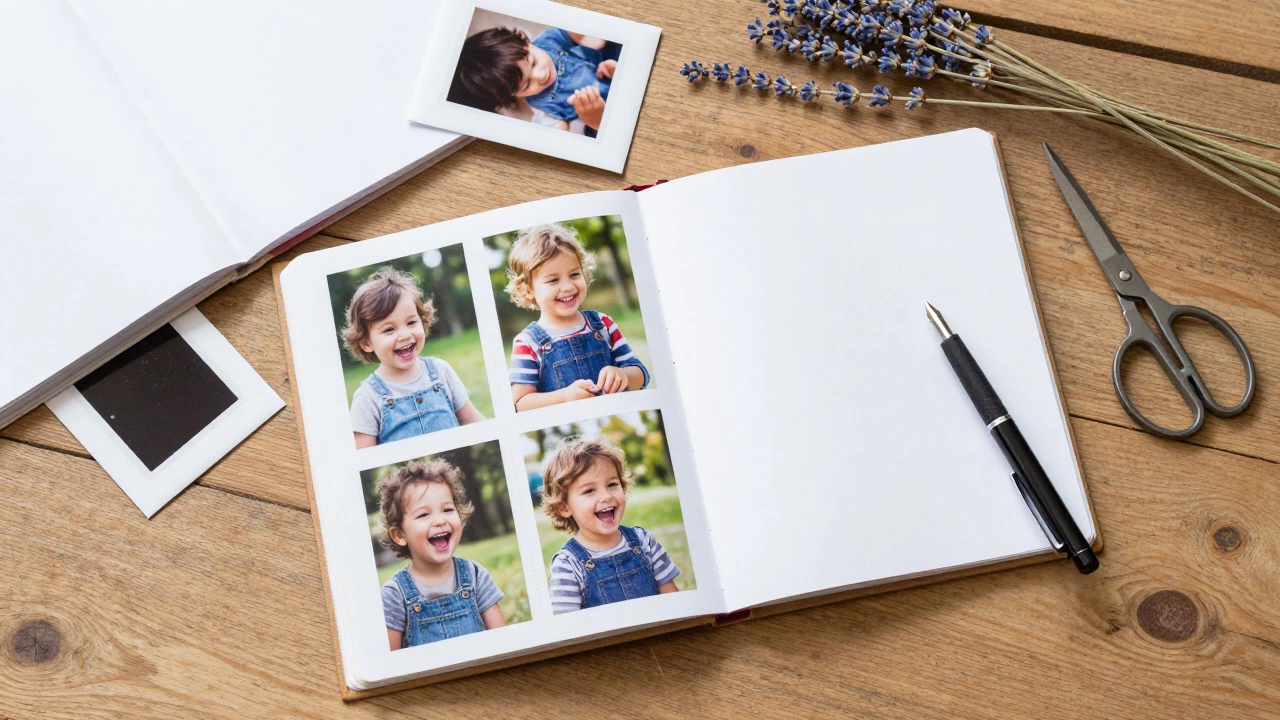
Capturing Stories and Voices
Photos show what happened; words explain why it mattered. This is where your memory book transforms from a pretty object into a legacy tool. You don’t need to write novels. Short, heartfelt notes are often more powerful than lengthy essays.
Try using prompts to get started. For example:
- "The day you were born, I felt..."
- "Your favorite thing to do when you visit us is..."
- "I remember when you said..."
- "One lesson I hope you always remember is..."
If writing feels daunting, try recording audio messages. Many modern memory books include QR codes that link to voice recordings. Imagine your grandchild scanning a code next to a photo of you baking cookies and hearing your actual voice telling the story behind it. This adds a sensory layer that text alone cannot achieve.
Also, encourage other family members to contribute. Ask your partner, your children (the parents), or even the grandchildren themselves to write short notes. A note from a sibling saying, "You stole my toy but then gave me a hug," captures the complexity of family dynamics in a way that formal writing never could.
Structuring the Book for Engagement
How you organize the content affects how often it gets read. Chronological order is safe and logical, but thematic organization can be more engaging for younger readers.
Consider dividing the book into sections like:
- Who Am I?: Birth details, physical traits, early quirks.
- My World:: Home, school, friends, pets.
- Adventures:: Vacations, holidays, special trips.
- Our Bond:: Specific memories shared between you and the grandchild.
- Family Tree:: Visual representation of ancestors and relatives.
For very young grandchildren, keep text minimal and focus on large, clear images. As they grow older, you can add more detailed stories. Leave blank pages at the end of each section. Life moves fast, and you’ll want space to add new memories without rearranging the entire book.

Preserving and Sharing Your Creation
Once your memory book is complete, preservation becomes critical. Store it in a cool, dry place away from direct sunlight. UV rays fade photographs rapidly. If you’ve used a physical scrapbook, consider storing it flat rather than upright to prevent spine damage.
Digital backups are essential. Scan all handwritten pages and photos. Cloud storage ensures that even if the physical book is lost or damaged, the content survives. Share digital copies with other family members. This spreads the joy and ensures multiple people have access to these irreplaceable memories.
Finally, present the book with intention. Don’t just hand it over casually. Sit down with your grandchild, open it together, and read the first few pages aloud. Explain why you made it. Watch their eyes light up as they see themselves through your eyes. That moment of connection is the true value of the project.
Common Pitfalls to Avoid
Even the best-laid plans can go awry. Here are some mistakes to watch out for:
- Overloading Pages: Less is more. Give each photo and story room to breathe.
- Ignoring Privacy: Be mindful of sharing sensitive information. Avoid full addresses, birth certificate numbers, or financial details.
- Perfectionism: Done is better than perfect. A slightly crooked photo with a genuine story is worth more than a flawless layout with no emotion.
- Delaying Too Long: Memories fade. Start now, even if it’s just a few pages. You can always add more later.
Creating a memory book is an act of love. It tells your grandchildren that they matter, that their history is valuable, and that they are part of a larger story. Take your time, enjoy the process, and let your heart guide your hands.
What is the best size for a memory book?
A standard 8x10 inch or 12x12 inch format works well for most families. The 8x10 size is compact and easy to handle for younger children, while the 12x12 size provides ample space for multiple photos and longer stories. Choose based on how much content you plan to include and who will be reading it most often.
How do I protect photos in a scrapbook?
Use acid-free photo corners or archival-safe adhesive strips. Never use regular tape, rubber cement, or glue sticks directly on photos. Store the completed book in a climate-controlled environment to prevent mold and fading. Consider adding silica gel packets to absorb moisture if storing in humid areas.
Can I update a digital memory book later?
Most online photo book services allow you to reorder updated versions easily. Keep your original project file saved locally or in the cloud. When you want to add new photos or stories, simply edit the existing template and place a new order. This makes digital books highly flexible for ongoing updates.
Should I include negative memories in the book?
Generally, keep the tone positive and uplifting. Focus on growth, learning, and love. If including challenging times, frame them as lessons overcome rather than sources of pain. The goal is to create a source of comfort and pride, not anxiety. Let your instinct guide you-if a memory feels too heavy, leave it out.
How often should I update the memory book?
Aim for annual updates, especially during the first few years of life when changes happen rapidly. Mark major milestones like birthdays, graduations, or moves. Consistency helps maintain the flow of the narrative. Even adding one photo per month keeps the book fresh and relevant.