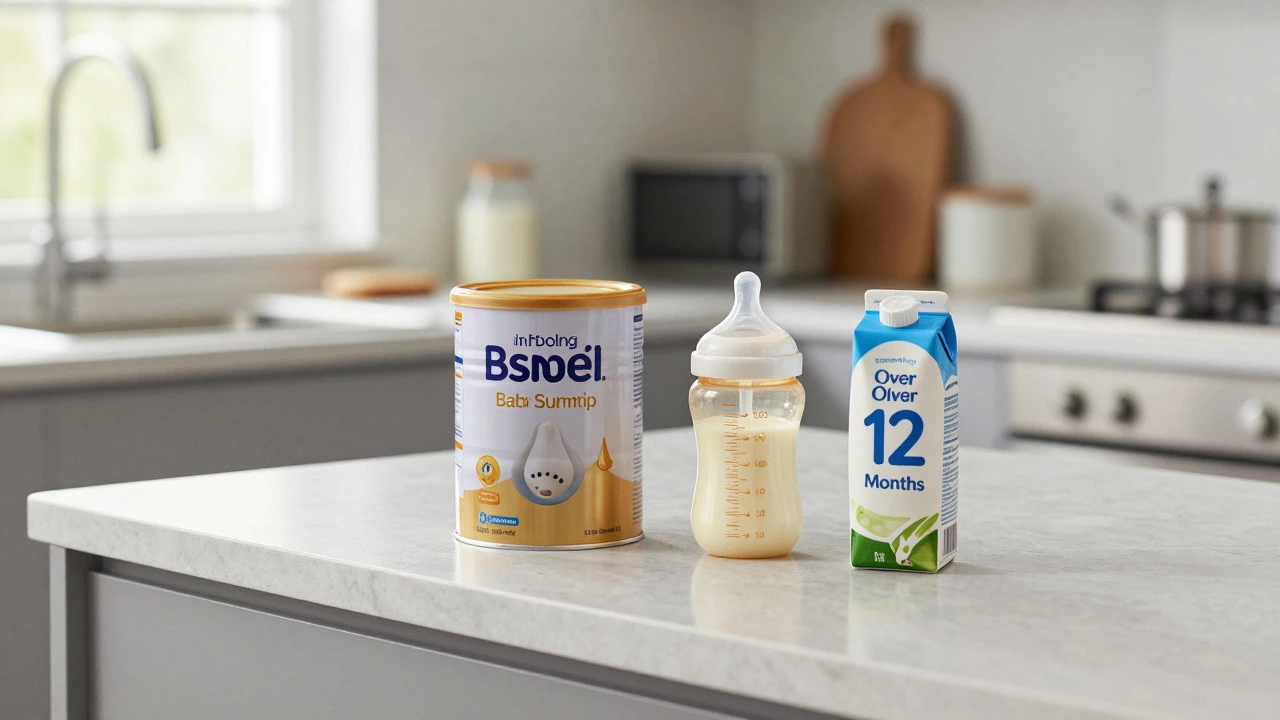
How to Make Baby Formula Safely: Step-by-Step Guide
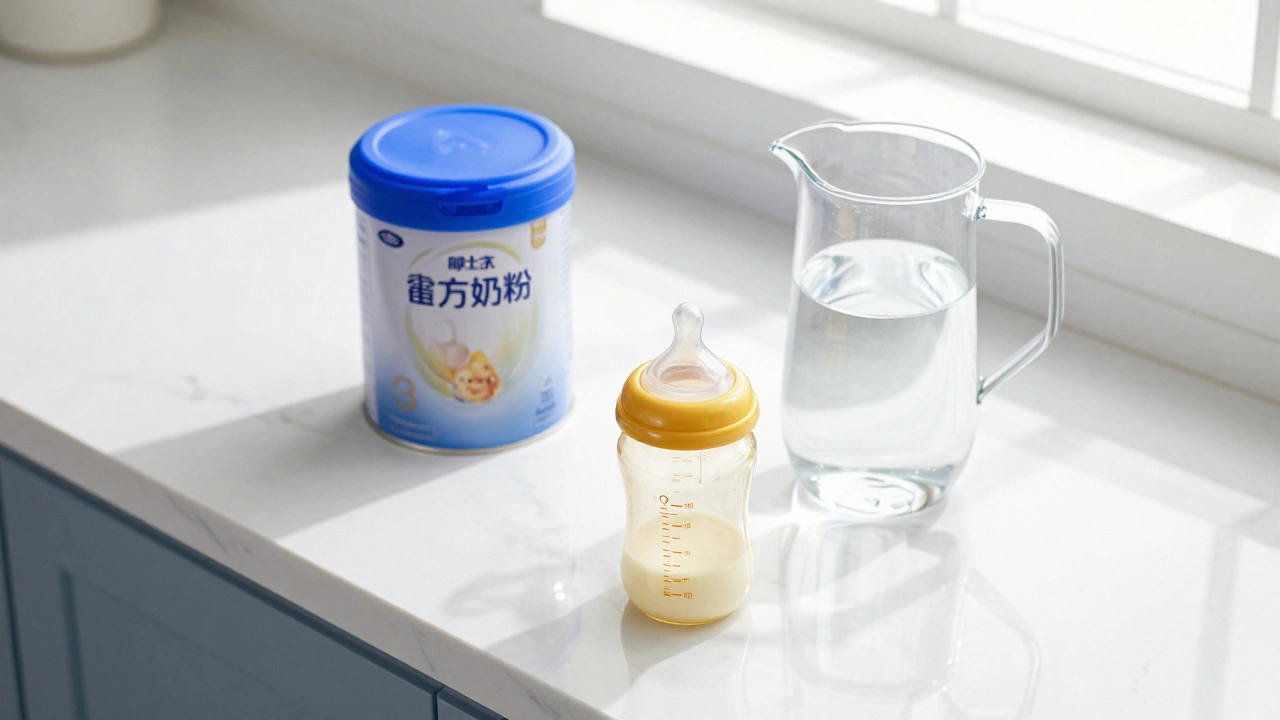
Preparation Guide:
Enter the volume above to see the step-by-step mixing guide.
⚠️ IMPORTANT SAFETY WARNING:
This tool provides general mathematical ratios. Always prioritize the specific instructions on your formula canister. Never add extra powder to make a baby "fuller," as this can strain kidneys. Consult your pediatrician for personalized feeding advice.
Quick Essentials for Formula Prep
- Sterilized bottles and nipples.
- Safe drinking water (filtered or boiled).
- A clean scoop (usually provided in the canister).
- A clean surface or a dedicated bottle-prep station.
Choosing Your Water Source
Before you even touch the powder, you need to talk about the water. In many cities, tap water is fine, but if you live in an area with high mineral content or old pipes, you might want to filter it. Fluoride levels in some municipal waters can be too high for a newborn's developing system.
If you're using tap water, the gold standard is to boil it first. This kills any lingering bacteria. Let it cool down until it's warm, but not boiling, before adding the powder. If you use Distilled Water, be careful. Some pediatricians warn against it because it lacks the minerals (like calcium and magnesium) that babies need, and it can actually dilute the nutrients in the formula.
Step-by-Step Guide to Mixing Powdered Formula
Powdered formula is the most common choice because it's cost-effective and has a long shelf life. However, it's where most mistakes happen. Follow these steps exactly to ensure your baby gets the right balance of nutrition.
- Wash up: Scrub your hands with soap and water. Wipe down your counter. You're dealing with an infant whose immune system is still under construction.
- Pour the water first: This is the most important rule. Always put the water in the bottle before adding the powder. If you put the powder in first, you'll displace the water and end up with a formula that's too concentrated.
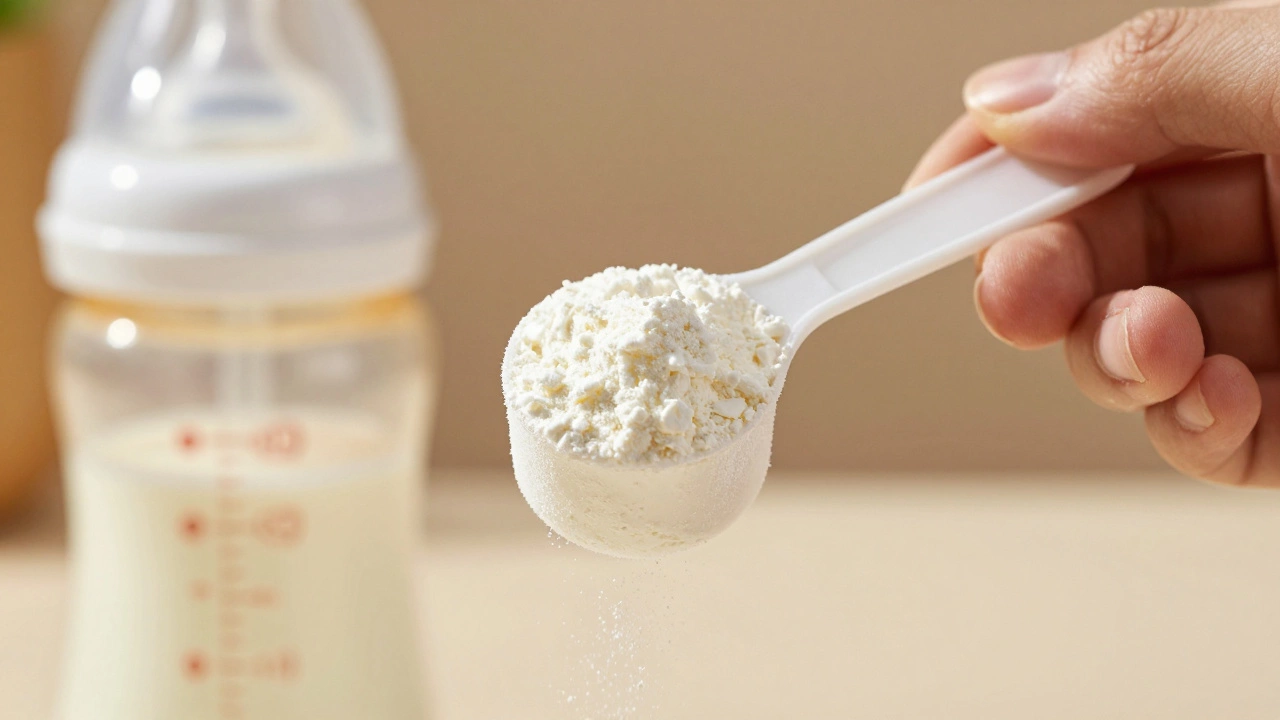
- Check the ratio: Look at the label. Most brands require one level scoop of powder for every 2 ounces of water. Don't pack the powder down into the scoop-just level it off with the built-in flat edge or a clean knife.
- Mix it up: Screw the cap on tight and shake the bottle well. You want to make sure there are no clumps of powder floating around, as these can cause the baby to swallow air or get a weird taste.
- Test the temperature: Shake a few drops onto the inside of your wrist. It should feel lukewarm, not hot. If it's too hot, you risk burning the baby's mouth.
Dealing with Ready-to-Feed and Concentrates
If you're traveling or just overwhelmed, Ready-to-Feed Formula is a lifesaver. It's already mixed and sterilized. You just pour it into the bottle. No measuring, no mixing, and no risk of getting the ratio wrong.
Then there are concentrates. These are liquid but too strong to feed directly. You have to mix them with water, usually in a 1:1 ratio. While cheaper than ready-to-feed, they still require you to have a clean water source and a way to measure accurately.
| Feature | Powdered | Ready-to-Feed | Concentrates |
|---|---|---|---|
| Prep Time | Medium | Instant | Medium |
| Cost | Lowest | Highest | Medium |
| Convenience | Low (requires water) | High | Medium |
| Storage | Canister/Pantry | Shelf-stable/Fridge | Shelf-stable/Fridge |
The Safety Golden Rules
Once the bottle is made, the clock starts ticking. Bacteria love warm milk. If your baby doesn't finish the bottle within one to two hours, throw the rest away. Never save a half-finished bottle for the next feeding; the bacteria from the baby's saliva have already started growing in the liquid.
Avoid using a microwave to warm the formula. Microwaves create "hot spots"-small pockets of liquid that are boiling hot while the rest of the bottle is cold. This can cause severe burns in a baby's throat. Instead, use a bottle warmer or place the bottle in a bowl of warm water.
Common Mistakes and How to Avoid Them
One big mistake is "over-concentrating." This happens when parents add an extra scoop thinking the baby will be fuller or sleep longer. Don't do this. Too much powder can strain a baby's kidneys and lead to severe constipation. On the flip side, adding too much water (under-concentrating) means the baby isn't getting the calories they need to grow.
Another pitfall is neglecting the Sterilization process. While you don't need to boil every single item every single time after the first few weeks, you should still wash bottles in hot, soapy water or a dishwasher. If you're in a high-risk environment or your baby was born prematurely, stick to a strict sterilization routine using a steam sterilizer or boiling water.
Tips for On-the-Go Feeding
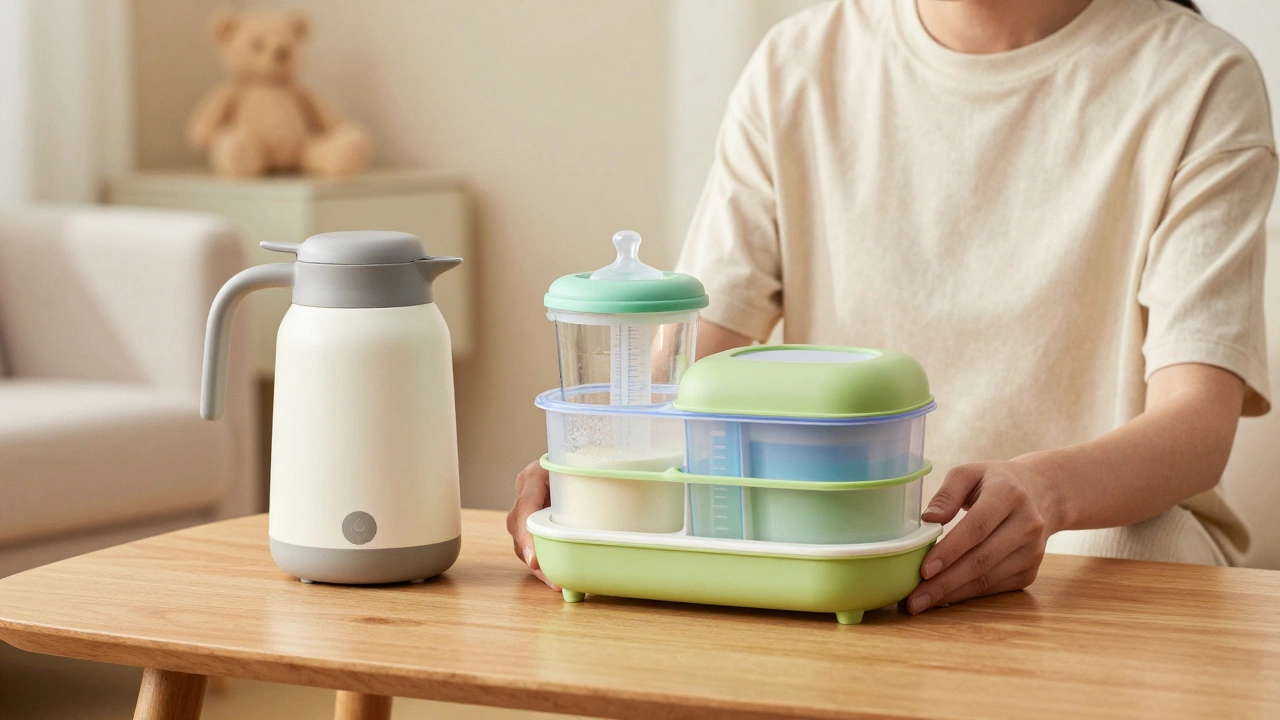
Taking a baby out of the house can feel like moving a small furniture store. To make it easier, use a formula dispenser. These are small, plastic containers with separate compartments where you can pre-measure the powder. When you're at the park or in a car, just add the pre-measured powder to a bottle of warm water. This prevents you from fumbling with a giant canister and a scoop in public.
If you find yourself frequently feeding in public, consider a thermos of warm water. It keeps the water at the right temperature for hours, so you don't have to hunt for a microwave or a kettle in a coffee shop.
Can I use water from a water cooler?
Generally, yes, provided the cooler is well-maintained and the water is filtered. However, it's always safer to boil the water first if you have any concerns about the cleanliness of the cooler's reservoir or the filter's age.
How long does powdered formula last after opening?
Most powdered formulas should be used within 30 days of opening the can. Check the label for a specific expiration date. Keep the container tightly sealed in a cool, dry place-never in the fridge, as moisture can cause the powder to clump and grow bacteria.
What should I do if the formula doesn't dissolve completely?
If you see clumps, shake the bottle more vigorously or use a clean whisk. If it still won't dissolve, check the expiration date of the powder. Old or improperly stored powder can sometimes become hydrophobic and resist mixing.
Is it okay to use a bottle warmer every time?
Yes, bottle warmers are designed for this. Just be sure to shake the bottle after warming to distribute the heat evenly. Avoid overheating, as this can destroy some of the vitamins in the formula.
Can I mix formula in advance and keep it in the fridge?
Yes, you can prepare bottles in advance and store them in the back of the refrigerator (the coldest part) for up to 24 hours. When you're ready to feed, warm the bottle gently in a bowl of warm water.
Next Steps for New Parents
Once you've mastered the mix, keep an eye on how your baby reacts. Some babies have sensitive stomachs and may react to the proteins in standard cow's milk formula. If you notice excessive gas, rashes, or spitting up, talk to your pediatrician about Hypoallergenic Formula or soy-based alternatives.
As your baby grows and starts eating solids around six months, the way you handle formula will change. You'll likely start mixing larger batches or transitioning to toddler formulas. Always consult your doctor before changing the brand or type of formula, as sudden switches can upset a baby's digestion.