Is a 10 Pound Baby Big? Weight Benchmarks and Carrier Fit
Baby Weight & Carrier Fit Checker
Enter your baby's current details to see how their weight compares to WHO/CDC median averages and which carriers are recommended.
Results will appear here after you enter data.
Carrier Guidance Based on Results
You’re holding your little one, maybe for the first time in days, or perhaps you’re just trying to figure out if that new wrap carrier is going to hold. The scale says 10 pounds. Is that normal? Is it big? Will it hurt my back? If you’ve ever stared at a growth chart with a furrowed brow, wondering if your kid is an outlier or right on track, you aren’t alone. Parents obsess over these numbers because they feel like the only hard data we get in a world of guesswork.
Here’s the short answer: A 10-pound baby is generally considered large for a newborn but perfectly average for a baby around two to three months old. But "average" is a tricky word. It hides more than it reveals. What actually matters isn’t just the number on the scale-it’s how that weight interacts with your body, your gear, and your baby’s development stage. Let’s break down what 10 pounds really means, why it matters for your baby carrier, and when you should actually worry versus when you should just enjoy the cuddles.
Where Does 10 Pounds Sit on the Growth Chart?
To understand if 10 pounds is "big," you have to look at age. A 10-pound newborn is different from a 10-pound four-month-old. The World Health Organization (WHO) sets the global standard for infant growth, and pediatricians in the US often use Centers for Disease Control and Prevention (CDC) charts alongside them. Both tell a similar story, but let’s look at the specifics.
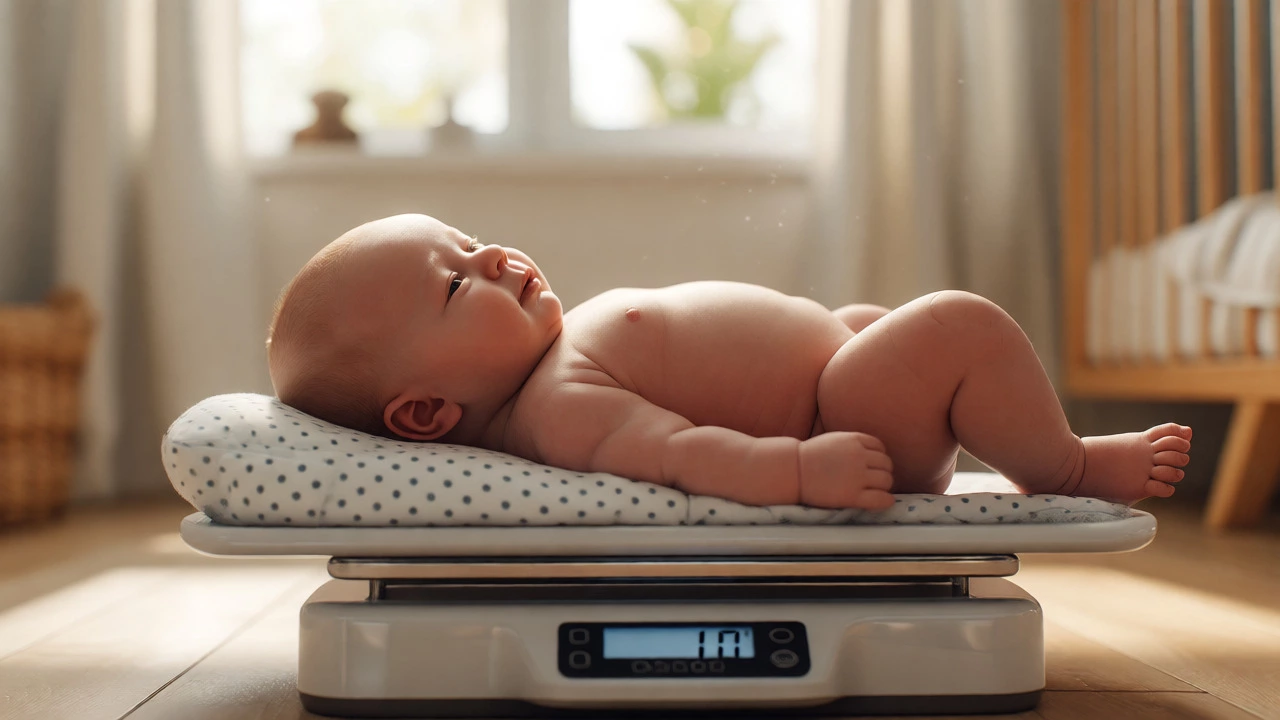
For a newborn (birth to 1 month), the median weight for boys is roughly 7.5 pounds, and for girls, it’s about 7.3 pounds. So, a 10-pound baby at birth is definitely above the 90th percentile. That’s statistically "large." Doctors might call this macrosomia if it’s significantly higher, but 10 pounds is often just a healthy, well-fed baby. However, babies grow fast. By two months, the median weight for boys jumps to about 12 pounds. Wait, did I say 12? Yes. Most babies gain 1 to 2 pounds per month in the early weeks. So, a 10-pound baby at two months is actually slightly below the median. At three months, the median is closer to 14 pounds. So, a 10-pound baby at three months is small.
| Age | Boys (Median) | Girls (Median) | Status of 10 lbs |
|---|---|---|---|
| Birth | 7.5 lbs | 7.3 lbs | Large (>90th %ile) |
| 1 Month | 9.6 lbs | 8.9 lbs | Above Average |
| 2 Months | 12.0 lbs | 11.0 lbs | Slightly Below Average |
| 3 Months | 14.0 lbs | 12.8 lbs | Below Average |
The takeaway? Context is everything. If your baby was born at 6 pounds and hit 10 pounds at six weeks, they are growing beautifully. If they were born at 9 pounds and are still 10 pounds at three months, your pediatrician might want to chat about feeding efficiency. Don’t panic based on a single snapshot; look at the curve.
Why Birth Weight Isn’t the Whole Story
We tend to fixate on birth weight because it’s the first major milestone. But genetics play a huge role here. If both parents are tall and broad-shouldered, a 10-pound baby is less surprising than if both parents are petite. Ethnicity also influences average sizes. Studies show that infants of East Asian descent often weigh less at birth compared to those of Northern European descent. This doesn’t mean one is healthier than the other; it’s just biology.
Then there’s gestational age. Was the baby full-term? A 10-pound baby born at 41 weeks is expected. A 10-pound baby born at 37 weeks is exceptional. Premature babies have their own adjusted growth charts. If your preemie hits 10 pounds, don’t compare them directly to a term-born peer without adjusting for their due date. Your doctor will do this, but it helps you understand why the nurse said, "They’re doing great," even if the raw number looks low compared to the neighbor’s chunky toddler.
Gestational diabetes in the mother is another common factor. High blood sugar during pregnancy can lead to larger babies because the fetus produces extra insulin, which acts as a growth hormone. These babies might be big at birth but then settle into a more average growth curve once they start breastfeeding or formula feeding post-birth. So, a "big" baby at birth isn’t necessarily destined to be a "big" child forever.
The Practical Impact: Choosing the Right Baby Carrier
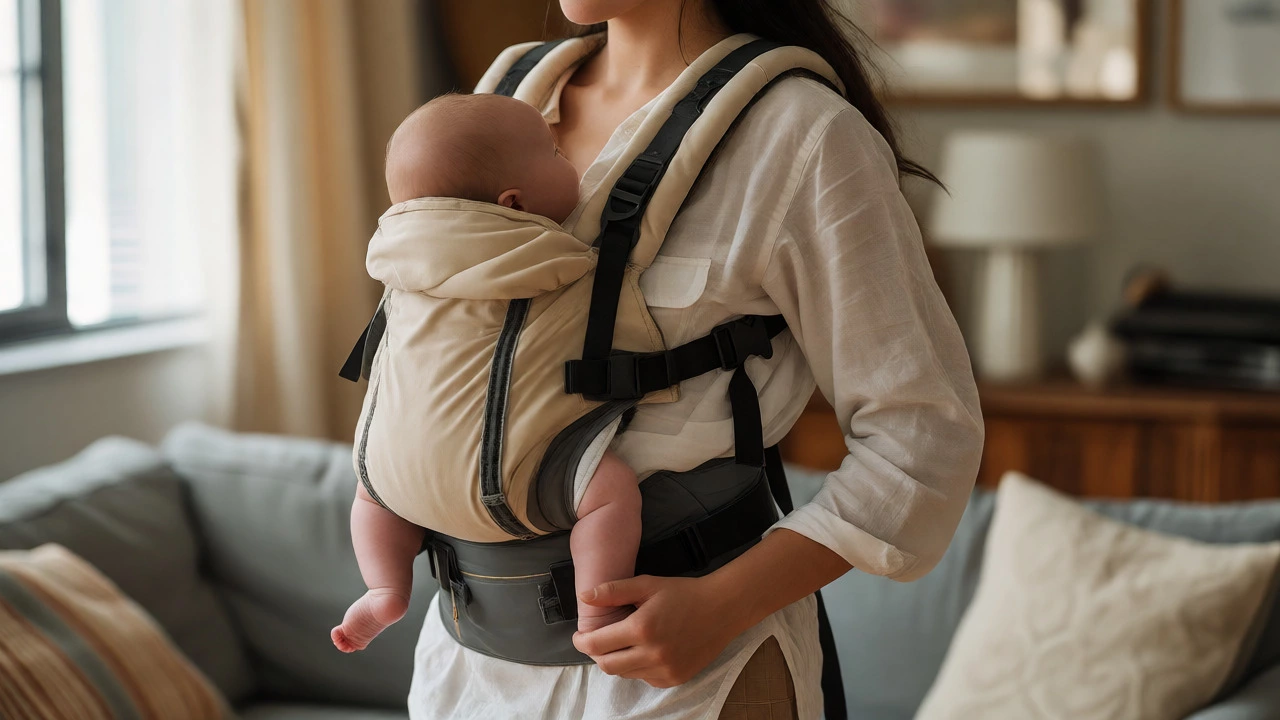
This is where the rubber meets the road. You asked if a 10-pound baby is big, likely because you’re worried about carrying them. And honestly, that’s the most important question. In terms of ergonomics and comfort, 10 pounds is a tipping point. It’s heavy enough that poor support starts to hurt, but light enough that many carriers still work fine.
Let’s talk about types of carriers. Soft structured carriers (SSCs) like Ergobaby or Tula usually have minimum weight limits around 7-8 pounds (with an infant insert) and go up to 45 pounds. A 10-pound baby fits comfortably in most SSCs. The key is the seat width. A 10-pound baby has thicker thighs. If the carrier panel is too narrow, it cuts off circulation or forces the legs into an unnatural position. Look for adjustable panels that widen as the baby grows.
Wraps are trickier. Ring slings are great for smaller babies, but once you hit 10 pounds, the fabric can bunch up, making it hard to distribute weight evenly across your shoulder. One-shoulder carries become tiring quickly. If you love wraps, consider a woven wrap rather than a stretchy one. Stretchy wraps lose tension under heavier loads, leading to sagging. Woven wraps maintain structure better, supporting that extra bulk around the hips and bottom.
Meh Dais (Mei Tai) are a middle ground. They offer good support for 10-pound babies because the long straps allow you to customize the lift. However, tying them correctly takes practice. If you’re a beginner, a buckle-based SSC is safer and faster. Remember, safety trumps style. A poorly tied wrap with a 10-pound baby can result in positional asphyxia if the chin drops to the chest. Always check that you can kiss the top of their head easily.
When Should You Actually Worry?
Pediatricians rarely worry about a baby being "too big" unless it affects health markers. They worry about rapid weight gain crossing two major percentile lines downward or upward unexpectedly. For example, if a baby drops from the 90th percentile to the 50th percentile in a few weeks, that’s a flag for potential feeding issues. Conversely, staying consistently high on the chart is usually fine if the baby is active and meeting milestones.
Watch for these signs:
- Feeding difficulties: Is the baby struggling to latch or getting tired after a few minutes? Large tongues or tongue-ties can make eating hard, affecting weight gain.
- Lethargy: A healthy, growing baby is alert. If they’re sleepy all the time, even when awake, mention it.
- Wet diapers: Six or more wet diapers a day indicates adequate hydration and intake. Fewer than that suggests they aren’t getting enough milk, regardless of weight.
Don’t stress about comparisons. Your baby isn’t competing with the internet. They’re competing with themselves. Are they following their own curve? That’s the gold standard.

How to Make Carrying a 10-Pound Baby Easier
If you’re carrying a 10-pound baby daily, your body will thank you for proper technique. Here’s a quick checklist to save your back and shoulders:
- Tighten everything: Loose fabric equals sagging equals pain. Cinch the waist belt tightly around your natural waistline (not hips) and pull the shoulder straps until the baby feels like part of you.
- Hip carry is your friend: Once your baby has good head control (usually around 4 months, but some strong 10-pounders manage earlier), hip carries shift the weight to your strongest muscles-your core and legs. Use a ring sling or a dedicated hip seat for this.
- Switch sides: Never carry on the same shoulder for more than 20 minutes. Alternate left and right to prevent muscle imbalance.
- Check the M-position: Knees should be higher than the bottom. This supports the hips and reduces strain on the baby’s developing joints, which indirectly makes them easier to carry because they’re comfortable and not wiggling.
Also, consider your own strength. Postpartum bodies are healing. Start with short carries (15-20 minutes) and build up. Use a stroller for longer outings. There’s no badge of honor for carrying a 10-pound baby for three hours straight while ignoring back spasms.
Frequently Asked Questions
Is a 10-pound baby considered overweight?
Not necessarily. For a newborn, 10 pounds is large but often healthy. For a 2-3 month old, it is average or slightly below average. Pediatricians look at the growth curve over time, not just a single weight measurement, to determine if a baby is gaining weight appropriately.
Can I use a stretchy wrap for a 10-pound baby?
Yes, but with caution. Stretchy wraps can lose tension under heavier weights, causing the baby to sag. Ensure the wrap is very tight and monitor for loose fabric. Many parents switch to woven wraps or soft structured carriers once the baby exceeds 10-12 pounds for better support.
Does a big baby mean a difficult delivery?
A 10-pound baby may increase the risk of complications during vaginal delivery, such as shoulder dystocia, but many women deliver 10-pound babies naturally without issues. Factors like maternal pelvic shape, labor progression, and baby's position matter more than weight alone.
How much weight should a baby gain per week?
In the first few months, babies typically gain about 5 to 7 ounces (140-200 grams) per week. After 3-4 months, this slows to about 4-5 ounces per week. Consistent weekly gains are a better indicator of health than absolute weight.
What is the best carrier for a 10-pound newborn?
Soft structured carriers with infant inserts or woven wraps are ideal. They provide ergonomic support for the spine and hips. Avoid rigid backpack-style carriers until the baby can sit up unassisted, usually around 6 months.